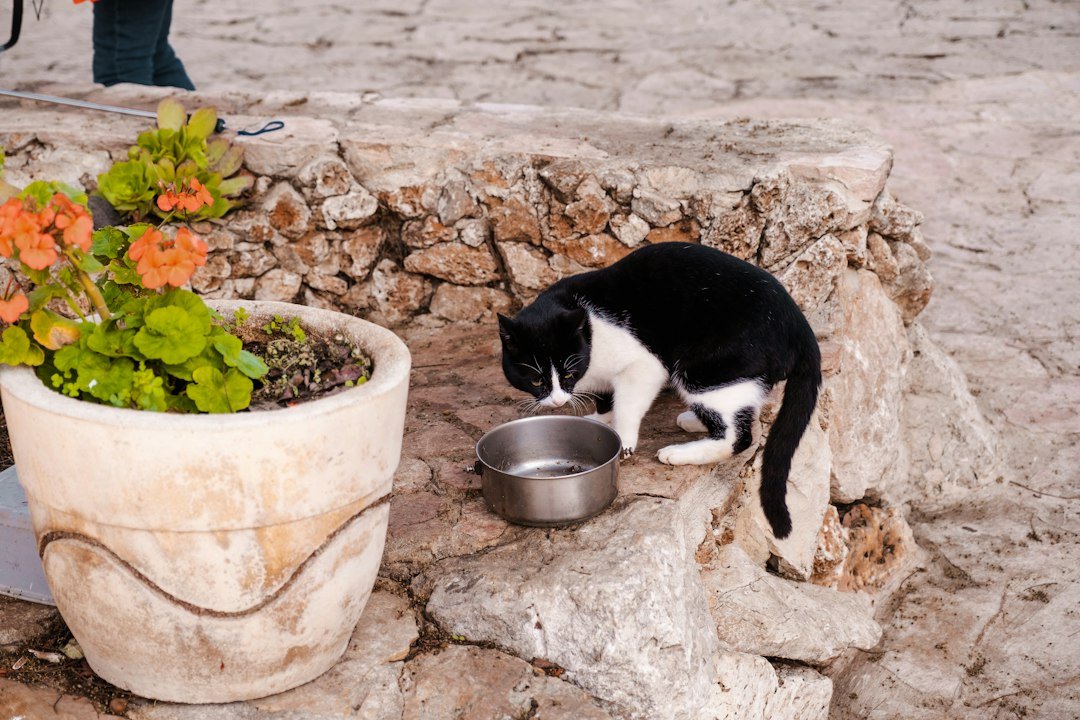
If your cat has diarrhea after new food, you already know how stressful it is to watch your pet suffer through litter box troubles. The good news: this happens to most cats during diet transitions, and it’s completely preventable. Switch your cat’s food too quickly, and their digestive system rebels. The solution isn’t buying a different product or giving up on the new diet—it’s mastering how to switch diets safely using a gradual transition that lets their gut adapt.
Why Cat Diarrhea After New Food Happens
Your cat’s digestive system is incredibly sensitive to change. When you introduce a new food abruptly, their gut bacteria haven’t had time to adjust to the different proteins, fats, and fiber content. Most people don’t realize that cat diarrhea after new food isn’t actually a sign the food is bad—it’s a sign the transition was too fast. Cats have shorter digestive tracts than humans, and their beneficial bacteria need time to recognize and process new ingredients.
I’ve lived with cats for years, and I’ve seen the pattern repeat endlessly: owner switches food overnight, cat develops loose stools within 24 hours, owner assumes the new food caused an allergy, owner switches back. What actually happened? The transition period was missing.
| Transition Speed | Risk Level | Typical Result |
|---|---|---|
| Overnight switch | Very High | Diarrhea within 24 hours, vomiting possible |
| 3–5 day transition | High | Diarrhea may still occur, soft stools likely |
| 7–10 day transition | Low | Minor digestive adjustment, usually manageable |
| 2-week transition | Very Low | Digestive system adapts smoothly |
Your cat’s age, current health status, and the ingredient difference between old and new food all affect how severe cat diarrhea after new food will be. Kittens and senior cats tend to react more strongly to rapid changes than healthy adults.
The Safe Diet Transition Checklist
Before you start switching your cat’s food, use this checklist to make sure you’re set up for success.
- Verify your veterinarian has cleared the new food as appropriate for your cat’s age, weight, and health status
- Have both the old and new food on hand before beginning the transition
- Check the feeding guidelines on both packages to know your target daily portion
- Monitor your cat’s litter box activity for the full transition period plus 3 days after
- Write down the transition dates and any digestive changes you notice
- Know your vet’s direct contact information in case diarrhea becomes severe
How to Switch Diets Safely: The 10-Day Method
Here’s the exact step-by-step process that prevents cat diarrhea after new food and gives your cat’s gut time to adapt.
- Condition: Your cat is currently eating food A, and you want to introduce food B. The goal is to transition without digestive upset.
- Audience: This method works for healthy adult cats. Kittens under 12 months, senior cats over 10 years, and cats with existing digestive issues should follow a slower 14-day transition instead.
- Method: Mix increasing amounts of new food with the old food over 10 days, allowing beneficial bacteria to gradually adjust.
- Steps: Days 1-2: Mix 75 percent old food with 25 percent new food at each meal. Days 3-4: Mix 50 percent old food with 50 percent new food. Days 5-6: Mix 25 percent old food with 75 percent new food. Days 7-8: Feed 90 percent new food with 10 percent old food. Days 9-10: Feed 100 percent new food.
- Warnings: If you see cat diarrhea after new food appears during days 1-4, extend each phase by an additional 2-3 days. Never rush forward if stools are loose. If diarrhea persists beyond day 10 or becomes severe with vomiting, contact your veterinarian immediately.
This is the part that actually matters: consistency. Feed at the same times each day during the transition. Irregular meal timing plus dietary change stresses your cat’s system even more.
What to Do If Cat Diarrhea After New Food Still Occurs
You’re following the transition method perfectly, and your cat still has loose stools. Don’t panic. Here’s what to check first.
First, confirm your cat is actually having diarrhea and not just softer stools—minor softness is normal during transition. True diarrhea means liquid consistency or urgency that sends your cat running to the box multiple times per hour. If you’re seeing that, pause the transition and hold your cat at the current mixture ratio for 3-4 more days before advancing. Most cats adapt once given extra time.
Second, examine the ingredient difference. You’d think feeding two premium foods with similar ingredients would prevent cat diarrhea after new food—it usually doesn’t. Some cats react to the specific protein source, fiber content, or fat level even when both foods are high quality. If the new food uses fish-based protein and your cat’s old food was poultry-based, the transition can take longer.
Third, rule out other causes. Is your cat stressed? Moving houses, new pets, or environmental changes can trigger digestive upset independent of food. Has your cat eaten anything unusual? Grass, houseplants, or human food during the transition period can complicate diarrhea diagnosis.
Contact your vet if diarrhea lasts more than 3 days after completing the full transition, if stools contain blood or mucus, or if your cat shows lethargy, loss of appetite, or vomiting alongside the diarrhea.
My Picks for This
- Royal Canin Digestive Care helps sensitive digestive systems during diet transitions and after cat diarrhea after new food episodes have resolved.
- Hill’s Science Diet Sensitive Stomach & Skin features highly digestible ingredients that work well for cats with recurring digestive sensitivity.
- Purina Pro Plan Sensitive Skin & Stomach combines easy-to-digest proteins with added probiotics to support gut bacteria during food changes.
- Wellness CORE Grain-Free Indoor offers single-protein formulas that minimize ingredient variables if your cat has food sensitivities triggering cat diarrhea after new food.
- Probiotic powder supplements from trusted brands can be sprinkled on food to accelerate beneficial bacteria colonization during the transition period.
Frequently Asked Questions (FAQ)
Q1. How long should the transition take if my cat has a sensitive stomach?
If your cat has a history of digestive issues, use a 14-day transition instead of 10 days. Move through each phase more slowly—spend 3-4 days at each ratio rather than 2. This gives their system extra time to adjust and reduces the risk of cat diarrhea after new food becoming severe.
Q2. Can I use pumpkin or probiotics to prevent diarrhea during the transition?
Plain pumpkin puree can help firm stools but won’t prevent cat diarrhea after new food if the transition is too fast. Probiotics designed for cats may help, but check with your vet first—the wrong strain can make things worse. Use them as support tools, not replacements for a proper transition schedule.
Q3. What if my cat refuses to eat the mixture?
Some cats are picky about mixed food. Try warming the food slightly to release more aroma, or mix in a tiny amount of water or low-sodium broth to make it more appealing. If your cat still refuses, extend the transition period and use smaller percentages of new food—go from 25 percent to 30 percent instead of jumping to 50 percent.
Q4. Is cat diarrhea after new food a sign of food allergies?
Not necessarily. True food allergies show up as itching, skin issues, or vomiting—not just diarrhea during transition. Most cats experiencing loose stools during a diet change have temporary digestive adjustment, not allergies. If diarrhea persists after a full 2-week transition, then consider allergies and discuss testing options with your vet.
Q5. Can I go back to the old food if the diarrhea is too severe?
Yes, but do it gradually. If cat diarrhea after new food becomes severe (liquid consistency, multiple episodes per hour, or blood in stool), return to the old food using the same gradual method over 5-7 days. Once your cat’s digestion normalizes, discuss alternative food options with your vet—there may be a better match than the current choice.
Q6. How do I know if my cat’s diarrhea is an emergency?
Contact your vet immediately if your cat shows lethargy, won’t eat for more than 6 hours, has bloody or black stools, vomits repeatedly, or shows signs of dehydration like dry gums. Cat diarrhea after new food is manageable at home unless accompanied by these warning signs.
This post is for informational and general educational purposes only. It does not constitute professional veterinary advice, medical diagnosis, nutritional guidance, or behavioral therapy. Always consult a licensed veterinarian before making decisions about your cat’s health, diet, medication, or treatment — especially if your cat is showing signs of illness, distress, or behavioral changes. Product recommendations on this site are based on general research and owner experience; individual results may vary depending on your cat’s breed, age, weight, and health condition. Prices, product availability, formulations, and specifications are subject to change without notice — always verify current details directly with the manufacturer or retailer before purchasing. Feeding guidelines, portion sizes, and nutritional information referenced in this post are general estimates only and should not replace personalized advice from your veterinarian or a certified feline nutritionist. If your cat is pregnant, nursing, underweight, overweight, or managing a chronic condition, seek professional guidance before changing their diet or care routine. This site may contain affiliate links — if you purchase through our links, we may earn a small commission at no extra cost to you. We only reference products we believe may be genuinely useful, but we encourage you to do your own research before buying.