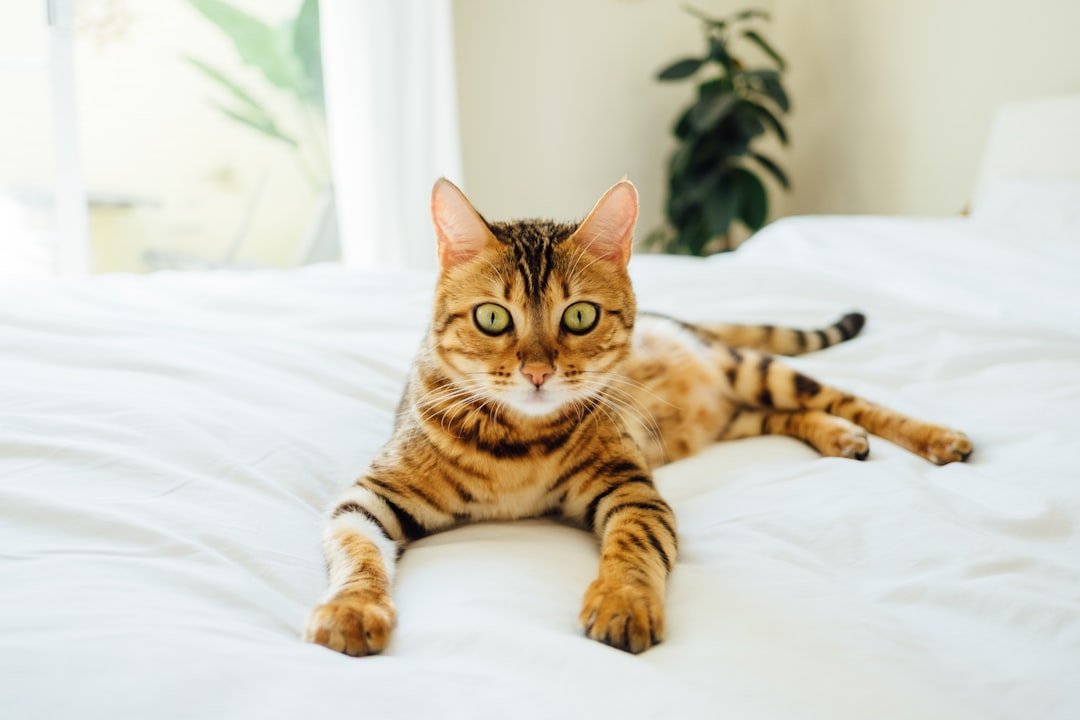
Measure your cat while they are asleep before you buy anything. The best cat bed for senior cats needs an interior large enough for their relaxed body, not just their curled-up shape. For many households, finding the best cat bed for senior cats comes down to a low entrance, supportive cushion, and a spot that stays pleasantly warm without becoming hard to reach.
Senior cats often keep their old sleep preferences. A cat who has always chosen the back of the sofa may still want height, while another may start avoiding a favorite chair because the jump feels awkward. Watch where your cat settles now, how they get there, and whether they stretch out or curl tightly. Those details are more useful than a package photo.
What the best cat bed for senior cats should have
Start with access. A bed with a very low front edge lets a cat walk in instead of stepping over a tall bolster. This matters when a cat seems stiff after resting, has reduced balance, or simply dislikes lifting their legs high. Look for a front lip around one to three inches high, depending on your cat’s size and mobility. A completely flat mattress can also work well if your cat does not need enclosing sides.
Then consider support. Thin polyester stuffing feels soft in the shop, but it can flatten quickly under a cat’s hips and shoulders. A denser foam base usually holds its shape better. Orthopedic beds often use memory foam, firmer support foam, or layered foam. The useful question is not whether the label says “orthopedic.” Check the stated foam thickness, whether the cushion is removable, and whether buyers repeatedly mention the base flattening after a few weeks.
A bed does not need to feel rigid to be supportive. Many older cats prefer a gently cushioned surface that lets them sink in a little while keeping their body fairly level. Very soft, deep-fill beds can be cozy for a lightweight cat, but a heavier cat may struggle to reposition in them. A raised rim can give a head-resting place, though the opening should still be easy to enter.
Size matters more than many product listings suggest. Measure your cat from nose to base of tail while they are lying naturally, then add a few inches. If your cat sleeps fully stretched, choose a rectangular mattress or an oval bed with a generous interior. If they curl into a tight circle and enjoy enclosed edges, a round bolster bed may suit them. The listed outer diameter can be misleading because thick bolsters reduce usable sleeping space.
Orthopedic and comfort options
Orthopedic-style beds are usually the most practical starting point for an older cat who spends long periods resting. A flat foam mattress, sometimes called a pet sofa or orthopedic lounger, gives even support and is easy to step onto. This style is especially useful beside a familiar sleeping area, near a low window, or on the floor next to the bed where your cat already likes to be.
Bolster beds add padded sides around part or all of the sleeping surface. They suit cats that lean against an edge or rest their chin on a rim. Choose one with a lowered front rather than a high wall all the way around. High-sided donut beds can feel secure and warm, but they are a poor match for a cat who hesitates at barriers or needs to stretch their legs straight out.
Self-warming beds use reflective layers to return some body heat. They can be helpful in a cool room and do not need a plug. The trade-off is a crinkly sound in some designs. Before committing, put a small piece of crinkly packaging near your cat’s current bed and see whether they ignore it or avoid it.
Electric heated beds and heating pads are another option, particularly for cats that seek radiators or sunny patches. Choose a product made for pets, with a chew-resistant cord, controlled low heat, and clear manufacturer safety instructions. Never use a human heating pad under a cat bed unless its manufacturer specifically says it is suitable for that purpose. Check it regularly for damage, keep the cord out of reach, and provide an unheated area so your cat can move away if they want to.
Cave beds and covered beds can retain warmth, but they are not automatically ideal for older cats. The opening may be too small, the roof may collapse, and a cat who wants to monitor the room may refuse it. An open-front hooded bed gives some cover without requiring a tight turn inside.
Materials that make daily care easier
Choose a removable, washable cover whenever possible. Older cats may shed more, track litter, or have occasional accidents. A cover with a proper zipper is usually easier to clean than a bed that must be washed as one bulky piece. Confirm whether the cover is machine washable and whether the foam insert should be hand cleaned only. Drying directions matter because high heat can damage foam or shrink fabric.
Fleece and plush fabrics feel inviting, yet they can collect fur and may hold onto litter. A tightly woven outer fabric is often easier to vacuum, while a soft removable topper can provide the cozy feel. Waterproof liners can protect foam from moisture, but some make noise or trap warmth. If a liner is included, check whether it sits under the cover instead of directly against your cat.
Non-slip bottoms are useful on tile, wood, and laminate. A bed that slides as a cat steps into it can be frustrating. If you find a bed your cat loves but the base moves, place it on a low-pile rug or a non-slip mat made for household use. Keep the surface flat so the bed does not wobble.
Match the bed to where your cat already sleeps
Placement can make a decent bed far more successful. Put the first new bed close to an existing favorite nap spot. A quiet corner, a bedroom floor, or a place with a view of the room often works better than a completely new location. Avoid cold drafts and busy routes where people repeatedly step over the bed.
If your cat likes sleeping up high, do not assume a floor bed will replace that preference. Consider a stable low platform, a wide windowsill setup with safe access, or a bed placed on furniture your cat can reach without a difficult leap. The bed itself should not shift, tip, or hang over an edge.
Do not wash a new bed immediately after opening if it already smells neutral and clean. Letting it air out first is usually enough. Place a familiar blanket or a small piece of bedding that already carries your home’s scent on top. Avoid scented sprays and strong laundry products, which can put some cats off.
Realistic trade-offs before you buy
The thickest foam bed is not always the best purchase. It may be too tall for a cat that needs easy access, and a dense insert can make washing awkward. A low-profile foam mattress may offer better daily use even if it looks less luxurious.
Likewise, a deeply padded bolster can be warm and attractive but may leave too little flat space for a cat that changes positions often. A large bed gives room to stretch, yet it may not fit the small sheltered nook your cat prefers. There is no universal winner.
Prices vary by region and material. Basic washable cushions are usually less expensive, while thick foam beds, heated models, and beds with replacement covers tend to cost more. Compare the usable inner dimensions, washing instructions, foam details, and return policy instead of relying on the word “premium.” Retail photos often show a very small cat in a bed, which can make the product look roomier than it is.
If possible, keep the packaging until your cat has tried the bed for a few days. Some retailers accept returns only when tags and original packaging are intact, but policies change, so verify the current terms before ordering. A retailer with a fair return window can be more valuable than a slight saving on a bed your cat will not use.
When a bed is not the whole answer
A comfortable bed can make resting easier, but it cannot explain a sudden change in mobility, appetite, grooming, litter box habits, or sleep behavior. If your cat suddenly stops jumping, cries when handled, hides more than usual, or seems unable to get comfortable, contact a veterinarian. In the meantime, give them easy access to water, food, litter, and a soft sleeping area without requiring jumps or stairs.
Frequently asked questions
Is memory foam safe for senior cats?
A pet bed with enclosed memory foam is generally a common choice for support. The main safety issue is damage: replace or remove the bed if your cat tears it open and can reach the foam. Choose a cover that fits securely and inspect it during routine cleaning.
Should an older cat bed have raised sides?
Raised sides can be comfortable for cats that like to lean or rest their head on an edge. A lowered entrance is the key detail. If your cat has trouble stepping over the side, choose a partial bolster or a flat mattress instead.
How thick should an orthopedic cat bed be?
There is no single correct thickness because cat size and preferred sleeping style differ. A foam base around two to four inches is often enough for a typical adult cat, provided it stays supportive and the bed remains easy to enter. Larger cats may benefit from more substantial foam.
Do senior cats need a heated bed?
Not necessarily. Many are perfectly happy with a warm room, a soft fleece layer, and a draft-free location. A pet-safe heated bed may appeal to cats that actively seek warmth, but it should be one option among several resting places.
What if my cat ignores the new bed?
Move it beside the place they already choose, add familiar bedding, and leave it available without forcing the issue. Some cats accept a new texture quickly, while others need time. If the bed remains untouched, reassess its location, entrance height, and surface feel before assuming your cat dislikes beds altogether.
Related posts
This post is for general informational purposes only and is not veterinary advice. Every cat is different — if you have concerns about your cat’s health or behavior, please consult a qualified veterinarian.