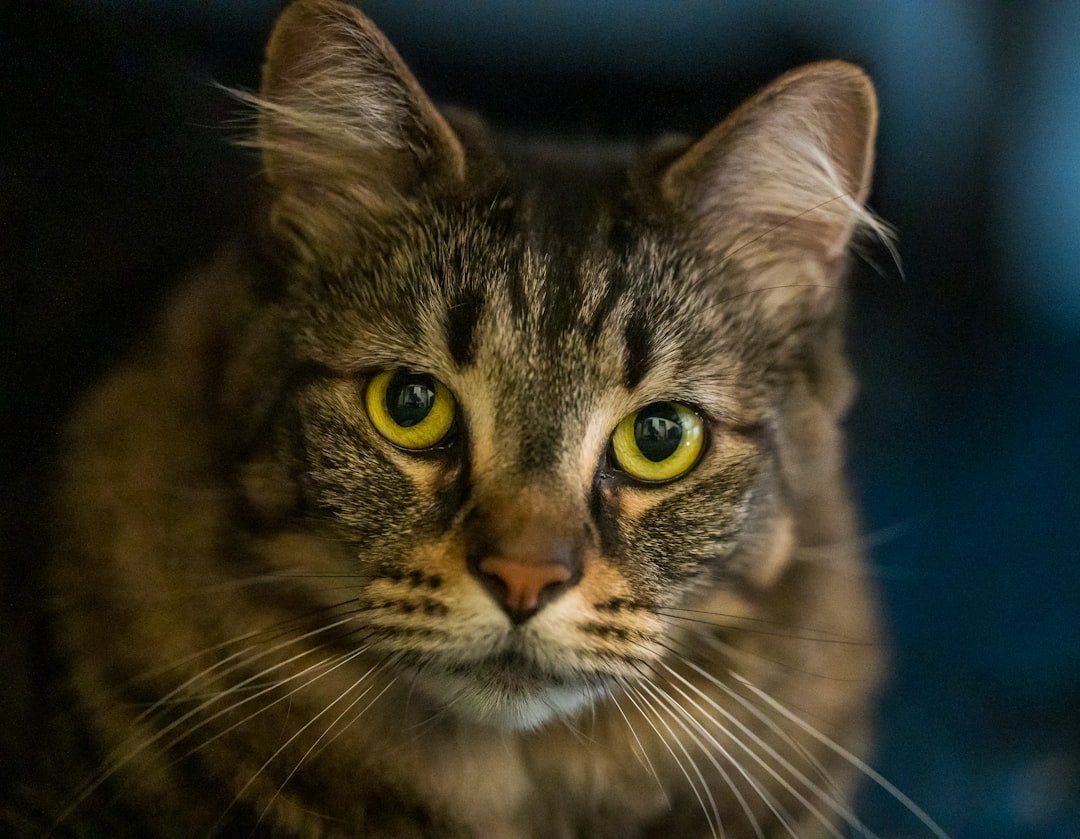
Your cat wakes up with a crusty eye, a damp tear track, or a little squint. The best cat eye infection treatment at home starts with gentle cleaning, keeping the eye area comfortable, and knowing when home care is no longer enough. The best cat eye infection treatment at home is not a homemade cure. Eye problems can look alike, and a veterinarian may need to check for an injury, a blocked tear duct, an ulcer, or an infection that needs medication.
Best cat eye infection treatment at home starts with safe cleaning
If your cat is otherwise acting normal and has only a small amount of clear or light-colored discharge, you can gently clean around the eye while you monitor closely. Wash your hands first. Use a clean, soft cotton pad, gauze square, or lint-free cloth dampened with warm water. Hold it against dried debris for a few seconds, then wipe from the inner corner of the eye outward.
Use a fresh pad for each wipe. If both eyes need cleaning, use separate pads so you do not move discharge from one eye to the other. Do not scrub the eyelid or press on the eyeball. Most cats dislike having their face handled, so keep the session brief and stop if your cat becomes frightened or struggles hard.
Plain sterile saline made for eye rinsing can also be reasonable for gently flushing away minor debris, provided it has no added medication, redness reliever, preservative, or contact-lens cleaning ingredients. Check the label carefully. Plain warm water on the surrounding fur is often all you need for crusting.
What natural remedies can and cannot do
Natural remedies are often suggested for cat eye trouble, but this is one area where simple is safer. A warm water compress may loosen crusts and soothe the skin around a mildly watery eye. Hold a clean, warm, damp cloth over the closed eyelid for a few seconds if your cat tolerates it. The cloth should feel comfortably warm on your wrist, never hot.
That is the limit of useful home “natural” care for most situations. Tea, herbal rinses, honey, essential oils, coconut oil, apple cider vinegar, and diluted saltwater are not good choices for a cat’s eye. They can sting, leave residue, trigger irritation, or introduce contaminants. Human eye drops are also a poor choice unless a veterinarian specifically tells you to use a named product and dose.
Do not use leftover antibiotic drops or ointment from a previous pet or person. The wrong medication can delay proper care, and some eye medicines are unsafe when the surface of the eye is damaged. Never force an eyelid open to inspect it.
Signs that mean you should call a vet
Call your veterinarian the same day if the eye is red, swollen, held partly or fully shut, painful-looking, cloudy, or producing yellow, green, thick white, or bloody discharge. A cat that keeps squinting, paws at the face, avoids light, or has a visible third eyelid may be uncomfortable and needs an examination. Cats can hide pain well, so a change in the way they use an eye deserves attention.
Seek urgent veterinary care if there is a puncture, a known fight injury, a chemical splash, a foreign object that will not rinse away, sudden vision trouble, marked swelling, or a change in the eye’s shape or color. Do not try to remove an embedded object. Keep your cat indoors and prevent rubbing with a cone if you already have one that fits safely.
Kittens, senior cats, and cats with ongoing health problems deserve a lower threshold for a call. Eye discharge alongside sneezing, poor appetite, feverish behavior, lethargy, or breathing changes can be part of a wider illness. Those signs are not something to manage with eye wiping alone.
| What you see | Reasonable first step | When to contact a vet |
|---|---|---|
| Small amount of clear tearing or light crust | Gently clean the fur around the eye and monitor closely | If it lasts beyond a day, returns often, or worsens |
| Yellow, green, thick, or bloody discharge | Clean only the surrounding discharge | Same day |
| Squinting, rubbing, redness, swelling, or cloudiness | Prevent rubbing and keep your cat indoors | Same day, or urgently if severe |
| Injury, chemical exposure, visible object, or sudden eye change | Do not poke or medicate the eye | Urgently |
How to make the vet visit easier
Before you call, note when the problem started, whether one or both eyes are involved, the discharge color, and any changes in appetite, energy, sneezing, or litter box habits. A clear photo taken in good light can show changes over time, though it cannot replace an eye exam. If your cat has been outside, fought with another animal, or had access to cleaners or sprays, mention that too.
Keep your cat indoors until the cause is clear. This reduces exposure to dust, pollen, plant material, and potential injury. It also makes it easier to watch the eye and give any medication a veterinarian prescribes. Wash bedding if there is discharge on it, and wash your hands after cleaning your cat’s face.
Protect other cats in the home
Some causes of eye discharge can spread between cats, especially when discharge occurs with sneezing or nasal drainage. You cannot tell the cause by appearance alone, but sensible hygiene helps. Give the affected cat separate food bowls, water bowls, and bedding where practical. Do not share cleaning cloths. Wash hands between handling cats, particularly after wiping the affected eye.
A veterinarian can advise whether separation is needed and for how long. Avoid assuming every watery eye is contagious. Allergens, irritants, minor debris, facial structure, and tear drainage issues can also contribute, and each needs a different approach.
What recovery monitoring looks like
With minor irritation, you would expect your cat to look more comfortable rather than increasingly squinty or withdrawn. The eye should not become redder, more swollen, or produce thicker discharge. If you are cleaning the eye repeatedly through the day, or the problem improves and then comes back, call the vet rather than extending home care.
Once medication is prescribed, follow the instructions exactly and finish it as directed unless the clinic tells you otherwise. Do not stop because the eye looks better after a day or two. If your cat will not tolerate medication, call the clinic for handling advice instead of risking a scratch or stressing your cat further.
Home care is useful for keeping discharge from matting the fur and for spotting changes early. It is not a substitute for an exam when pain, color changes, thick discharge, or persistent symptoms are present. Eyes are delicate, and prompt care can make a real difference in comfort.
Related posts
This post is for general informational purposes only and is not veterinary advice. Every cat is different — if you have concerns about your cat’s health or behavior, please consult a qualified veterinarian.