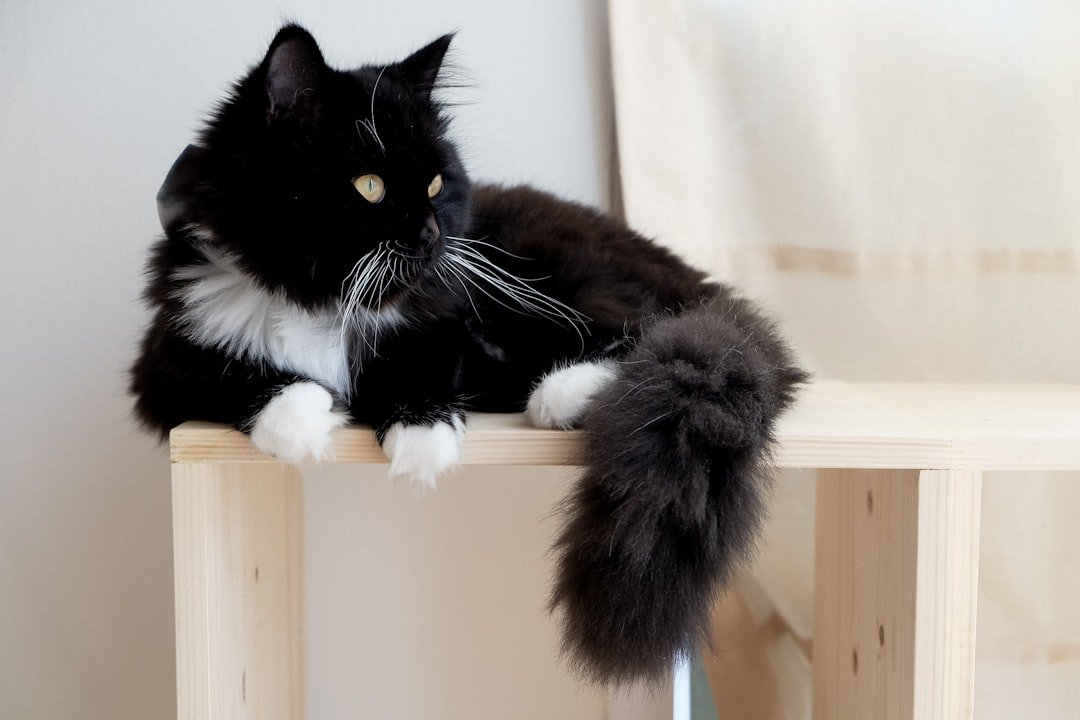
For most homes, a tall cat tree is the better choice because it gives a cat climbing height, a resting spot, and a scratching area without drilling into the wall. Tall cat tree vs wall mounted cat shelves usually comes down to whether you need a simple movable setup or you have a very tight room where every inch of floor space matters.
Choose a tall cat tree for the common situation: you rent, you may rearrange furniture, you have one or two cats, or you want a straightforward place for your cat to climb and nap. Choose wall-mounted shelves when floor space is genuinely scarce, you can attach hardware to suitable wall framing, and you are prepared to plan the route carefully.
Tall cat tree vs wall mounted cat shelves for space saving
Both options use vertical space, which many cats enjoy. The big difference is where they place their weight. A tall tree uses a footprint on the floor. Wall shelves leave the floor open but use wall area and need clear landing zones around them.
A cat tree often takes up roughly the floor area of a small side table, depending on its base. That sounds like a drawback until you consider what it replaces. One good tree can combine a scratcher, perch, bed, hiding cubby, and climbing structure. If your cat already has a scratch post, a window perch, and a bed scattered around a room, a tree may actually make the room feel less cluttered.
Wall shelves can free that floor footprint completely. They are especially useful in a narrow studio, a small office, or a living room where a tree would block a walkway. Yet the usable wall space is not simply any empty patch of wall. Your cat needs enough room to jump up, turn around, and get down without being forced into an awkward leap near a doorway, tall cabinet, or lamp.
For many households, the tree wins because it is easier to fit into the life you already have. Put it near a window, beside a sofa, or in the room where people spend time. Your cat gets a higher place to watch the household without you having to redesign the wall.
Why a tall cat tree suits most homes
A tall cat tree is usually the lower-effort, lower-commitment purchase. It arrives as a self-contained piece of furniture. Assembly still matters, especially with a heavy tree, but you do not need to find studs, choose anchors, measure a climbing route, or patch holes when you move.
That flexibility matters more than it first appears. Cats can be surprisingly particular about location. A tree that seems perfect in the corner may get ignored if the room is too quiet, the view is poor, or another pet keeps passing below it. With a freestanding tree, you can move it near a window or closer to the family room and see whether your cat uses it more.
Most tall trees also give cats an easy vertical path. A lower platform leads to a middle level, then to a top perch. Older cats or cats that are less confident jumping may find this gentler than a wall setup with wide gaps. The exact layout still matters. Some very tall trees have platforms placed too far apart for smaller cats, so inspect the step-up route rather than judging only by overall height.
A stable tree also makes sharing easier. In a two-cat home, one cat can sit on a middle platform while another uses the top perch. This does not guarantee peace between cats, but separate resting levels can reduce pressure around a favorite high spot. A tree with only one tiny top bed may not offer much value for a household with several cats.
The scratching surface is another practical advantage. Many trees wrap posts in sisal or include scratch pads. A shelf system often needs a separate scratcher nearby, because shelves alone do not meet that normal scratching need. If your goal is fewer cat items around the room, that bundled function is meaningful.
When wall mounted cat shelves are the better option
Wall-mounted shelves win when a cat tree would make a small room difficult to use. In a compact apartment, a clear floor can matter more than having a movable structure. Shelves can create a route above a desk, along a long blank wall, or around a room where furniture already occupies the corners.
They can also work well for a cat that likes to observe from above but has little interest in enclosed cubbies or carpeted platforms. A simple shelf near a window may become a favorite lookout spot. A longer route gives an active climber more opportunity to move around than one tall tree in one location.
The main condition is secure installation. Cat shelves should be attached according to the manufacturer’s instructions and matched to the wall type. A shelf that feels solid when you press on it can still shift under the force of a jumping cat. Drywall alone may not provide enough support for every product, especially for a larger cat or a shelf that extends far from the wall. Check the product’s stated weight limit, fastening requirements, and whether the supplied hardware is suitable for your wall.
Good shelf placement is also more complicated than installing several shelves at random heights. Your cat needs a route that makes sense. Start with a lower access point, then keep jumps manageable for your particular cat. Include a broad resting platform rather than making every surface a narrow step. Leave a clear exit route so a cat does not feel trapped on a high shelf when another cat approaches.
Wall systems are less forgiving after installation. Moving one shelf can leave holes and may require repainting. That can be inconvenient for renters, and some leases restrict wall mounting altogether. Check your tenancy agreement or ask the property owner before making changes. If drilling is not permitted, a tall cat tree is the simpler answer.
Safety and stability matter more than height
Whether you choose a tree or shelves, the safest option is the one that stays stable during normal cat behavior. Cats do not climb gently every time. They launch, chase, skid around corners, and jump down quickly when startled.
For a tall cat tree, look for a broad, heavy base and posts that do not wobble when the structure is assembled. A tall narrow tree can be suitable for a lightweight cat, but it may feel unsteady for a large, athletic cat. Some trees include a wall strap for added security. Use it if the maker recommends it, particularly in homes with children or pets that may bump the tree.
Check the perches as well. A small top basket may look cozy, but a larger cat needs room to lie down without hanging over the edge. Fabric hammocks should have secure stitching and firm attachment points. Replace worn rope, loose fabric, or damaged platforms before they become a fall risk.
For shelves, width matters. A narrow shelf may be fine as a brief step for a nimble cat, yet it is not a comfortable lounge area for every cat. Look for a non-slip surface, a depth that suits your cat’s body, and edges that do not create snag points. Avoid placing shelves directly over fragile items, hot appliances, or busy doorways.
Do not assume that higher is automatically better. A cat may love a high perch, but the route up and down needs to be safe. This is especially relevant for kittens, very large cats, and cats whose jumping ability has changed. A lower tree with closely spaced platforms may be more useful than a dramatic wall route that your cat avoids.
Cost, cleaning, and long-term upkeep
A basic cat tree is often less expensive upfront than building a well-fitted wall system, though prices vary by region and materials. Shelves may look inexpensive one at a time, but the total can rise once you add multiple platforms, brackets, mounting hardware, padded beds, and a safe entry point. Installation tools may add to the cost if you do not already have them.
Cat trees have their own upkeep. Carpeted models collect fur and can hold onto dust. Vacuuming the platforms regularly helps. Removable cushions are easier to wash, and replaceable scratching posts can extend the useful life of a tree. Light-colored fabric can show dirt quickly in a multi-cat home.
Wall shelves are often easier to wipe down, especially wood or laminated surfaces. Pads and fabric covers still need washing. Their harder-to-see issue is hardware inspection. Check brackets, screws, and the shelf surface now and then. A loose fitting should be dealt with promptly rather than waiting for your cat to stop using the shelf.
A tree can also be replaced in one purchase when it becomes worn out. With a wall setup, you may need to replace individual pads, shelves, or brackets over time. That is not necessarily a disadvantage, but it is a more hands-on arrangement.
How to choose the right cat tree
If you choose the tree, prioritize stability before appearance. Measure the space where it will sit, including room for your cat to jump onto the first level. Check the height against nearby furniture. A tree placed beside a bookcase or cabinet should not create an unsafe gap where your cat might try to squeeze or leap.
Pick a model with at least one perch large enough for your cat’s usual sleeping position. If your cat stretches out, a shallow round cup may be less appealing than a broad platform. If your cat likes privacy, a cubby can help, but do not buy a cubby-only tree for a cat that prefers open views.
Consider the surface too. Sisal rope is common for scratching posts, while carpeted platforms are often comfortable for lounging. Some cats prefer cardboard or flat scratching surfaces, so keep your cat’s existing habits in mind. The best tree is one that matches what your cat already chooses to do.
Place it where it has a purpose. A sunny window is often a strong choice. A spot near the family can work for social cats. Avoid putting it beside a loud speaker, next to a constantly opening door, or in a place where another pet can block access.
How to plan a useful wall shelf route
If shelves are the better fit for your home, plan the whole route before drilling. Mark proposed shelf positions with painter’s tape and stand back. Think about how your cat will reach the first shelf, where they can pause, and where they can come down.
Give the route a clear destination. This might be a large window perch, a padded lounge shelf, or a secure top platform. A sequence of tiny steps with no comfortable place to rest may not get much use. Cats often want height because it gives them a calm place to watch what is happening below.
Keep the path away from hazards. Do not create a route to curtain rods, open upper cabinets, unstable display pieces, or kitchen counters where food preparation happens. If a shelf would lead your cat toward a trouble spot, change the layout before installation.
For a multi-cat home, avoid a single narrow route that ends in a dead end. One cat may block another from passing. A branch, a broad platform, or more than one way down can make the arrangement easier to use. Watch how your cats interact around existing high places before committing to a permanent design.
FAQ
Do cats prefer cat trees or wall shelves?
Preferences vary. Many cats readily use a tall tree because it is easy to access and often includes soft perches and scratch posts. Cats that love climbing, window watching, or moving around above floor level may enjoy a well-planned shelf route. Existing habits offer the best clue: notice whether your cat chooses furniture tops, window ledges, enclosed beds, or scratch posts.
Are wall mounted cat shelves safe for large cats?
They can be safe when the shelves, brackets, and mounting method are rated for the cat’s weight and installed correctly for the wall construction. Large cats need deeper platforms, sturdy hardware, and sensible gaps between shelves. Verify the manufacturer’s instructions rather than relying on appearance alone.
What size cat tree is best for an apartment?
A medium or tall tree with a stable base is often a practical apartment choice. Measure the available corner or window area first, then choose a tree that leaves a clear path around it. A narrower model is useful only if it remains stable enough for your cat’s size and activity level.
Can I use a cat tree and wall shelves together?
Yes, if the room and budget allow it. A tree can act as an easy starting point for a shelf route, provided the jump between them is reasonable and the layout does not direct your cat toward unsafe areas. For most people, start with the tree and add shelves later only if you still need more vertical territory.
Should a cat tree be placed by a window?
A window location often works well because many cats enjoy watching outdoor activity. Make sure the window is secure, cords are out of reach, and the tree does not block a heater or create access to an unsafe open window. If your cat ignores the tree there, try another room before deciding the tree itself is the problem.
The practical recommendation is simple: buy a tall cat tree first unless a floor footprint would seriously interfere with daily life. It is easier to install, easier to move, and usually gives more cat functions in one piece. Invest in wall-mounted shelves when you have limited floor space, a suitable wall, permission to drill, and the patience to create a secure route your cat can actually use.
Related posts
This post is for general informational purposes only and is not veterinary advice. Every cat is different — if you have concerns about your cat’s health or behavior, please consult a qualified veterinarian.