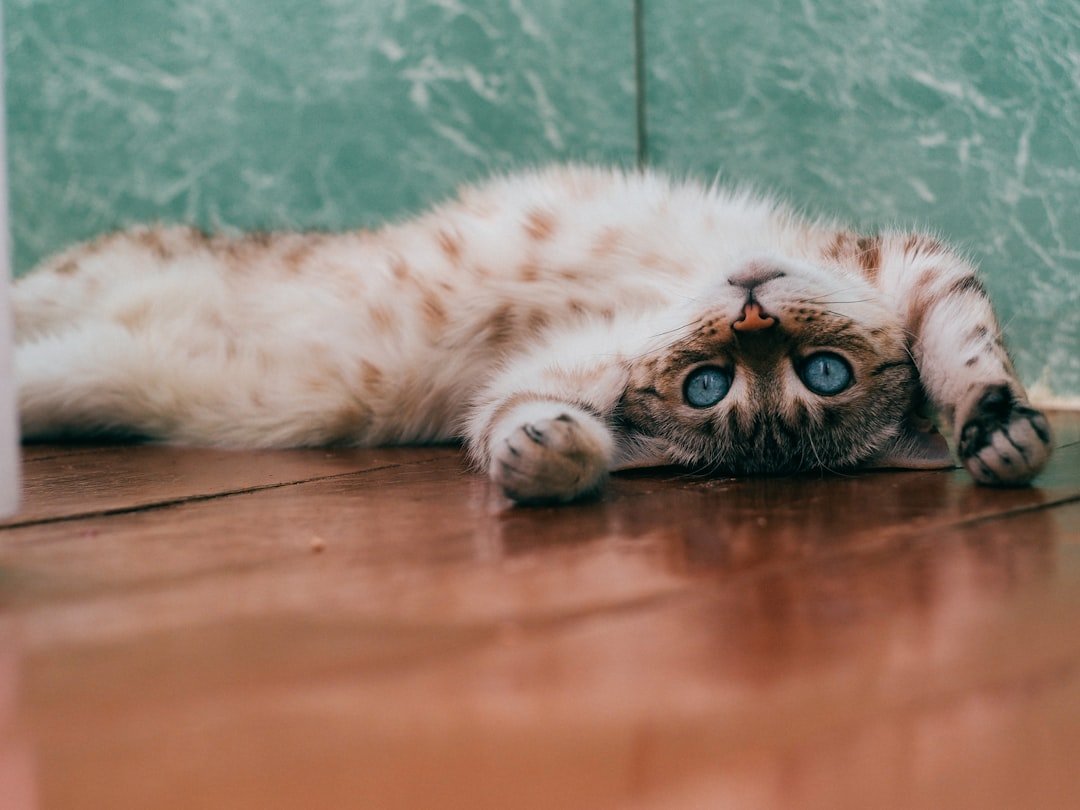
To tell if your cat is in pain, look for a change from their normal routine rather than waiting for obvious crying or limping. In many cases, the answer comes down to noticing subtle changes: less jumping, altered grooming, hiding, appetite changes, or a different reaction when touched.
Cats are skilled at masking discomfort. In nature, appearing weak can make an animal vulnerable, and many pet cats keep that instinct. A cat may still eat, purr, or greet you while feeling unwell. Purring can mean contentment, but some cats also purr when stressed or uncomfortable, so it is not a reliable sign that everything is fine.
How to tell if your cat is in pain through daily changes
The most useful question is simple: what is different for this particular cat? A lively cat who suddenly sleeps under the bed all day deserves attention. So does a reserved cat who becomes unusually clingy, irritable, or restless.
For example, a cat that once leapt onto a windowsill without pause may begin using a chair as a step or waiting for help instead.
Watch the pattern over a day or two when the change is mild and your cat otherwise seems stable. A single skipped jump may mean nothing. Repeated hesitation before the sofa, avoiding stairs, or taking a longer route around furniture can suggest that movement has become uncomfortable.
Some signs are easy to miss because they look like aging or a personality shift. Older cats may become less active, but a gradual reduction in jumping, playing, or using a favorite perch should not automatically be dismissed as old age. Cats can have treatable reasons for reduced mobility or behavior changes.
| Change you may notice | What it can look like at home | What to record |
|---|---|---|
| Movement | Hesitating before jumps, stiff walking, using lower surfaces, avoiding stairs | When it began, which movements are hard, and whether it is getting worse |
| Grooming | Messy coat, mats, greasy fur, or overgrooming one small area | The body area involved and any redness, swelling, or hair loss |
| Eating and drinking | Chewing slowly, dropping food, eating less, or avoiding the bowl | Food offered, approximate amount eaten, and changes in drinking |
| Litter box habits | Accidents, straining, frequent trips, crying in the box, or avoiding a high-sided box | Urine clumps, stool changes, frequency, and any straining |
| Social behavior | Hiding, guarding a spot, less tolerance of handling, or sudden aggression | What happened just before the reaction and where you touched your cat |
| Posture and face | Crouching, tucked paws, tense body, squinting, flattened ears, or a fixed stare | Photos or short videos taken without disturbing your cat |
Subtle signs to watch for
Grooming changes can be particularly telling. A cat with discomfort in the back, hips, or mouth may stop cleaning certain areas well. You might see dandruff along the lower back, a dull coat, or mats near the rear end. On the other hand, repeated licking or chewing at one spot can point to irritation or discomfort there. Do not assume the cause based on grooming alone.
Changes around food can also be quiet. A painful mouth may make dry food harder to eat, but cats may still approach the bowl because they are hungry. Look for food falling from the mouth, chewing on one side, walking away after a few bites, or preferring softer food when that is unusual for them. A reduced appetite has many possible causes, and cats should not go without food for long.
The litter box gives useful clues because it involves movement, digestion, and urination. A cat may avoid a box with tall sides if getting in hurts. They may eliminate beside it because they associate the box with discomfort. Straining, vocalizing, repeated unproductive visits, or a sudden change in urine or stool should be treated seriously.
For instance, finding your cat visiting the box several times in an hour but producing only tiny clumps is more concerning than one isolated accident.
Pay attention to touch and handling. A normally affectionate cat may flinch, turn to look at a body part, tense up, growl, swat, or move away when picked up. Do not keep pressing the area to test it. A cat in pain can bite even if they have never done so before.
Facial expression and posture sometimes change too. A comfortable cat usually rests with a loose body and soft eyes. A cat that is uncomfortable may sit hunched, keep the head low, hold the abdomen tightly, squint, or place the ears out to the sides. These signs can also occur with fear or stress, so use them alongside changes in eating, movement, and routine.
Track patterns without stressing your cat
Keep a short note on your phone with the date, time, behavior, and anything that happened beforehand. Record whether your cat ate, drank, used the litter box, played, climbed, and rested normally. A brief video of an altered walk, trouble jumping, or strange breathing can be more useful to a veterinarian than a description alone.
Try to observe quietly. Do not repeatedly make your cat jump, manipulate a sore-looking leg, force the mouth open, or chase them out of hiding. Set up a calm space with food, water, a low-entry litter box, and a comfortable place to rest while you arrange advice.
It also helps to think about timing. Did the behavior begin after a fall, a fight, a move, a new pet, or a change in household routine? Stress can alter appetite, hiding, and litter box habits, yet stress and physical discomfort can happen together. The timeline gives the veterinarian context without deciding the cause for them.
When to contact a veterinarian urgently
Call a veterinarian promptly if your cat has a sudden or marked behavior change, refuses food, seems painful when moving, or has repeated vomiting or diarrhea. Same-day advice is sensible when a change lasts beyond a day, even if your cat is still eating some food.
Seek urgent veterinary care for trouble breathing, open-mouth breathing, collapse, severe weakness, pale or bluish gums, a swollen or painful abdomen, major injury, or suspected toxin exposure. Repeated straining to urinate, especially with little or no urine produced, is an emergency. Male cats are at particular risk of a urinary blockage, which can become life-threatening quickly.
A cat who cannot use a leg, cries out repeatedly, has uncontrolled bleeding, or seems unable to get comfortable also needs prompt assessment. If you are unsure how urgent a sign is, call a veterinary clinic and describe exactly what you are seeing. They can advise based on your cat’s history and current symptoms.
What not to give at home
Do not give human pain medicines unless a veterinarian has specifically prescribed that medicine and dose for your cat. Common household medicines can be dangerous to cats, including acetaminophen, ibuprofen, naproxen, and many cold or flu products. Do not use leftover medication from another pet either.
A veterinarian can examine your cat, discuss the changes you have noticed, and decide whether testing or treatment is needed. Your observations matter because you know what normal looks like in your home. Early attention to subtle changes can make it easier to get your cat the right care.
Related posts
This post is for general informational purposes only and is not veterinary advice. Every cat is different — if you have concerns about your cat’s health or behavior, please consult a qualified veterinarian.