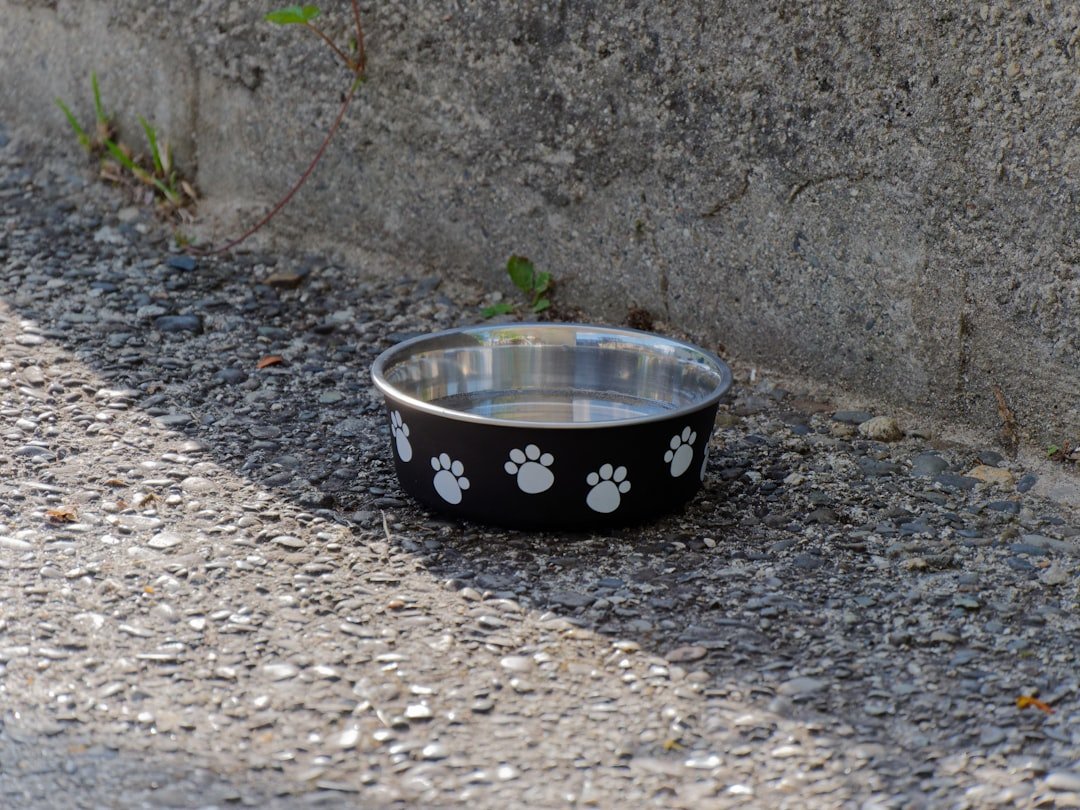
The water bowl is still almost full at dinner, yet your cat ate every bite of canned food. That can be perfectly normal. How much water should a cat drink daily depends on body size, diet, weather, activity, and health, but a useful general guide is about 40 to 60 milliliters of total water per kilogram of body weight per day. Total water matters. That number includes water in food as well as water lapped from a bowl, fountain, tap, or other safe source.
For many adult cats, this means somewhere around 180 to 300 mL of total water daily, although smaller and larger cats will fall outside that span. Food changes the picture a lot. Canned cat food often contains roughly 70 to 80 percent moisture, so a cat who eats it may take in much of its daily water with meals and barely visit the bowl. Dry kibble contains far less moisture. A dry-fed cat generally needs to make up more of its water needs by drinking.
How much water should a cat drink daily by weight?
Use your cat’s body weight to estimate total daily water needs, then remember that the estimate is not a bowl-drinking target. A simple calculation is body weight in kilograms multiplied by 40 to 60 mL. Keep it simple. To convert pounds to kilograms, divide the cat’s weight in pounds by 2.2.
- A 7-pound cat weighs about 3.2 kg and may need roughly 130 to 190 mL of total water per day.
- A 10-pound cat weighs about 4.5 kg and may need roughly 180 to 270 mL of total water per day.
- A 15-pound cat weighs about 6.8 kg and may need roughly 270 to 410 mL of total water per day.
Those figures are broad everyday estimates, not a pass-or-fail test for one day’s drinking. Cats do not drink the exact same amount every day. A warm room, a sunny nap spot, a more active afternoon, salty treats, and a change in food can all shift intake. Look for a pattern. What matters most is whether your individual cat suddenly drinks much more or much less than usual, especially alongside changes in appetite, litter box habits, energy, or vomiting.
Food moisture changes what you see at the bowl
A cat eating mostly canned food may get a substantial amount of water without obvious drinking. For example, a 5.5-ounce can of food that is about 78 percent moisture contains roughly 125 to 130 mL of water. That is a meaningful amount. If a 10-pound cat needs an estimated 180 to 270 mL of total water, one wet meal may already provide a large share, with the rest coming from another meal and voluntary drinking.
Dry food tells a different story. Kibble is usually only around 6 to 10 percent moisture, so its contribution to hydration is modest. A cat eating dry food may need to drink much more visibly, though the exact amount still varies. Do not compare bowl levels between cats on different diets. It is misleading.
You can add a small amount of plain water to wet food if your cat accepts it, starting with a teaspoon or two and increasing gradually. Some cats like a soupier meal; others walk away if the texture changes too much. Let your cat decide. Do not force water into a cat’s mouth unless a veterinarian has shown you a specific method for your cat, since forced liquid can go down the wrong way and create stress.
What normal hydration amounts look like at home
Normal hydration amounts are easier to judge over several days than during one refill of the bowl. Start by measuring what you offer and what remains at about the same time each day. This works best in a one-cat household. In homes with multiple cats, separate feeding stations or a short period of supervised access can make the picture clearer.
Try this practical five-day check. Use a measuring cup or marked bottle, add a known amount of fresh water each morning, and record the amount left before you refresh it the next day. Include water added to meals. Subtract the remaining water from the amount offered, while remembering that spills, fountain evaporation, and playful paws can make the number look higher than actual drinking.
For example, you offer 250 mL in a bowl and find 150 mL left the next morning, suggesting about 100 mL left the bowl. Your cat also eats two wet meals that each contain about 60 mL of moisture. The rough total is then near 220 mL. That fits comfortably within the broad daily estimate for many 10-pound cats. It is only an estimate.
Urine clumps can offer another everyday clue, but litter type, box depth, multiple cats, and cleaning schedules make them hard to measure precisely. A cat who urinates regularly, eats normally, and behaves like themselves may simply have a different drinking style than another cat. Some cats take several small drinks. Others visit the bowl less often but drink for longer.
Ways to encourage healthy drinking
Fresh, easy-to-reach water is the starting point. Many cats prefer a wide bowl that does not press on their whiskers, and ceramic, glass, or stainless steel bowls are easy to clean. Plastic can retain odors or develop scratches over time. Wash the bowl daily. Rinse it well so no soap residue remains.
Place water away from the litter box and, if possible, away from the food dish. Some cats dislike water beside food, perhaps because separate resources feel more comfortable to them. Put out more than one water station if your home has several rooms or more than one pet. A quiet location helps. Avoid placing every bowl beside a noisy appliance or a busy doorway.
A circulating fountain encourages some cats to drink because they prefer moving water, while other cats are wary of its motor sound or the changing surface. Either preference is normal. If you use a fountain, clean it as often as the manufacturer directs and replace filters on schedule. A neglected fountain is not better than a clean bowl.
Wet food is another practical hydration tool for cats who enjoy it and can eat it as part of a nutritionally complete diet. Choose food labeled complete and balanced for your cat’s life stage when it makes up the main diet. Treats and toppers do not replace a complete diet. If you are changing foods, make the switch gradually when possible to reduce the chance of stomach upset.
When drinking changes need attention
A sudden, sustained increase in drinking is worth a call to your veterinarian, even if your cat seems otherwise comfortable. The same is true if your cat is drinking much less than usual, refuses food, seems unusually quiet, vomits repeatedly, or has noticeable changes in urination. Cats can hide discomfort well. A change in routine may be the first visible clue.
Contact a veterinarian promptly if your cat repeatedly visits the litter box, strains to urinate, produces little or no urine, cries while trying to urinate, or seems distressed. This can be urgent, particularly for male cats. Do not wait overnight to see whether it resolves. Emergency guidance from a veterinary clinic is the safest next step.
Dry or sticky gums, marked weakness, sunken-looking eyes, and a cat who cannot keep water down also warrant prompt veterinary advice. These signs can have many causes, and home checks cannot tell you why they are happening. Do not rely on skin-tent tests alone. They are unreliable in many cats, especially older cats or cats with loose skin.
Do not restrict water because your cat seems to drink a lot, and do not add supplements, broth, milk, or electrolyte drinks to encourage intake without checking the ingredients and asking a veterinarian when appropriate. Many human broths contain onion or garlic, which are unsafe for cats. Plain fresh water is enough. If you want to flavor water, use only a cat-safe option confirmed by your veterinarian.
FAQ
Is it normal for a cat on wet food to barely drink?
Often, yes. Wet food provides a lot of moisture, so cats eating mostly canned food may not drink much from a separate bowl. Watch the whole pattern. If a cat who normally drinks little starts drinking heavily, or if their appetite and litter box habits change, contact a veterinarian.
How much water should a dry-food cat drink?
A dry-food cat may need to obtain a larger share of daily water by drinking because kibble has little moisture. There is no single bowl amount that fits every cat. Use the 40 to 60 mL per kilogram daily estimate for total water, account for moisture in the food, and track a noticeable change from your cat’s usual intake.
Can I add water to my cat’s food every day?
Yes, many cats can have plain water mixed into wet food, provided they still eat the meal willingly. Start with a small amount. A teaspoon can be enough at first. Refrigerate unused food promptly and discard food that has sat out according to the food label’s directions.
Why does my cat prefer the tap to the water bowl?
Some cats like moving water, cooler water, or the location of the sink better than the bowl’s location. It does not automatically mean there is a problem. Offer a clean fountain or move an additional bowl to a quiet area, but pay attention if this preference comes with a new increase in total drinking.
Should I measure my cat’s water every day?
You do not need to measure forever if your cat is healthy and their routine is stable. A few days of measuring can be useful after a diet change or when you are trying to understand normal hydration amounts. Keep a brief record if you notice a change. Clear observations help your veterinarian if you need to call.
Related posts
This post is for general informational purposes only and is not veterinary advice. Every cat is different — if you have concerns about your cat’s health or behavior, please consult a qualified veterinarian.