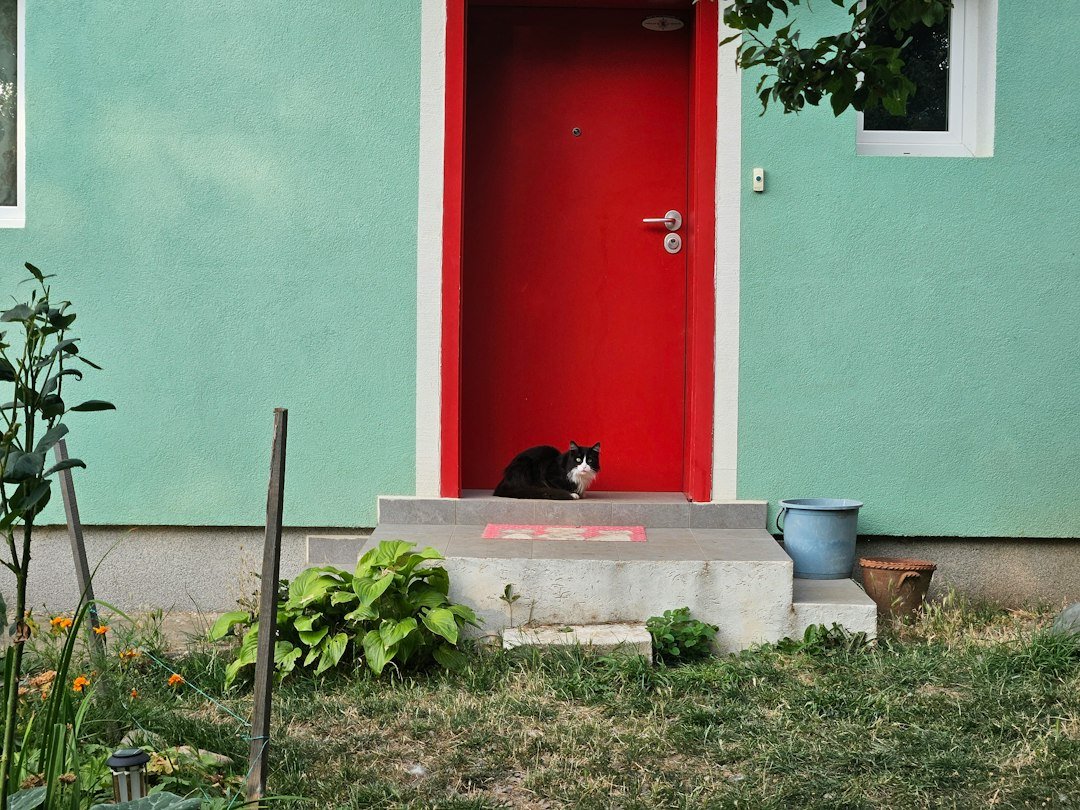
When you come home, put your things down and give your cat five quiet minutes before you approach. Give her space. If you are asking, “why does my cat ignore me?” after coming home, the answer is often that she is decompressing, waking up, or deciding whether she wants contact right then. Why does my cat ignore me when she used to greet me? A change in routine, scent, noise, or comfort can all affect that familiar welcome.
Why does my cat ignore me after I come home?
Cats do not usually view a return home the way a dog might. They may hear you at the door, register that you are safe, and continue sleeping, watching a window, or sitting in their preferred spot because nothing feels urgent. That can look personal. Usually, it is not.
Your arrival also brings a burst of information. Outdoor smells on shoes, a different coat, grocery bags, another animal’s scent, or a louder-than-usual entrance can make a cat pause and observe before coming close. Cats rely heavily on scent. A brief sniffing period is normal.
Some cats greet people enthusiastically, while others offer a slow blink from across the room or appear several minutes later when the house settles down. Both can be friendly responses. Personality matters. A naturally independent cat may care deeply about you without rushing to the door.
Timing can explain a lot too. Cats often sleep for long stretches, especially while the house is quiet, and a cat woken from deep rest may seem blank or mildly annoyed for a few minutes. Let her wake properly. Most cats appreciate that courtesy.
Start with a calm homecoming routine
Try the same low-pressure routine for a week before assuming there is a relationship problem. Consistency helps cats predict what happens next, and predictable arrivals feel safer than a loud greeting followed by immediate handling. Keep it simple.
- Enter quietly. Avoid calling repeatedly or walking straight toward your cat if she is hiding, resting, or staring at you from a distance.
- Put bags and keys away. This removes the noisy part of coming home before you ask for her attention.
- Offer a calm greeting. Say her name once in a normal voice, then turn slightly sideways rather than facing her head-on.
- Let her choose distance. Sit down nearby or go about a quiet task. A cat who wants contact can approach without feeling cornered.
- Use a familiar positive cue. Offer a small portion of her usual treat, begin a short play session, or prepare her scheduled meal if it is mealtime.
Do not chase a greeting. Following a cat who walks away can teach her that your arrival means pressure rather than comfort. If she leaves, let her leave. Many cats return once the front-door activity is over.
A useful test is to stop trying to touch her for several days when you first arrive home. Speak softly, sit nearby, and wait. If she begins approaching sooner, rubbing against furniture near you, or settling in the same room, she may have wanted control over the interaction more than she wanted less affection.
Read what your cat is saying
Ignoring you and avoiding you are different things. A cat who looks relaxed while choosing the other end of the sofa may simply be content alone; a cat who crouches, hides, or reacts defensively is telling you she needs more distance. Body language gives useful context.
| What you see | What it often means | What to do |
|---|---|---|
| Slow blinks, loose body, relaxed tail | She is calm but does not want active contact yet. | Slow blink back and let her remain where she is. |
| Sniffing your shoes or bags | She is checking new smells after your time away. | Stay still and allow the investigation. |
| Walking away with a normal posture | She may be heading to food, a bed, or a preferred resting area. | Do not follow. Invite play later. |
| Ears angled back, low body, wide pupils | She may feel uneasy, overstimulated, or startled. | Lower noise and give her a clear route away. |
| Hiding more than usual or swatting when approached | Stress, fear, pain, or a major change may be involved. | Do not force contact and consider a veterinary call if this is new or persists. |
Look at the whole pattern, not one signal. A swishing tail can mean excitement during play, but a hard, rapid tail flick combined with tense muscles usually means a cat has had enough. Pause there. Respecting small signals prevents bigger reactions.
Reasons a cat may seem distant after your return
Your cat may have had a perfectly peaceful day and simply be occupied when you arrive. Window watching is serious business for many cats. A bird feeder, passing traffic, or a neighborhood cat outside can hold their attention longer than your hello.
Routine changes are another common reason. If you began coming home later, changed shifts, returned from a trip, rearranged furniture, or brought home unfamiliar smells, your cat may need several days to adjust. Cats notice details. Their response is often quiet rather than dramatic.
Some cats become less available when their basic needs were met differently during the day. A cat with an automatic feeder may not be waiting for dinner, while a cat who has had a long nap may prefer play over cuddles. Observe the pattern. The time of day matters.
There can also be an association problem. If your arrival is regularly followed by nail trimming, medication, being picked up against her wishes, or an overexcited child trying to cuddle, she may leave before those things happen. Change the sequence. Pair homecoming with calm, optional good things instead.
A multi-cat home adds another layer. One cat may claim the hallway, door area, or your lap, and another may hang back until the first cat moves away. Watch their spacing. You may notice that the quieter cat is friendly later, once there is less competition.
Build connection without demanding it
Reliable affection grows from many small interactions rather than one big reunion. Keep your cat’s preferred type of attention in mind: some enjoy cheek scratches, while others would rather chase a toy or sit beside you without touching. Choose her language.
Set aside a brief daily play period that does not depend on your arrival at the door. A wand toy moved like small prey, with pauses and changes in direction, gives many cats a satisfying outlet. End with a small part of a meal or a usual treat if that fits her feeding plan. Ten calm minutes can be enough.
Offer touch only after an invitation. Head bumps, leaning into your hand, purring with a loose body, or returning for more contact are good signs; turning away, skin twitching, tail thumping, or shifting out of reach mean it is time to stop. Stop early. Cats often return faster when they know they can end the interaction.
Make sure she has a quiet place that stays hers. A covered bed, high perch, open carrier with bedding, or a room away from household traffic can help a cat settle after activity in the home. Do not pull her out. A safe retreat works only if it remains voluntary.
When a behavior change needs attention
A cat who has always been reserved may simply have that temperament. A cat who suddenly withdraws after greeting you warmly every day deserves closer observation, especially if the change lasts more than a day or two or comes with other changes. Sudden is the key word.
Contact a veterinarian promptly if your cat seems painful, has trouble breathing, cannot urinate, repeatedly vomits, collapses, or shows other urgent signs. Do not wait. Those situations need professional guidance rather than behavior troubleshooting at home.
For less urgent changes, make notes before you call. Record when the distant behavior started, whether she is eating and drinking normally, litter box changes, new household events, and whether she still enjoys play or treats. Specific observations help. Avoid trying to diagnose the cause yourself.
If health concerns are ruled out, a qualified cat behavior professional or your veterinary team can help you look at the home setup and daily routine. Small adjustments often matter, especially when a cat’s withdrawal began after a move, new pet, baby, construction noise, or schedule shift. Go slowly.
FAQ
Should I ignore my cat when I come home?
You do not need to ignore her completely. Offer one calm greeting, then let her decide whether to approach. Be available. This is different from withholding attention as punishment.
Why does my cat ignore me but greet other people?
Your cat may associate you with a particular routine, such as meals, handling, leaving for work, or bedtime, while visitors are unusual and interesting. New scents can be compelling. Watch whether she is relaxed with you later in the evening, because that tells you more than the doorway response alone.
Can my cat be mad that I was away all day?
Cats can react to a changed routine and may be less social after a long absence, but it is hard to know that they experience this as human-style resentment. Do not assume punishment. Focus on restoring familiar meals, play, quiet time, and choice.
How long should I wait before worrying?
A few quiet minutes after you arrive is usually no concern if your cat otherwise eats, uses the litter box, moves normally, and acts like herself. A sudden or persistent change deserves attention. Call your veterinarian sooner if you also see signs of illness, pain, or marked fear.
Related posts
This post is for general informational purposes only and is not veterinary advice. Every cat is different — if you have concerns about your cat’s health or behavior, please consult a qualified veterinarian.