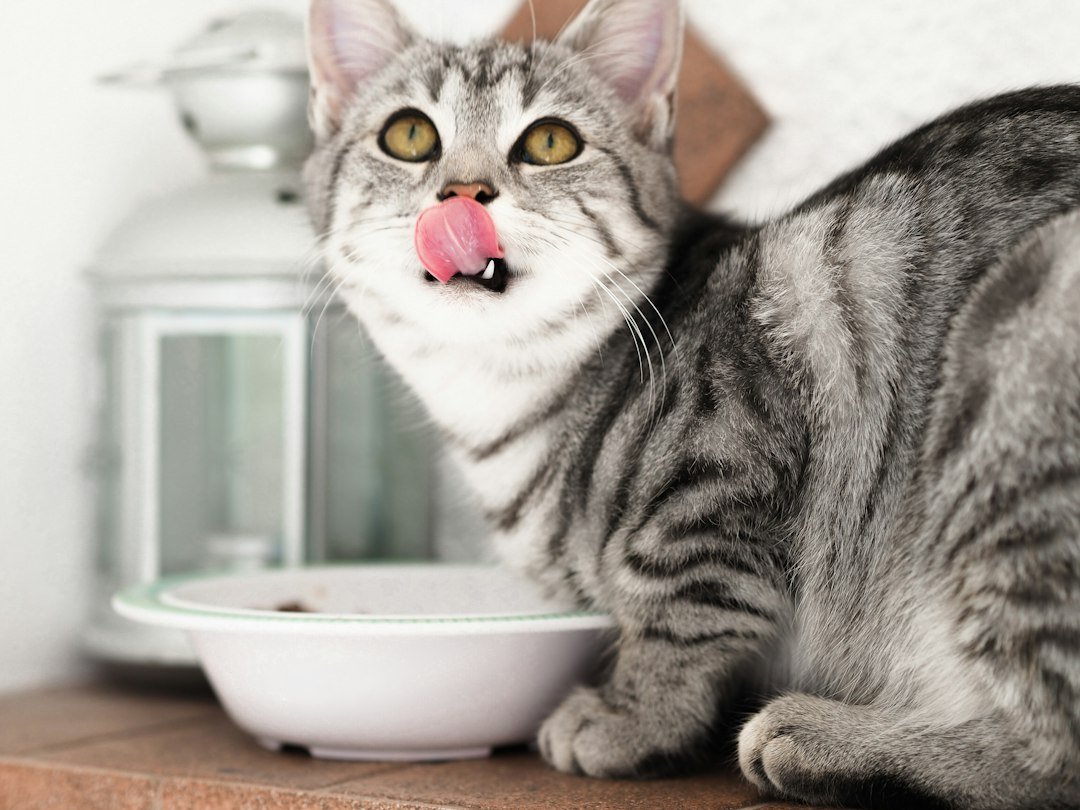
Cat hiccups causes are often minor, and a brief episode is usually normal rather than concerning. Cat hiccups causes can include swallowing air during a fast meal, excitement, or a mildly irritated diaphragm. Most episodes pass quickly. A hiccup is an involuntary spasm of the diaphragm, the thin muscle beneath the lungs, followed by a quick closure of the airway that makes the familiar little sound or body twitch. Cats can hiccup, although owners may mistake coughing, gagging, or a hairball attempt for hiccups.
Cat hiccups causes and what a real hiccup looks like
A true hiccup often looks like a small, repeated jump in the chest or belly, sometimes with a quiet “hic” sound. It is brief. Your cat may otherwise act completely normal, continue resting, or look mildly puzzled before going back to whatever they were doing. The movement tends to repeat at a steady rhythm for a short time, while coughing is usually harsher and may involve a stretched neck, an open mouth, or repeated forceful breaths.
Hiccups happen when the diaphragm contracts suddenly without the cat choosing to move it. The airway closes almost immediately afterward. That is the sound. Many everyday things can trigger this reflex temporarily, especially anything that changes breathing or swallowing patterns soon after a meal. An isolated episode in a comfortable cat is generally less worrying than an episode paired with clear illness signs, because the rest of the cat’s behavior gives useful context.
Common harmless triggers
Eating too quickly is one of the most likely everyday triggers. A hungry cat may gulp kibble, swallow air, and then hiccup shortly afterward. This is common. Some cats also eat rapidly after another pet has approached the food bowl, even if there is no actual fighting over food. A shallow bowl, a large single meal, or a food location that feels busy can make a cat rush through eating.
Excited play can bring on a short bout as well. A cat that has been sprinting, chasing a toy, or demanding dinner may take quick, uneven breaths and swallow more air than usual. Young cats are especially prone to this kind of brief episode. Kittens eat and play with gusto. Their bodies are still developing, and their feeding habits can be less controlled than those of a settled adult cat.
A big drink of water after activity may also be followed by a few hiccup-like motions. So can a meal that is larger than usual. These patterns do not prove the cause, but the timing is helpful. If the sound or twitch appears only after fast eating and stops on its own while your cat remains bright, comfortable, and interested in normal activities, observation is usually sensible.
Some cats seem more likely to hiccup after a sudden food change or when they have mild stomach upset. There is no need to assume the worst. Still, a new food should be introduced gradually when possible, particularly for cats with sensitive digestion. A slower transition gives you a clearer picture of whether loose stool, vomiting, reduced appetite, or repeated hiccup-like episodes began around the dietary change.
When it may be something other than hiccups
Not every little jerk or strange sound is a hiccup. This matters. Coughing can be mistaken for hiccups, especially when a cat crouches low and makes short repeated motions. Cats sometimes cough because of airway irritation, and the sound may be dry, wheezy, or more forceful than a hiccup. Record a video if you can, since a veterinarian can often learn far more from a short recording than from a description alone.
Gagging and retching are also easy to confuse with hiccups. A cat trying to bring up a hairball may extend the neck, contract the abdomen, swallow repeatedly, drool, or make a deeper hacking sound. Watch closely. A hairball attempt often looks more effortful than a hiccup and may continue in clusters. Repeated unproductive retching, particularly if your cat seems distressed, deserves a call to the veterinary clinic.
Reverse sneezing is more often discussed in dogs, but cats can have upper-airway sounds that resemble it or resemble hiccups. Sneezing fits, nasal congestion, throat irritation, and swallowing motions can all look odd from across the room. Breathing should remain easy. If your cat is breathing with the mouth open, struggling to draw air, has pale or bluish gums, or collapses, treat that as urgent and contact an emergency veterinary service right away.
Signs that make hiccups more concerning
Brief hiccups without other changes are usually a watch-and-note situation. The picture changes when episodes recur often, last longer than a typical brief spell, or appear alongside other symptoms. Pay attention to the whole cat. Appetite, litter box habits, energy level, breathing, posture, and willingness to be touched can help you decide whether this is an isolated quirk or part of a bigger problem.
Arrange veterinary advice promptly if hiccup-like episodes keep returning over several days, interrupt sleep or eating, or seem to become more frequent. Also call if you notice vomiting, diarrhea, constipation, drooling, repeated swallowing, coughing, wheezing, nasal discharge, or a clear change in appetite. Those signs do not identify one specific cause. They do mean a professional should assess your cat rather than relying on a home guess.
Get urgent help for breathing difficulty, open-mouth breathing, blue or gray gums, sudden severe weakness, collapse, choking concerns, or a suspected swallowed object. Do not wait to see whether hiccups stop. Cats can hide discomfort well, and respiratory trouble can worsen quickly. If your cat is actively choking and cannot breathe normally, contact an emergency veterinarian while following their instructions.
What to do at home
For a comfortable cat with a short, isolated episode, stay calm and observe. Do not try to startle the hiccups away or force water into your cat’s mouth. That can create stress and may increase the risk of choking. Give them space. Most cats settle best when the room is quiet and they can rest without being handled.
- Check the timing. Note whether the episode began after eating, drinking, play, grooming, or waking up.
- Watch breathing. Look for smooth, quiet breaths rather than effort, wheezing, or open-mouth breathing.
- Take a short video. Capture the body movement and sound if it happens again.
- Write down related changes. Include appetite, vomiting, stool changes, energy, and any new food or treats.
- Contact your veterinary clinic if it repeats. Share the video and notes rather than trying home remedies.
Never give human medicines, antacids, supplements, oils, or herbal remedies for hiccups unless your veterinarian has specifically told you what to use and how much. Cats process many substances differently from people. Even a product that seems mild can be unsafe at the wrong dose or can delay proper care. Keep meals and water available as normal unless a veterinarian advises otherwise.
Ways to reduce meal-related hiccups
If fast eating appears to be the pattern, make meals slower and less competitive. Small changes can help. Offer a measured daily food amount in several smaller meals instead of one large serving, if that fits your cat’s routine and feeding plan. If multiple cats share the home, feed them in separate calm spaces so one cat does not feel pressure to finish before another arrives.
A puzzle feeder or slow-feeding bowl may help some cats eat less frantically, though it should be introduced gradually and cleaned well. Start with an easy setup. A cat that becomes frustrated may simply stop eating, so check that they are actually getting their normal food intake. For wet food, spreading the portion across a broad plate can slow down gulping without making the meal difficult to access.
Keep a simple record for a week if episodes happen more than once. Note the date, time, length, what your cat ate, and what happened immediately beforehand. A useful example is: “Tuesday evening, three small hiccups two minutes after finishing dry food, then normal grooming and play.” Details like that can reveal a meal pattern, and they give your veterinarian a clearer starting point if you need an appointment.
In short, occasional cat hiccups are commonly harmless when your cat is otherwise well and the episode ends quickly. Watch the pattern. Repeated, prolonged, or uncomfortable-looking episodes, especially with breathing changes, coughing, vomiting, poor appetite, or low energy, are reason to contact a veterinarian rather than assuming they are ordinary hiccups.
Related posts
This post is for general informational purposes only and is not veterinary advice. Every cat is different — if you have concerns about your cat’s health or behavior, please consult a qualified veterinarian.