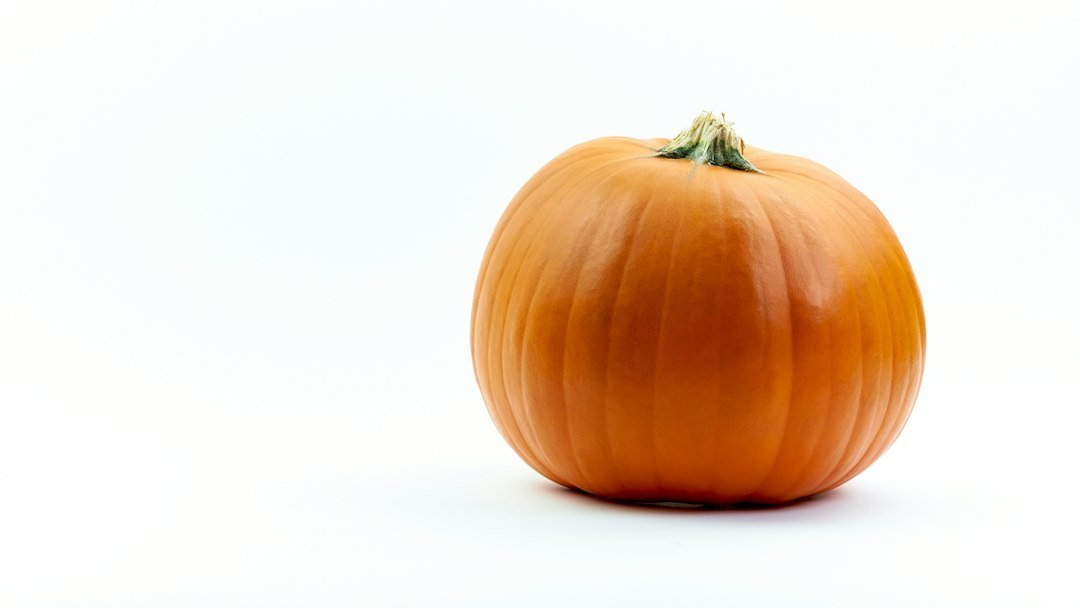
When your cat is watching you open a can at dinner, can cats eat pumpkin safely? Usually, yes. Most healthy adult cats can have a small amount of plain, cooked pumpkin, and can cats eat pumpkin safely depends mainly on the ingredients, portion size, and the reason you are offering it.
Plain pumpkin can be useful as a small food topper for some cats with minor stool changes. Keep it simple. It is not a replacement for veterinary care, a balanced cat food, or a treatment plan for ongoing digestive problems.
Can cats eat pumpkin safely for digestive health
Pumpkin contains water and dietary fiber, which may change stool texture in some cats by adding bulk and holding water in the digestive tract. Results vary. A little may help a cat pass a dry stool more comfortably, while the same fiber may help firm up a mildly loose stool for another cat.
That sounds contradictory, but fiber does not work like a single-purpose medicine. It interacts with the moisture already in the stool, the rest of the cat’s diet, how much water the cat drinks, and the individual cat’s digestion. Cats are obligate carnivores. Their main nutrition still needs to come from a complete and balanced meat-based cat food.
Use pumpkin as a modest extra. A spoonful is plenty. Giving more because a small amount seemed helpful can lead to gas, softer stools, reduced appetite, or a cat refusing food that has been changed too much.
Choose the right kind of pumpkin
The safest option is plain canned pumpkin puree with pumpkin as the only ingredient. Read the label. Cans placed near each other can look similar, but pumpkin pie filling is a very different product.
Pumpkin pie filling often contains sugar, salt, spices, and other flavorings that cats do not need. Some prepared products may also contain ingredients that are unsafe for cats, such as onion or garlic in savory foods. Skip it entirely.
You can also use fresh pumpkin that has been baked, steamed, or boiled until soft and then mashed. Let it cool first. Serve it plain, with no butter, oil, milk, salt, stock, seasoning, or sweetener.
Raw pumpkin is not a useful choice for most cats. It is hard to chew and digest. Skip the tough skin, stem, and seeds as well, since they add choking and stomach-upset risks without offering a benefit your cat needs.
Plain pumpkin baby food can sometimes work, but only after a close ingredient check. One ingredient is best. Do not assume a vegetable puree is cat-safe because it is made for babies, since some blends contain onion, garlic, added starches, fruit, or seasoning.
How much pumpkin to offer
Start smaller than you think. A cat’s digestive system can react to a sudden new food even when that food is generally safe. Mix the pumpkin into a familiar wet meal, rather than presenting a large new blob in a separate dish.
| Cat size | First trial amount | Practical limit without veterinary guidance |
|---|---|---|
| Small adult cat | About 1/4 teaspoon | Usually no more than 1/2 teaspoon in a day |
| Average adult cat | About 1/2 teaspoon | Usually no more than 1 teaspoon in a day |
| Large adult cat | About 1/2 to 1 teaspoon | Usually no more than 2 teaspoons in a day |
These are cautious food-topper amounts, not prescriptions. Go slowly. If your cat accepts the first small serving and has normal appetite, energy, and litter box habits over the next day or two, you can stay at that amount or make only a small increase.
Kittens need extra care. Their nutritional needs are high for their size, and digestive changes can become serious faster than they do in a healthy adult cat. Ask a veterinarian before using pumpkin for a kitten, especially one with diarrhea, vomiting, poor appetite, or low energy.
A simple way to try pumpkin
Keep the first trial boring on purpose. Do not introduce pumpkin on the same day as a new treat, a new food, or a change in feeding schedule. That makes it much easier to tell what caused a reaction.
- Check that the product is plain pumpkin puree with no added ingredients.
- Mix a starting amount into one regular meal.
- Keep your cat’s usual food and water routine the same for 24 to 48 hours.
- Watch the litter box, appetite, and willingness to eat the meal.
- Stop offering pumpkin if you see vomiting, more diarrhea, bloating, obvious discomfort, or food refusal.
Use a clean spoon each time. Refrigerate opened canned pumpkin in a covered food-safe container and follow the storage guidance on the package. Small portions can also be frozen in an ice cube tray, then thawed in the refrigerator as needed.
Many cats dislike the smell or texture of pumpkin. That is fine. Do not force-feed it, smear it on paws, or keep mixing larger amounts into meals your cat then avoids. A cat that stops eating because a meal smells unfamiliar has gained nothing from the added fiber.
When pumpkin may not be the right answer
Pumpkin is sometimes suggested for constipation or loose stool, but those signs have many possible causes. Some are minor. Others need prompt veterinary attention, particularly if they continue, recur, or occur alongside changes in appetite or behavior.
A cat who strains repeatedly in the litter box may be constipated, but straining can also happen with urinary trouble. Treat that as urgent. If you are not sure whether your cat is trying to poop or pee, contact a veterinarian right away instead of trying more pumpkin.
Call a veterinarian promptly if your cat has repeated vomiting, blood in stool, a swollen or painful-looking belly, marked lethargy, refuses food, seems dehydrated, or has diarrhea that is frequent or does not settle quickly. Do not wait on a food remedy. Cats can become unwell when digestive symptoms continue.
Also check before adding pumpkin if your cat eats a prescription diet, has a long-term health condition, takes medication, or has had previous digestive disease. Small dietary additions can still matter when a veterinarian has chosen a specific food for a health reason.
Keep pumpkin in its place
Pumpkin works best as an occasional tiny topper, not a daily requirement for every cat. Less is safer. If your cat has normal stools, good appetite, and no digestive concerns, there is no need to add it simply because it is considered healthy for people.
For a cat with a brief, mild stool change who is otherwise acting normally, plain pumpkin may be reasonable to try in a tiny amount while you monitor closely. If the problem returns whenever you stop using it, that is useful information for your veterinarian. The goal is to understand the cause, not permanently cover up a symptom.
Food changes should stay gradual. A balanced diet, reliable access to fresh water, regular meals, and a clean litter box give you a much clearer picture of your cat’s usual digestion than frequent add-ons do. Pumpkin can fit into that routine, but it should remain a very small part of the bowl.
Related posts
This post is for general informational purposes only and is not veterinary advice. Every cat is different — if you have concerns about your cat’s health or behavior, please consult a qualified veterinarian.