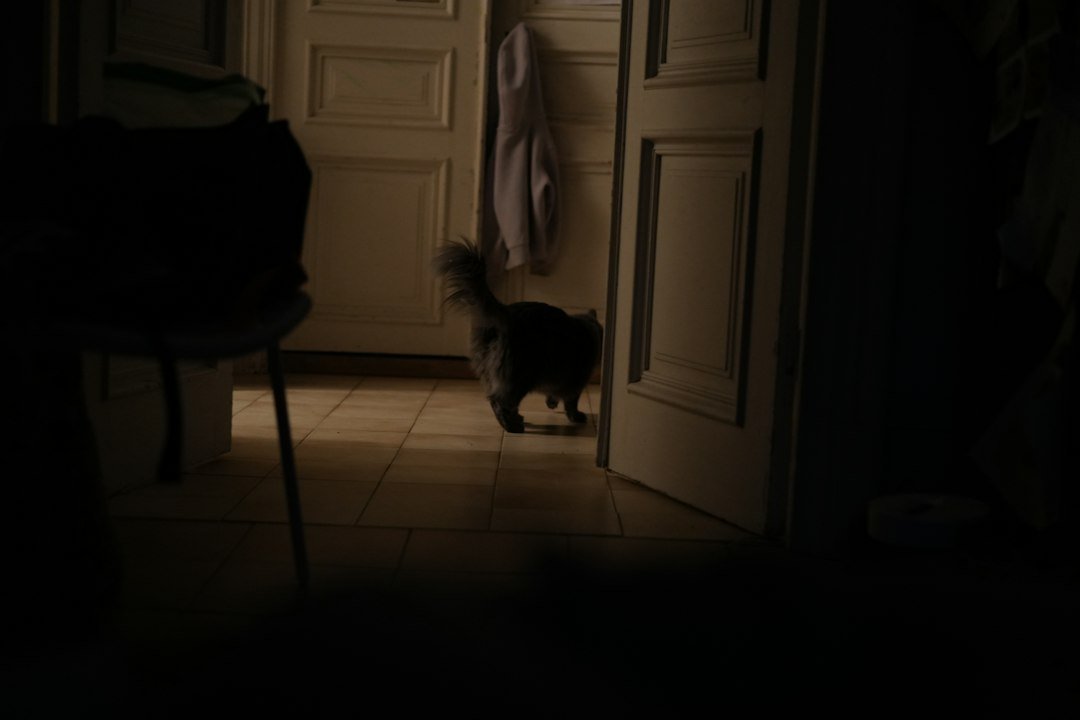
The house is quiet, the lights are low, and your cat starts walking the hallway again and again instead of settling down. Why does my cat pace at night? Cats may pace because they are naturally more active around dusk and dawn, want food or attention, have unused energy, feel unsettled by a change, or are uncomfortable. The timing matters. If you are asking why does my cat pace at night after a new or sudden change in behavior, treat it as useful information rather than a harmless quirk and look at the whole picture.
Why does my cat pace at night?
Many cats have activity peaks in the evening and early morning. Their wild ancestors tended to hunt when small prey was active, and domestic cats often retain some version of that rhythm even when meals come from a bowl. This is normal. A cat that naps for much of the day may have plenty of energy left when you are ready for bed, especially if nobody is home during daytime hours.
Night pacing can also become a routine that people accidentally reinforce. If a cat walks, meows, scratches the bedroom door, and then gets breakfast, a snack, play, or a response, the cat can learn that nighttime activity gets results. Cats learn patterns quickly. That does not mean the cat is being difficult; it means the behavior has made sense from the cat’s point of view.
Sometimes the cause is an unmet environmental need. A cat may patrol windows after seeing outdoor cats, search for a preferred resting spot that has become noisy or cold, or circle because a litter tray is dirty, blocked, or placed near something frightening. Small changes count. Visitors, a new pet, construction sounds, different work hours, and rearranged furniture can all make a cat more watchful at night.
Discomfort is another possibility, particularly when pacing is new, persistent, or paired with other changes. Pain, nausea, urinary trouble, constipation, itching, reduced vision or hearing, and age-related changes can all affect sleep and movement, but only a veterinarian can assess what is behind an individual cat’s behavior. Do not guess. A cat may hide signs of illness well, so pacing alone cannot tell you the cause.
Older cats deserve a closer look when their sleep pattern shifts. Some senior cats become more unsettled after dark, vocalize, get lost in familiar rooms, or seem unable to settle. Age is not an explanation by itself. A veterinary check can help sort out medical issues, pain, sensory changes, and behavior changes that may need different support.
Look for the pattern before trying restlessness remedies
A few nights of notes can make the next step much clearer. Keep it simple. Record when the pacing starts, where your cat walks, whether there is meowing, what happened in the hour before it began, and what finally stops it. Also note meals, water intake, litter box use, vomiting, stool changes, appetite, and daytime sleeping.
Pay attention to body language as well. A cat who strolls with a loose body and pauses to inspect a window may be alert or bored. A cat who crouches, has wide pupils, flicks the tail sharply, hides between laps, or vocalizes in an unusual way may be distressed. Context matters. One restless night after fireworks is different from a week of repetitive pacing with less interest in food.
Use this quick check for two or three nights if your cat otherwise seems normal:
- Check the litter tray before bed. Scoop it, make sure your cat can reach it, and confirm that another pet is not guarding the route.
- Close curtains or use privacy film on a low window if outdoor animals seem to trigger patrols. Keep one calm perch available elsewhere.
- Offer a short interactive play session about 30 to 60 minutes before your own bedtime. Let the cat stalk, chase, and catch a toy several times.
- Give a small part of the normal daily food allowance after play, if that suits your cat’s feeding plan. Do not add extra calories without accounting for them.
- Leave a quiet sleeping area with water, a clean tray, and a familiar bed. Then keep your response boring and consistent if the cat is safe.
This sequence copies a useful pattern: activity, food, then rest. Keep it realistic. A five- to ten-minute toy session that your cat enjoys is more useful than a long session that leaves them frustrated or overwhelmed.
Practical restlessness remedies that do not disrupt the routine
Start with daytime enrichment, because a cat cannot use up energy while asleep. Put meals into a puzzle feeder, scatter a measured portion of dry food in a safe area, or hide a few pieces in paper balls or treat toys if your cat handles them safely. Supervise new items. The goal is to give the cat small jobs during waking hours, not to make meals difficult.
Interactive play works best when the toy behaves like prey. Move a wand toy behind a chair leg, let it pause, then let your cat catch it regularly. End on a success. Laser pointers can create frustration for some cats because there is nothing to grab, so follow one with a toy or treat the cat can physically catch if you use one at all.
Make nighttime choices easy. Provide a stable bed away from drafty doors, a scratching surface nearby, and access to the litter tray without a closed door or a tense encounter with another pet. In multi-cat homes, spread resources around the home rather than putting everything in one busy corner. A second water station or litter tray can reduce bottlenecks.
For cats that react to outside activity, reduce the view after dark. Closing blinds is often enough. You can also add indoor climbing space or a covered bed in a quieter room, which gives the cat a place to retreat instead of pacing past the same window.
Feeding schedules can help, but avoid making a hungry cat wait until late morning just to stop nighttime noise. Divide the usual daily ration into planned meals, and consider an automatic feeder set for an early morning portion if your cat has learned to wake you for breakfast. Check the portion size carefully. The feeder should replace food you would have given anyway.
Do not punish, spray, shout at, or repeatedly carry a pacing cat to a bed. Those reactions can add fear or turn the interaction into attention. Stay calm. If you have ruled out urgent concerns and are changing a learned waking habit, respond the same way each night while you build a better pre-bed routine.
When nighttime pacing needs veterinary advice
Arrange a veterinary appointment promptly if the pacing is new, becomes frequent, or arrives with behavior or physical changes. Call sooner if your cat seems painful, stops eating, drinks much more or less than usual, vomits repeatedly, has diarrhea or constipation, loses weight, hides, seems confused, or has trouble jumping or walking. Cats can deteriorate quietly. Bring your notes and, if possible, a short video of the pacing.
Seek urgent veterinary help if your cat repeatedly enters the litter box, strains to urinate, cries there, produces little or no urine, or has a swollen or painful-looking abdomen. Do not wait overnight. Urinary blockage is especially urgent in male cats and can become life-threatening quickly.
A veterinarian may ask about diet, medications, household changes, sleep, mobility, and litter box habits before recommending next steps. Be specific. Saying that your cat paced from 1 a.m. to 3 a.m. on four nights, ate half a meal, and visited the tray six times is more useful than saying the cat seemed strange.
What to expect after changing the routine
Give a safe routine time to work. A learned nighttime pattern rarely disappears after one evening, and changing your response can briefly make a cat try harder because the old approach used to work. This is common. Stay consistent for several days while monitoring appetite, comfort, and litter box use.
Adjust one or two things at a time when possible. If you change the food schedule, move the bed, close the blinds, buy new toys, and start ignoring vocalizing all at once, you will not know what helped or what made your cat uneasy. Keep notes. The best plan is the one your cat can follow calmly and you can maintain every night.
Frequently asked questions about why does my cat pace at night
Is nighttime pacing normal for cats?
Occasional evening activity can be normal, especially in a healthy cat that has slept all day and settles after play or food. Watch the trend. New, intense, or repetitive pacing deserves closer attention, particularly if your cat also changes eating, drinking, grooming, mobility, or litter box habits.
Should I play with my cat right before bed?
Usually, a short play session before bed can help direct energy into a predictable routine. Let your cat catch the toy. Follow play with a small measured meal or snack from the normal daily allowance, then lower household activity so the sequence ends calmly.
Will an automatic feeder stop my cat waking me up?
It may help when early breakfast expectation is part of the pattern. It is not a cure for discomfort, fear, or boredom. Set it to deliver a portion your cat already receives, place it safely away from the litter tray, and do not use it as a reason to skip veterinary advice when behavior has changed.
Why does my older cat wander and meow at night?
Older cats can become restless at night for several reasons, including discomfort, sensory changes, changes in sleep, or other health concerns. Do not assume it is old age. Schedule a veterinary assessment, especially if the behavior is recent or your cat seems confused, less steady, or less interested in normal routines.
Related posts
This post is for general informational purposes only and is not veterinary advice. Every cat is different — if you have concerns about your cat’s health or behavior, please consult a qualified veterinarian.