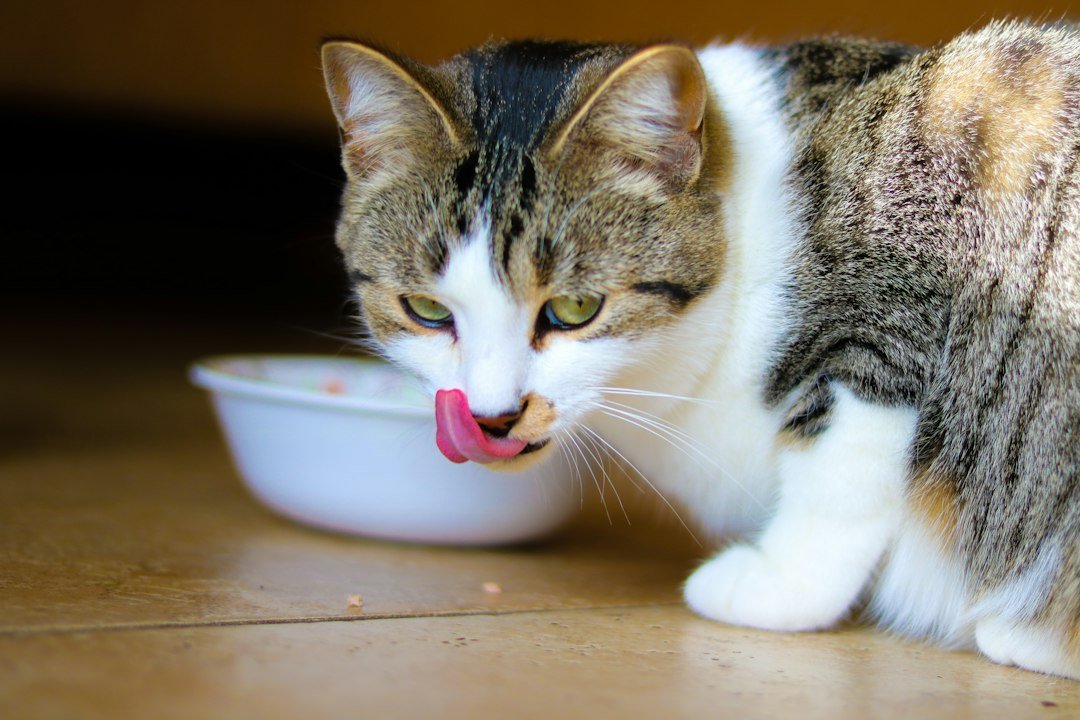
For how to transition a kitten to adult food, start by buying the adult formula you plan to use and introducing it slowly rather than swapping bowls overnight. Go gradually. Most kittens move to adult food at about 12 months old, when their rapid growth has slowed and their calorie needs begin to change, although some larger cats need kitten food for longer.
Check the food label first. A kitten formula is generally richer in calories and has nutrient levels designed to support growth, while adult food is intended for maintenance after that main growth period has passed. The label should state whether the food is for kittens, adults, or all life stages. If your cat has a health condition, is unusually small or large, or has been on a veterinary diet, ask your veterinarian when and how to change foods.
When kittens are ready for adult food
For many cats, 12 months is a sensible starting point for changing from kitten food to an adult maintenance diet. That is the usual timeline. By this age, many cats have reached most of their adult size, even though they may still look youthful and act wildly energetic.
Some cats need a different schedule. Large-framed breeds may continue growing past their first birthday, and a veterinarian may suggest keeping them on kitten food until roughly 15 to 18 months. A kitten who is underweight, recovering from illness, pregnant, or nursing also has different nutritional needs. Get individual guidance.
Do not use size alone as the test. Look at your cat’s age, body condition, appetite, and current growth pattern, then use those details alongside advice from the person who knows your cat’s health history. A cat who is already gaining excess weight may need a careful portion adjustment during the switch. The goal is steady condition.
How to transition a kitten to adult food step by step
The safest routine is to mix increasing amounts of the adult food into the kitten food over at least seven days. Slow is better. This gives your cat time to accept the different smell, texture, protein source, and fiber level while giving you a chance to watch for digestive upset.
| Days | Kitten food | Adult food | What to watch |
|---|---|---|---|
| 1 to 2 | 75% | 25% | Appetite and stool consistency |
| 3 to 4 | 50% | 50% | Vomiting, loose stool, or food refusal |
| 5 to 6 | 25% | 75% | Normal energy and comfortable digestion |
| 7 onward | 0% | 100% | Portion size and body condition |
Measure the food before mixing it. Use a kitchen scale if you have one, since cups can be imprecise when kibble shapes and densities differ. Keep the total daily amount appropriate for your cat rather than feeding a full kitten-food portion plus a full adult-food portion. Extra calories add up.
If your kitten normally eats four small meals, keep that meal rhythm during the food transition so the only new variable is the food itself. Once the switch is complete, many adult cats do well with two or more measured meals per day. There is no need to rush that change. Consistent routines help.
Use the feeding guide on the adult food as a starting estimate, not an automatic final amount. Those guides usually sort cats by body weight, but an indoor cat who naps most of the day may need less food than an active cat of the same weight. Assess the portion over several weeks. Small adjustments are easier.
Choosing an adult food
Pick an adult food that says it is complete and balanced for adult maintenance on its packaging. This matters. It means the manufacturer formulated the diet to provide the nutrients a healthy adult cat needs when fed as the main food according to directions.
You do not have to stay with the same brand. A familiar brand may make acceptance easier, but a new brand can work fine if it is a suitable adult formula and you introduce it gradually. Changing both dry and wet food at once can make it harder to tell what caused an upset stomach. Change one main item first.
Wet food, dry food, or a combination can all fit an adult cat’s diet when the food is nutritionally complete and portions are sensible. Wet food adds moisture. Dry food can be convenient and may work well for cats that enjoy it, but it should not be left out freely if your cat tends to overeat.
Skip foods marketed mainly with vague lifestyle claims if the label does not clearly identify the life stage and feeding directions. Read the back. Ingredient preferences vary among owners, but the practical basics are a suitable life-stage statement, a reputable manufacturer, clear calorie information when available, and a food your cat digests and willingly eats.
Portions after the switch
Adult food may have fewer calories per cup than kitten food, but that is not guaranteed. Compare the labels. The calories can differ sharply between recipes, especially between dry and wet foods, so a scoop that looked right with the old food may not be right with the new one.
Weigh your cat periodically if possible, using the same scale and roughly the same time of day. You can also watch body shape: you should usually be able to feel the ribs under a light covering, and your cat should have some visible waist when viewed from above. Fur can hide changes. Your veterinarian can help assess body condition at routine visits.
Treats count toward the day’s intake too. Keep treats modest while you learn the right adult-food portion, particularly during training or when several people in the home feed the cat. A written feeding chart on the fridge can prevent accidental double meals. It is surprisingly useful.
What to do if your kitten refuses the new food
A little hesitation is common when food smells or feels different. Do not panic. Hold at the previous ratio for another day or two, then make the next increase smaller once your cat is eating normally again.
Do not try to solve refusal by withholding food until your cat gives in. Cats should not go long without eating, and a sudden loss of appetite deserves attention. If your cat refuses food altogether, repeatedly vomits, has persistent diarrhea, seems weak, or you are worried for any reason, contact a veterinarian promptly. Do not force-feed unless a veterinarian has instructed you to do so.
A picky cat may accept a slower 10 to 14 day schedule better than the seven-day plan. Smaller steps work. For example, stay at 75 percent kitten food and 25 percent adult food for three days, then move to an even half-and-half mix only after meals and litter-box habits seem normal.
Keep the bowl clean and offer food in a quiet place. A shallow dish can help cats who dislike their whiskers brushing the sides, while separate bowls may reduce stress in homes with multiple pets. Avoid adding lots of toppers during the transition. That can teach a cat to wait for extras.
Common transition mistakes
The most common mistake is changing food in one day because the kitten-food bag ran out. Keep a small buffer. Buy the adult food before the old food is nearly gone, so you have enough of both diets for a gradual mix.
Another mistake is continuing to feed kitten-sized calories after growth has slowed. Adult cats often need fewer calories per pound than kittens, and gradual weight gain can be hard to spot under a fluffy coat. Measure meals. Free-feeding makes this much harder to judge.
It is also easy to confuse a food transition with a full feeding overhaul. Keep water bowls, meal locations, and meal times familiar at first if you can. One change at a time makes your cat’s response easier to read. Simple is useful.
Frequently asked questions
Can I transition my kitten to adult food before 12 months?
Usually, kitten food is fed until around 12 months because kittens are still growing and need a growth-appropriate diet. There are exceptions. If weight gain or a medical concern is part of the picture, ask a veterinarian rather than reducing calories on your own.
Can I mix kitten and adult food permanently?
A short mixing period is useful during the change. Long-term mixing can make it harder to control calories and know what diet your cat is actually eating, especially if the foods have very different calorie counts. Choose one main adult diet once the transition is complete unless your veterinarian recommends otherwise.
Should I switch dry and wet food on the same schedule?
You can, but it is often easier to change one food type at a time. Start with the food that provides most of your cat’s daily calories, then transition the other after the first change is going smoothly. This gives you a clearer picture if digestion changes.
How long should the transition take if my cat has a sensitive stomach?
Try a slower schedule of 10 to 14 days rather than pushing through a seven-day plan. Pause at the last ratio your cat tolerated well. If stomach upset continues or your cat is not eating normally, contact a veterinarian for advice.
Related posts
This post is for general informational purposes only and is not veterinary advice. Every cat is different — if you have concerns about your cat’s health or behavior, please consult a qualified veterinarian.