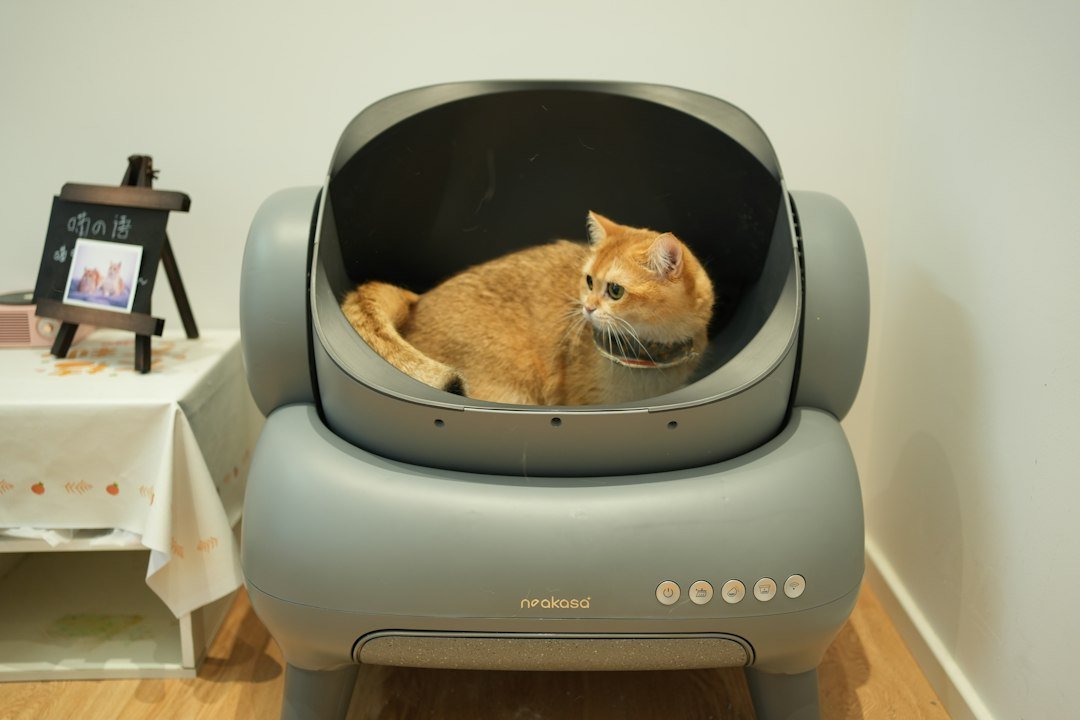
For litter tracking control, a top-entry litter box is the better pick for most healthy adult cats. In the single-entry vs top-entry litter box comparison, the top-entry design usually keeps more loose litter in the box because your cat exits across a textured lid instead of walking straight out through a low front opening. It makes a real difference. Choose a single-entry box instead if your cat is elderly, has limited mobility, is very large, is still a small kitten, or objects to entering through an opening in the lid.
The short version is simple. A top-entry box reduces the litter that reaches your floor, while a single-entry box makes access easier and gives you more choices in size, shape, and entry height. The best box is still one your cat will use reliably. A cleaner floor is never worth creating a box aversion.
Single-entry vs top-entry litter box for litter tracking control
Top-entry boxes control tracking in two ways. First, their tall walls contain litter that gets kicked during digging and covering. Second, the lid acts like a small landing platform, so litter caught between paw pads can fall back into the box before the cat reaches the room. That exit step matters. With many single-entry boxes, a cat can cross the threshold and take several litter-filled steps before reaching a mat.
A standard single-entry box has one obvious advantage. It is easy to enter. Cats can walk forward, turn around, dig, and leave without jumping onto a lid or lowering themselves through a hole. That simpler route is especially helpful when a cat has stiff joints, reduced vision, poor balance, or a strong preference for open access.
For the typical adult cat that is comfortable jumping and has no mobility concern, choose the top-entry style. It is the clearer recommendation when your main frustration is finding granules around the box, down the hallway, or under nearby furniture. The design does not make tracking disappear. It usually contains the mess better than an ordinary open tray.
| Factor | Top-entry litter box | Single-entry litter box |
|---|---|---|
| Tracking control | Usually better because the lid catches litter as the cat exits | Usually needs a mat and high sides to compete |
| Access | Requires stepping or jumping onto the top | Easy walk-in access, especially with a low front |
| Best for | Healthy adult cats that track litter | Kittens, seniors, large cats, and cats with mobility limits |
| Scatter from digging | Very good containment when the lid fits securely | Varies widely with wall height and opening size |
| Cleaning | Lid must be lifted before scooping | Usually faster to scoop and inspect |
| Space needs | Often compact in floor footprint but taller | Often lower but may take more floor space |
Why top-entry boxes usually track less litter
The lid is the main reason. Most top-entry models have a large hole in the center or toward one end, plus a textured surface around it. When a cat climbs out, the paw pads touch that surface. Some litter drops through the hole, and some remains on the lid until you tip it back inside during cleaning.
High walls help too. Cats vary a lot in how they dig. Some make a few careful scrapes, while others fling litter against the sides with enough force to send it over the edge of a shallow tray. A top-entry box has enclosed vertical sides around the digging area. Less litter has a direct route out.
There is a limit. Fine, dusty litter can still cling to fur and paw pads, especially on long-haired cats. A top-entry box also cannot stop a cat from racing away after using the box, or from stepping out with damp paws after urine has touched the litter. The box helps most with dry granules.
Box placement affects the result. Put the box on a hard, easy-to-sweep floor if you can, and leave enough open space around it for your cat to approach comfortably. A box squeezed beside a washer or tucked into a narrow cupboard may make a cat jump out sideways. That can send litter farther than the design intended.
When a single-entry box is the better choice
Pick a single-entry box when easy entry matters more than maximum tracking control. This is the right choice for many senior cats, cats recovering from an injury or procedure, cats with known mobility limitations, and young kittens that may struggle with a tall climb. Comfort comes first. If your cat hesitates, misses the opening, or avoids the box, switch to easier access and speak with a veterinarian if the change is new or persistent.
Large-bodied cats may also do better with a roomy single-entry box. Many top-entry products look spacious from above but have a narrow internal floor area, and a big cat needs enough room to stand, turn, dig, and squat without pressing against the walls. Measure the usable inside space, not only the outside dimensions printed on a product page. A cramped box creates problems.
Single-entry boxes are also easier for some households to maintain. You can often scoop them without removing a lid, which makes quick daily cleaning less annoying. That matters because a box that gets scooped consistently is more useful than a clever design that becomes a chore. Cats notice dirty litter quickly.
If you choose single-entry, look for high sides and a low front doorway rather than a fully low-sided pan. This layout gives a cat a gentle walk-in point while the taller rear and side walls contain digging scatter. Pair it with a broad litter mat outside the entrance. That combination can narrow the tracking gap considerably.
Check your cat before changing boxes
Do not buy based on your floor alone. Watch how your cat uses the current box for several days. Notice whether the litter appears outside because of energetic digging, because it sticks to the paws, or because your cat launches out of the box and runs. Each pattern points to a slightly different fix.
- Watch the exit. If litter falls from the paws during the first few steps, a top-entry box or a better mat may help most.
- Watch the digging. If litter flies over the walls before your cat exits, prioritize deeper sides or a covered top-entry design.
- Check body movement. If your cat moves slowly, braces on the edge, or avoids jumping, choose the easiest accessible entry.
- Measure your cat. Your cat needs room to turn without folding into an awkward crouch.
- Change gradually. Keep the familiar box available while introducing the new one nearby with the same litter.
That last step is useful. Cats can be particular about box changes, even when the new product looks better to us. Start with both boxes clean and accessible, then see which one your cat chooses over several days. Do not force the issue by removing the old box immediately unless you have a safety reason to do so.
Size, lid design, and litter make a difference
Not every top-entry box performs equally well. Look for a wide opening that lets your cat enter without squeezing the shoulders, a stable lid that does not flex or rattle, and walls tall enough to hold your usual litter depth. A loose lid can be unsettling. It also makes cleaning messier.
The lid surface should have enough texture to catch granules without becoming painful or difficult to wipe clean. Very sharp ridges may irritate sensitive paws, while a completely smooth lid gives litter little reason to drop off before your cat walks away. Check the underside too. Litter should be able to fall back into the box rather than lodge in hard-to-clean grooves.
For a single-entry box, the doorway should be wide enough for a relaxed exit. Some covered front-entry boxes have a flap door, but flaps can bother cats that dislike objects brushing their back or tail. If you try one, make sure the flap can be removed. Keep the first setup simple.
Litter choice changes tracking more than many people expect. Lightweight pellets and very fine clumping litter can travel easily in paws, while larger, heavier granules may stay nearer the box but may not suit every cat’s texture preference. Avoid changing box style and litter type on the same day if your cat is sensitive to change. Test one variable at a time.
Set up either style to reduce mess
Even the better box benefits from a sensible setup. Use enough litter for your cat to dig and cover comfortably, but do not fill the box so high that every scrape sends litter toward the top edge. Follow the box maker’s fill line when it has one. If there is no line, start modestly and adjust based on actual scatter.
Place a mat directly at the exit, not several feet away. A firm, easy-to-clean mat with a textured surface gives paws one more chance to release loose litter. Skip deep looped mats if your cat catches claws in them or refuses to step on them. The mat should solve a problem, not create one.
Scoop at least daily if your schedule allows. A clean box encourages normal digging and covering, while an overfilled box can lead a cat to perch at the edge, rush out, or search for another spot. Wash the box with mild soap and water when needed, then dry it fully before refilling. Strong scents can put some cats off.
FAQ
Do top-entry litter boxes work for all cats?
No. They work best for cats that can comfortably jump or step onto the lid and lower themselves through the opening. Healthy adult cats often adapt well, but kittens, seniors, very large cats, and cats with mobility concerns may find a single-entry box easier. Watch your cat closely.
Will a top-entry box stop litter tracking completely?
No litter box can guarantee that. A top-entry design usually reduces dry litter carried out on paws and contains tossed litter well, but some granules can still stick to fur or travel after an energetic exit. Add a mat if tracking is your main issue.
Are covered front-entry boxes as good as top-entry boxes?
They can contain litter kicked from the sides, but the front doorway still gives litter a direct path onto the floor. A high-sided covered front-entry box plus a good mat may work well for a cat that cannot use a top-entry box. It is a practical compromise.
How many litter boxes should I have when testing a new style?
Keep the current box available and add the new one if you have room. Many households use one box per cat plus one extra, although space and individual cats vary. During a transition, the main goal is reliable access to a clean, familiar option.
What if my cat starts avoiding the new box?
Stop treating it as a tracking solution and return to the easier box your cat accepts. Sudden litter box avoidance can have many causes, including stress or health concerns, so contact a qualified veterinarian if the behavior is new, continues, or comes with changes in appetite, activity, or urination. Do not punish accidents.
For most homes dealing with scattered litter, a well-sized top-entry box is the better starting point. It contains digging mess and makes your cat step across a litter-catching lid before reaching the floor. Choose single-entry when access is the priority. Your cat’s comfort decides the final answer.
Related posts
This post is for general informational purposes only and is not veterinary advice. Every cat is different — if you have concerns about your cat’s health or behavior, please consult a qualified veterinarian.