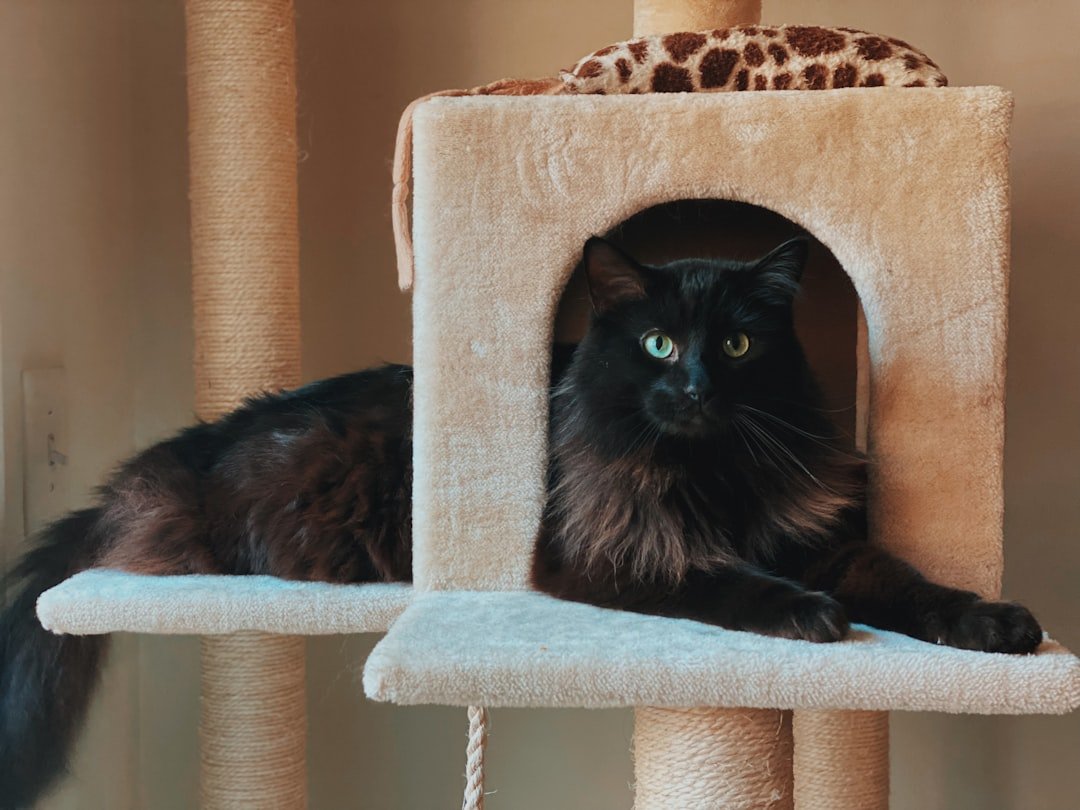
The best cat tree for large cats is usually a weight rated and sturdy model with a broad base, thick scratching posts, large beds, and platforms that do not sway under a running jump. When shopping for the best cat tree for large cats, prioritize construction and usable platform space over a very tall design with lots of small cubbies.
Big cats put more force into a cat tree than their weight alone suggests. A 16-pound cat landing from a high perch creates a sharp impact, and a fast chase with another cat can twist a lightweight frame sideways. That is why a tall tower that looks impressive in a product photo may be a poor fit if it has narrow posts, a small footprint, or thin particleboard shelves.
What makes the best cat tree for large cats sturdy
Stability begins with the base. A stable cat tree needs a base that is broad enough to resist tipping when your cat climbs near an outer edge, leans against a post, or jumps down from the top. Heavier is usually better. A wide square or rectangular base generally gives more stability than a tall, narrow tower with the same advertised weight limit.
Post thickness and the way posts attach to each level matter just as much. Thick, tightly fitted support posts are more reassuring than slim tubes covered in plush fabric, especially on a tree over about 5 feet tall. Many product listings show the diameter of sisal-wrapped posts, which is useful because larger cats often put their full body weight into scratching and climbing.
Wood and engineered wood panels are common in cat furniture. Quality varies. Dense, well-finished boards with secure bolts can hold up well, while thin panels may flex over time around screw holes and connection points. You cannot judge every internal component online, so customer photos and reviews that mention long-term stability are often more useful than polished listing images.
Weight ratings are helpful, but read them carefully. Some brands list a maximum total load for the whole tree, while others list a limit for one hammock, basket, perch, or shelf. Those are different claims. A 50-pound overall rating does not mean every suspended bed is safe for a 20-pound cat.
If you have more than one cat, add their likely combined weight and leave a margin. Cats also use furniture dynamically. A sensible target is a tree whose stated capacity comfortably exceeds the total weight of cats likely to occupy it at once, especially if they enjoy chasing each other up the structure.
Choose platforms your cat can actually use
A tall perch is not much use if a cat cannot settle on it comfortably. Large cats need enough room to turn around, stretch out, and settle without balancing on the edge. For a broad-bodied adult, a platform around 16 inches square or wider is often more practical than the small round top perches seen on compact condo-style trees.
Round beds can work if the inner sleeping area is genuinely roomy and the rim is firm enough to support a cat getting in and out. Check the interior dimensions rather than the outside diameter. Thick padding and raised sides reduce usable space, which can make a bed that sounds large on paper feel cramped for a big cat.
Hammocks deserve extra scrutiny because their mounting hardware takes repeated stress whenever a cat drops into them. A fabric hammock may have a lower individual rating than the tower itself. If your cat is heavy, likes forceful jumps, or dislikes movement underfoot, a fixed shelf with a washable cushion is usually the safer practical choice.
Enclosed cubbies can be appealing, but many are too tight for larger breeds and large mixed-breed cats. Look for internal measurements, not labels such as “large” or “XL.” Your cat should be able to enter without ducking awkwardly, curl up comfortably, and leave without backing out in a hurry.
The route between levels also affects daily use. Platforms placed like a ladder make climbing easier for an older cat or a cat with limited confidence, while widely spaced levels may suit athletic jumpers but exclude a cat that prefers a gradual ascent. The tree should fit your cat rather than become an obstacle course.
Height versus stability
More height gives cats a useful elevated view, but it also changes how force travels through the furniture. Each added level raises the center of gravity and increases the leverage on joints, bolts, and the base when a cat launches upward.
For one large cat, a medium-height tree with wide shelves can be a better purchase than a very tall tower packed with dangling toys and narrow ledges. A tree around 4 to 6 feet can offer plenty of climbing and viewing space when the layout is good. More height is not automatically more useful.
Wall anchoring can add reassurance for a tall tree, particularly in homes with energetic cats, children, or uneven flooring. Use the included anti-tip hardware when it is supplied, and follow the maker’s instructions. Weak adhesive strips or a loose cord tied to furniture are not reliable substitutes.
A flat, hard surface is ideal for placement. Carpet can hide a little movement, but it does not fix a weak base. If the tower rocks when you press lightly against an upper post, recheck every fastener before letting your cat use it.
Materials that hold up to daily use
After a few months of scratching and jumping, the condition of the covering and connections becomes easier to judge than the original appearance. Sisal rope remains one of the better scratching surfaces because many cats can grip it well, and it is commonly used on structural posts. It wears down. That is normal, especially when a large cat scratches hard in the same area every day.
Check whether the rope wraps tightly around the post and whether loose ends are tucked away. Gaps, frayed loops, and detached rope can catch claws. Replacement parts are a real advantage if a manufacturer sells posts, cushions, or individual scratching sections separately.
Plush covering is soft, but it can conceal damage. Inspect seams, staples, and edges when the tree arrives. A few loose fibers are not unusual, yet fabric pulling away from a platform edge or exposing sharp hardware is a reason to stop using that part until it is repaired or replaced.
Wood-look surfaces and removable cushions can be easier to clean than fully carpeted towers. Hair, tracked litter, and occasional hairballs are easier to manage when you can vacuum seams and wash a cover without taking apart the entire tree.
How to read listings without getting misled
Height, color, and the number of resting spots are often the first details in a product listing, but they are rarely the most useful ones for a large cat. Focus on base width and depth, overall weight, post diameter, platform dimensions, cubby interior size, and the stated load limits for each suspended component.
Look through customer photos for scale. A listing photo may show a small cat on a perch, which can make a platform appear larger than it is. Photos of adult cats with a stated approximate weight can offer useful context, though individual body shapes still vary.
Research-based comparisons should also include reviews that mention assembly and maintenance, rather than only star averages. Repeated reports of stripped screws, unstable top platforms, torn hammock attachments, or unclear instructions deserve attention. One isolated complaint may be a shipping issue. A repeated pattern is more meaningful.
Actual product examples can help narrow the search. The FEANDREA 67-inch Multi-Level Cat Tree and Yaheetech 69-inch Multi-Level Cat Tree are common budget-to-midrange options, but their platform and hammock dimensions should be checked carefully for a larger cat. For shoppers seeking a more furniture-like, sturdier option, the PetFusion Ultimate Cat Climbing Tower is often worth comparing, although its layout may suit cats that prefer shelves over enclosed condos. Models and specifications can change, so confirm the current dimensions, included anti-tip hardware, and component-specific ratings before buying.
Price often tracks size and material quality, but it is not a guarantee. Prices vary by region. Under about $100, expect simpler low-profile trees, lighter materials, and fewer genuinely roomy sleeping spaces; these can suit a calm large cat when the base is wide. Roughly $100 to $200 is often the practical range for 4- to 6-foot models with more usable shelves, thicker posts, and better multi-level layouts. Above about $200, buyers are more likely to find heavier construction, replaceable components, solid-wood or furniture-style finishes, and larger premium perches, though an expensive tall tower can still disappoint if the sleeping spaces are undersized.
Realistic trade-offs when buying
The heaviest and widest tree is not automatically the best fit for every room. A very heavy tree is usually harder to move, assemble, and clean behind, although extra weight often helps a large-cat tower stay planted during normal use.
More platforms create options for multi-cat homes, but they can make the structure crowded if each perch is small. Two genuinely roomy shelves are often better than several token ledges. Think about where your cats already sleep, scratch, and watch the room.
Large hammocks and basket beds can be cozy, but fixed perches usually feel steadier. Tall trees save floor space, while low and wide trees tend to feel more secure. Your room layout matters as much as the product dimensions.
Do not buy based on a breed label alone. A lean 18-pound cat and a rounder 18-pound cat may prefer different perch shapes and entry sizes. Measure your cat when relaxed, including body length and the space needed to curl up, then compare those numbers with the usable dimensions in the listing.
Set up and maintain a large-cat tree
Assembly quality has a direct effect on how a tree performs over time. Assemble the tree exactly as directed, tightening bolts fully but without damaging the threads. Keep the supplied tool. Check the connections again after the first week, then inspect them regularly because repeated jumping can gradually loosen hardware.
Put the tree where your cat already wants to be, such as near a window with a safe view or beside the family room. A sturdy tower placed in an unused corner may get less attention than a simpler one near familiar activity.
Encourage use with a favorite blanket or a small amount of catnip if your cat responds to it, but do not force a nervous cat onto the highest perch. Let your cat explore at their own pace. Remove dangling toys if they become tangled, damaged, or overly tempting to chew.
Replace the tree when it develops persistent wobble, broken panels, exposed fasteners, badly torn hammock fabric, or structural cracking. Cosmetic wear is one thing. A compromised support point is another.
Frequently asked questions
What weight rating should a cat tree have for a large cat?
Use the overall rating as a starting point, then verify the separate rating for any hammock, basket, or top bed your cat will use. If the listing does not distinguish these limits, contact the seller or choose a model with clearer specifications.
Are tall cat trees safe for large cats?
They can be safe when assembled on level flooring and secured with the supplied anti-tip hardware. Before purchase, compare the base footprint with the total height; a tall model with a narrow base deserves closer scrutiny.
Can a large cat use a hammock perch?
Yes, provided the hammock has a suitable individual load rating and secure attachment points. Watch how your cat enters it during the first few days, since forceful jumping creates more stress than quiet resting.
How often should I tighten a cat tree?
Check it after assembly and after the first week, then inspect it regularly. More frequent checks are sensible in multi-cat homes or when cats use the tree for active play.
Related posts
This post is for general informational purposes only and is not veterinary advice. Every cat is different — if you have concerns about your cat’s health or behavior, please consult a qualified veterinarian.