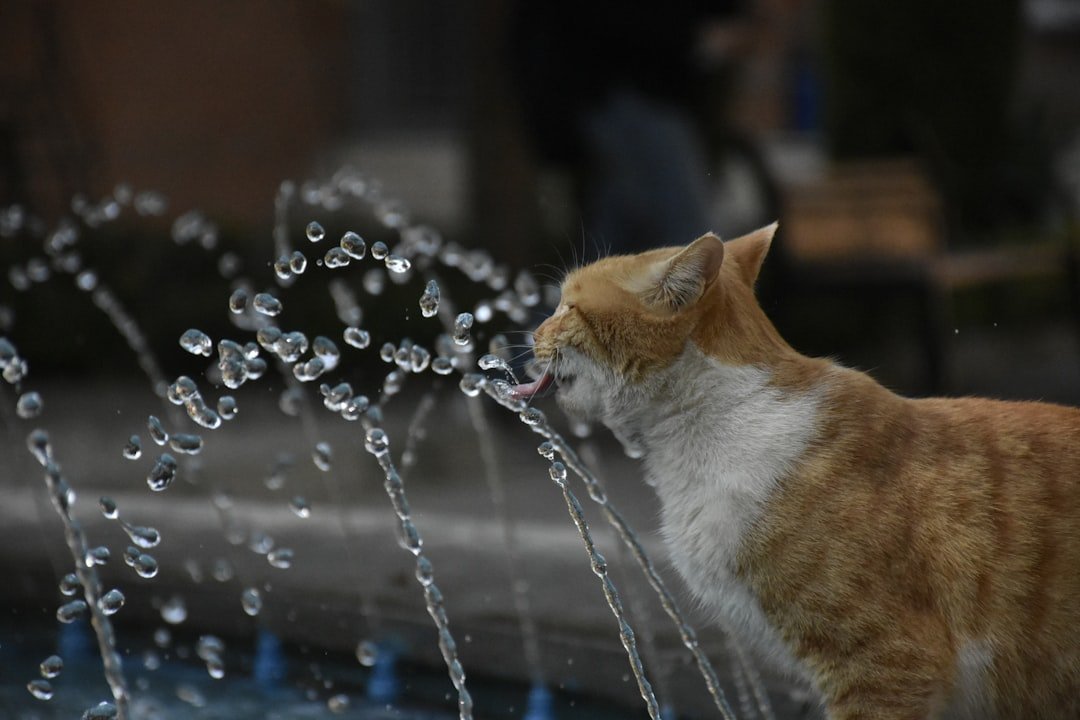
Ask your veterinarian whether a fountain fits your cat’s current kidney care plan before you buy one. The best cat water fountain for kidney disease is usually a quiet, easy-to-clean model that your cat will actually drink from, rather than the one with the most filters or the strongest flow. A fountain can make water more appealing to some cats, but it does not treat kidney disease or replace veterinary care.
Cats with chronic kidney disease often produce more dilute urine and may drink more to compensate. Easy access to fresh water matters. Still, some cats dislike moving water, motor noise, narrow bowls, or the feel of a particular material. A good purchase starts with your cat’s preferences and the practical question of whether you can clean the unit on schedule.
Best cat water fountain for kidney disease features
There is no single fountain that veterinarians recommend for every cat with kidney disease. The useful features tend to be simple: dependable water availability, a drinking surface that feels comfortable, and parts that are easy to wash. Your veterinarian may also have advice based on your cat’s hydration status, medications, appetite, blood pressure, mobility, or history of urinary problems.
Prioritize a broad, open drinking area. Many cats prefer being able to drink without pressing their whiskers against a deep or narrow rim. Look for a fountain with a shallow basin or a separate open bowl section. A cat that avoids the fountain because the basin feels awkward gains no benefit from its filtration system.
Choose a gentle flow with adjustable settings when possible. A soft stream or bubbling surface is often less startling than a tall spout. Stronger flow can splash, make noise as the water level drops, and scatter water beyond the mat. Adjustable flow also gives you room to test what your cat accepts.
Capacity matters, but a bigger reservoir is not always better. A large tank reduces refill frequency, which is helpful in a multi-cat home or when workdays are long. It can also make it easier to miss a change in water use. For a cat with kidney disease, noticing a sudden increase or decrease in drinking can be useful information for the veterinary team. Refill on a regular routine and pay attention to what remains.
Easy cleaning is a health and ownership issue, not a luxury feature. Water fountains collect saliva, food dust, mineral film, and biofilm in pumps and narrow channels. Pick one that comes apart without tools and has replacement parts you can readily find. If the pump needs a tiny brush, make sure the brush is included or easily replaced.
What vet-recommended features usually mean
When people look for vet-recommended features, they are often looking for reassurance that a fountain supports hydration. In practice, a veterinarian is more likely to care about whether the fountain keeps clean water available, whether the cat drinks from it, and whether it fits the cat’s overall care plan. A fountain is a convenience tool. It is not a medical device unless a manufacturer has specifically documented a regulated medical purpose.
These are the features most worth checking in product listings, manuals, and customer support pages:
- Low-water protection: A pump that shuts off or alerts you when the reservoir is low can reduce the chance of a dry-running pump. Confirm how the alert works. Some lights are easy to miss in bright rooms.
- Visible water level: A clear window or open basin lets you check water without dismantling the fountain. This is more useful than an app for many households.
- Quiet operation: Cats can be sensitive to hums and vibration. Look for descriptions of pump noise, but treat customer reviews as clues rather than proof. Noise can change when the fountain sits unevenly or runs low.
- Food-safe materials: Stainless steel and ceramic are popular because they have smooth surfaces and can be straightforward to wash. BPA-free plastic can also work, though scratched plastic may need replacement sooner.
- Accessible replacement parts: Check the cost and availability of filters, pumps, seals, and cleaning brushes before purchase. A fountain is less useful if a small failed part turns it into waste.
Filters can improve the look and smell of water by catching debris and, in some designs, using activated carbon. They do not make neglected water safe indefinitely, remove all dissolved substances, or replace routine cleaning. If your cat has a prescribed water-related recommendation, ask the veterinary team before assuming a standard filter addresses it.
Choose the fountain style your cat can use
| Fountain style | Best fit | Trade-off to check |
|---|---|---|
| Open stainless steel basin | Cats that prefer a wide, visible drinking surface and homes that want simple washing | May show water spots and can transmit pump vibration if poorly designed |
| Ceramic fountain | Cats that dislike lightweight bowls or households wanting a heavier base | Heavy to handle, breakable if dropped, and some designs have hard-to-reach internal channels |
| Plastic reservoir fountain | Homes that need a lighter unit or larger capacity at a lower upfront cost | Inspect for scratches, hidden seams, and whether every part can be cleaned |
| Battery or cordless-pump model | Rooms where a trailing cable is inconvenient or where intermittent flow is acceptable | Battery charging, lower run time, and whether water still remains available when power is low |
Material alone does not decide whether a fountain is right. A well-made plastic unit that is cleaned consistently can be a better practical choice than a ceramic model with a complicated pump housing. Likewise, stainless steel is not automatically quiet. Read the manual photos closely and look for diagrams that show how the pump, tube, filter, and reservoir separate.
A continuous-flow fountain keeps the water moving all day. It may appeal to a cat that seeks running taps, but it uses more power and may create more motor wear. Intermittent modes save energy and can be quieter overall, yet some cats arrive when the water is still. If you choose an intermittent model, make sure there is always a pool of water available in the basin.
For cats with arthritis or reduced mobility, placement can matter as much as the unit. A stable fountain on a non-slip mat may be easier to approach than a tall model that wobbles. Some cats drink more comfortably from a slightly raised bowl, while others prefer ground level. Do not force a change if your cat already drinks reliably from an accessible bowl.
Realistic trade-offs before you buy
Every fountain asks for maintenance. The more hidden chambers, lights, sensors, and tubing it has, the more parts can collect residue or fail. A basic fountain with a removable pump and a visible basin is often easier to live with than a smart model that sends reminders but is awkward to scrub.
App-connected fountains can log refill events or send low-water notifications. That may help a busy household, but it does not accurately measure an individual cat’s intake in a shared home. Spills, evaporation, another pet, and a curious paw can all distort the record. If your veterinarian asks you to monitor drinking, use the method they recommend and provide separate water stations when practical.
Replacement filter costs deserve attention. Some fountains use proprietary cartridges that need frequent replacement according to the manufacturer’s schedule. Others use simple foam and carbon inserts. Prices vary by region and change over time, so check official replacement listings before committing. Also check whether the fountain can run safely for a short period while you wait for a filter delivery, and follow the manufacturer’s instructions.
Consider the cord. A wall-powered fountain should have a protected cable route and a dry outlet area. Keep the electrical connection away from spills. If your cat chews cords, choose a safer placement or discuss other water options. A fountain should never create a household hazard in the name of hydration.
Set up a fountain without reducing water choices
Keep at least one regular water bowl available when introducing a fountain. This gives a cautious cat a familiar option and prevents an all-or-nothing transition. Place the fountain away from the litter box and, if possible, away from food. Some cats prefer water in a separate quiet location.
Start with the fountain switched off if your cat seems wary. Let your cat investigate the bowl, then turn on the gentlest setting later. Do not place the fountain beside a noisy appliance or in a busy hallway. A calm location often matters more than a premium finish.
Wash the fountain before first use, then follow the cleaning schedule in its manual. In many homes, the bowl and exposed surfaces need frequent washing, while pumps and internal channels need regular deep cleaning. Water hardness, food debris, and the number of pets affect how quickly residue builds up. If you see slime, discoloration, debris, or a changed odor, clean it promptly and replace filters as directed.
Use the water your veterinarian has advised for your cat. Most healthy household setups use fresh tap water, but local water quality and individual medical plans differ. Do not add flavorings, electrolyte products, broth, or supplements to the fountain without veterinary guidance. Added ingredients can discourage drinking if they spoil, and they can complicate intake tracking.
When a fountain is not the right answer
Some cats plainly prefer still water. That is fine. Several clean ceramic or stainless steel bowls, refreshed often and placed in different safe locations, may work better. Wide bowls can be especially helpful for cats that dislike their whiskers touching the sides.
A fountain also cannot solve a sudden change in thirst, urination, appetite, vomiting, weakness, or behavior. Kidney disease can change over time, and these signs can have several causes. Contact a veterinarian promptly if you notice a meaningful change, particularly if your cat is drinking far less than usual or seems unwell.
If your cat has already been diagnosed with kidney disease, bring practical questions to the next appointment: Should you track water use? Does your cat need multiple water stations? Are there feeding or medication routines that affect where water should go? Those answers will guide the purchase better than a product rating alone.
Frequently asked questions
Do water fountains help cats with kidney disease drink more?
Some cats drink more readily from moving water, while others prefer a still bowl. A fountain may encourage drinking if your cat likes its sound, flow, and bowl shape. It cannot guarantee increased intake, and it does not replace the treatment plan set by your veterinarian.
Is stainless steel better than ceramic for a kidney cat?
Either can be a sensible choice if it is stable, easy to clean, and accepted by your cat. Stainless steel is lighter and less breakable. Ceramic is heavier but can chip or crack if dropped. Focus on cleanability, basin shape, and access to replacement parts.
How often should I clean a cat water fountain?
Follow the manufacturer’s instructions, then adjust for what you see in your home. Refreshing water and washing exposed surfaces frequently helps prevent buildup. Pumps, tubes, and internal pieces need regular cleaning because residue can collect where it is not visible.
Can I measure my cat’s water intake with a fountain?
You can track how much water you add, but that is not the same as measuring what one cat drank. Evaporation, spills, and other pets affect the number. Ask your veterinarian for the most useful tracking method if intake monitoring is part of your cat’s care.
Related posts
This post is for general informational purposes only and is not veterinary advice. Every cat is different — if you have concerns about your cat’s health or behavior, please consult a qualified veterinarian.