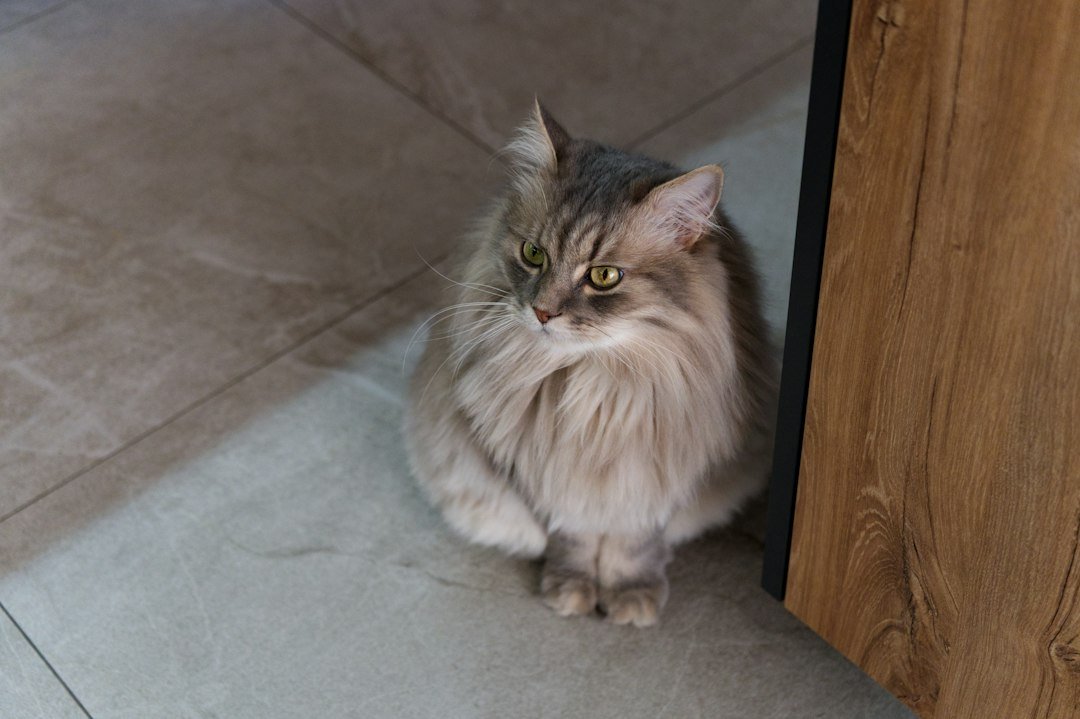
A common misconception behind “why does my cat always meow at the door?” is that a cat is simply being stubborn. Usually, your cat is communicating a want or a learned expectation, and the door has become the place where that message gets results. Doors matter to cats. They separate your cat from a room, a person, outdoor smells, another pet, or a routine they expect to happen at a certain time.
If you are asking why does my cat always meow at the door, start with what happens immediately before and after the meowing. A cat who calls at the bedroom door before dawn may want company or breakfast, while one who cries at the patio door after seeing a bird may be excited, frustrated, or asking to go outside. Context tells you more. The same sound can mean different things at different doors.
Why does my cat always meow at the door?
The most common reason is simple: your cat wants in or out. Cats like control over access to their preferred spaces, especially rooms where people sleep, food is prepared, windows offer a view, or another animal spends time. Closed doors remove that control. A cat may also meow because they have learned that calling, scratching, or sitting by the door causes someone to get up and open it.
That learned pattern can become very strong. If you open the door after five minutes of meowing one day and after two minutes the next, your cat has learned that persistence works, even if the timing is unpredictable. Cats repeat what pays off. This is why occasional “just this once” door opening can keep the habit going for weeks.
Some door meowing is social. Your cat may hear you moving around and want to be near you, particularly if a closed door separates them from their usual person. Other cats dislike being shut out of a room because they want to check it, sniff it, or keep track of household activity. Curiosity is normal. Indoor cats often pay close attention to changes in their territory.
What your cat may be asking for
A door can mean outdoor access, but it can also mean a familiar indoor destination. Look at where your cat goes when the door opens. If they walk straight to a food bowl, litter box, sunny window, or person, that destination is probably the real request. The door is only the obstacle.
- Access to a person: Your cat may want company, petting, play, or simply to rest nearby. Quiet companionship counts.
- Access to a room: A bedroom, office, laundry room, or bathroom may contain a preferred bed, warm floor, window, or hiding place.
- Outdoor interest: Wildlife, neighborhood cats, fresh scents, and moving leaves can make a door very exciting. This is common.
- A routine cue: Your cat may associate a door with meals, evening patio time, a returning family member, or a play session.
- Separation from resources: A closed door may block the litter tray, water, food, or a safe resting area. Check this first.
Pay attention to body language as well as sound. A relaxed cat with an upright tail may be making a straightforward request, while a tense cat with flattened ears, a twitching tail, or repeated pacing may be overstimulated or upset by something outside. Watch quietly. Do not force interaction when your cat is agitated.
If your cat vocalizes at a front door or window after spotting another cat outdoors, this can be territorial arousal. They may stare, chatter, yowl, pace, or redirect their frustration toward nearby pets. Keep distance between household cats if tempers rise. Closing blinds or using privacy film on the lower part of a window can reduce repeated visual triggers.
Wanting in or out is not always the whole story
Some cats want the door opened and then do not go anywhere. This is frustrating, but it often means the opening itself was the goal. Your cat may want to inspect the hallway, smell air moving under the door, confirm where you are, or have the option to choose. Choice matters.
Outdoor-door meowing needs a little more care. A cat that goes outside unsupervised may face traffic, fights, parasites, toxins, getting lost, and other local risks. An open door can also create an easy escape route. Use a secure carrier when leaving for appointments, and consider supervised outdoor time, a secure cat enclosure, or a properly fitted harness if your cat enjoys being outside and can be trained gradually.
Do not assume every cat wants a walk. Many cats find harnesses or unfamiliar outdoor spaces stressful, and some will freeze, panic, or wriggle free if equipment does not fit well. Start indoors. Let your cat wear the harness briefly with treats or a favorite toy nearby before you even consider going outside.
An intact cat may also call at doors because they detect potential mates outside or have a stronger urge to roam. The sounds can be louder and more persistent than ordinary attention meows. Speak with a veterinarian about appropriate options for your individual cat. Hormones can affect behavior.
How to respond without teaching more door meowing
The best response depends on what your cat needs, but consistency is the key. First make sure your cat has easy access to essentials, then decide which door requests you will honor and which you will not. Mixed rules confuse cats. A bedroom door that opens only after loud meowing may become a nightly argument.
- Check the basics. Make sure your cat can reach fresh water, a clean litter box, a comfortable resting spot, and a safe place away from household stress. Start here.
- Identify the pattern. For several days, note the door, time, trigger, and what your cat does after it opens. Keep it simple.
- Meet the real need early. If your cat asks for play before dinner, schedule a short interactive play session before the usual meowing begins. A wand toy works well for many cats.
- Reward quiet behavior. Wait for a brief pause in meowing, then open an appropriate door or offer attention. Even two quiet seconds is a start.
- Use a predictable alternative. If a room must stay closed, offer a bed, food puzzle, perch, or play session elsewhere before closing it. Give your cat another place to go.
Timing changes the lesson. Opening a door while your cat is actively yelling can teach that yelling opens doors, while waiting for a calm pause helps your cat connect quiet behavior with the result you want. Be patient. At first, some cats meow more intensely because their old strategy is no longer working.
That temporary increase is one reason people give up too soon. If you have decided the bedroom stays closed overnight, prepare before bed with play, a small meal if it fits your feeding routine, a clean litter box, and a comfortable sleeping area outside the room. Then keep the boundary consistent. Do not punish your cat for vocalizing.
Yelling, spraying water, banging on the door, or pushing a cat away can make anxiety worse and may damage trust. It does not explain what you want instead. Calm redirection works better. Offer attention and rewards when your cat is quiet, settled, or using an approved place to wait.
Make closed doors easier
When a door must remain closed, give your cat useful alternatives on their side of it. A raised perch near a window, a cardboard box, a scratching post, or a small food puzzle can occupy some cats during busy household times. Keep expectations realistic. No toy will replace access to you if your cat is lonely or distressed.
For a cat who meows at an office door, try planned breaks before they start calling. Spend five or ten minutes playing, tossing a few pieces of their regular food for a simple search game, or sitting with them before you close the door again. Brief contact can help. The goal is to make your schedule less mysterious.
If two cats are separated by a door, do not assume they are friends simply because one meows to get through. Look for relaxed postures, normal eating, and calm movement around each other when they are together. Hissing, stalking, blocking access, or fighting calls for slower management. Separate resources can reduce tension in multi-cat homes.
When a vet visit is sensible
New or suddenly increased vocalizing deserves attention, especially if it comes with changes in appetite, thirst, litter box habits, sleep, mobility, grooming, or willingness to interact. A cat may meow at a door because they are uncomfortable, confused, or trying to reach something they now need more often. Sudden change matters. A veterinarian can assess health concerns and help rule out physical causes.
Older cats may become more vocal for several reasons, and behavior changes are not something to dismiss as “just aging.” If your cat seems disoriented, cries at night, stares into space, or has trouble settling, arrange a veterinary conversation. Bring notes or a short video if you can safely take one. Details help.
Seek prompt veterinary advice if door meowing occurs alongside straining to urinate, repeated trips to the litter box with little output, breathing difficulty, collapse, severe lethargy, or signs of pain. Those signs need more than behavior tips. Do not wait to see whether a new routine fixes them.
Frequently asked questions
Why does my cat meow at my bedroom door at night?
Your cat may want access to you, expect breakfast, have energy left over, or dislike being separated from their normal sleeping spot. Nighttime is quiet, so small noises and routines can feel more noticeable to a cat. Keep bedtime predictable. A play session followed by a meal can help some cats settle, but avoid opening the door during active meowing if you want the boundary to remain in place.
Should I ignore my cat meowing at the door?
Only ignore it after checking that your cat is safe and has access to essentials. If the meowing is a learned request for a closed room, a calm and consistent response can reduce reinforcement of the noise. Safety comes first. Never ignore sudden vocalizing paired with illness signs, distress, or a blocked route to food, water, or the litter box.
Why does my cat want out, then immediately want back in?
Cats often want to check conditions on both sides of a door rather than stay in one place. Outdoor scents change quickly, and a hallway or patio may be interesting for a minute before your cat prefers the comfort of home again. This is common. If outdoor access is involved, manage it safely rather than repeatedly leaving an exterior door open.
Can I train my cat to ring a bell at the door?
Some cats can learn to touch a bell or button when they want a door opened, but it may create more requests rather than fewer. Use it only if you are able to respond consistently and safely. Start with an indoor door. Reward a gentle touch, then decide when access is appropriate rather than treating every signal as an automatic yes.
Related posts
This post is for general informational purposes only and is not veterinary advice. Every cat is different — if you have concerns about your cat’s health or behavior, please consult a qualified veterinarian.