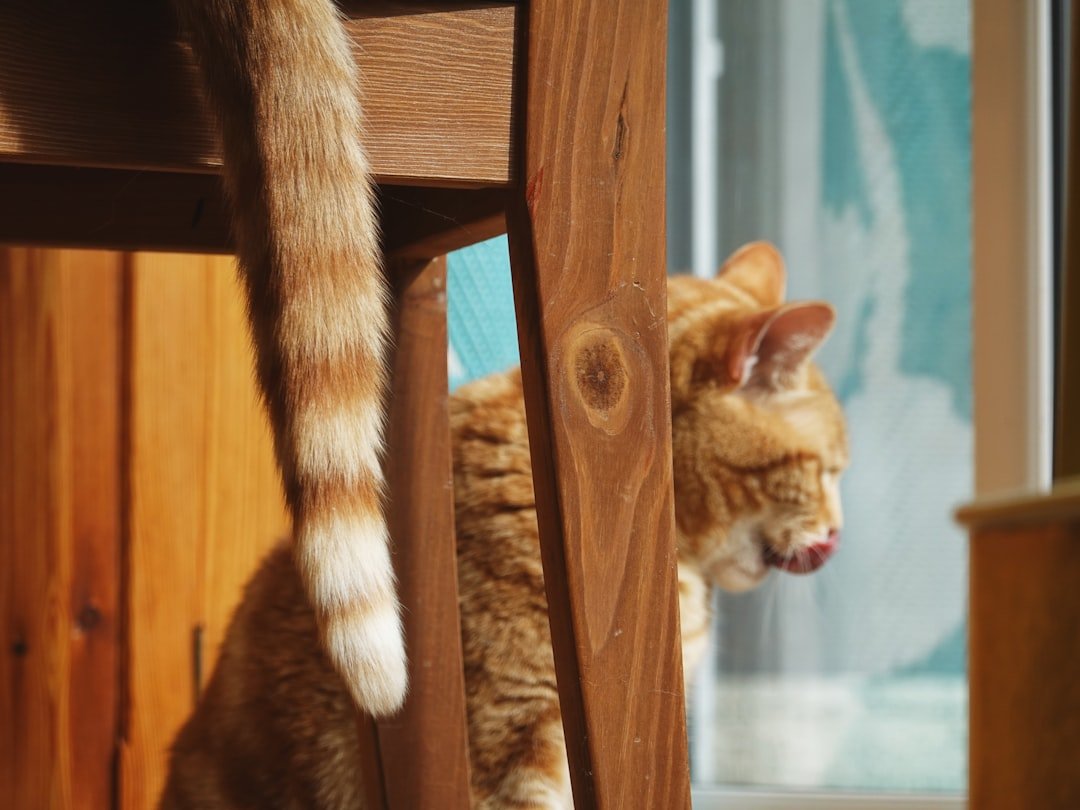
A common misconception is that cats scratch furniture to be naughty or to get back at someone. They do not. Scratching is normal cat behavior: it helps maintain the outer nail sheath, stretches the body, leaves scent and visual marks, and can be part of a cat’s routine after resting. To learn how to stop cat scratching furniture, do not try to stop scratching altogether. Make the furniture less appealing while giving your cat a scratching surface that feels better and sits where they actually want to use it.
Why cats choose furniture
A sofa arm, chair leg, rug edge, or bed base can be very satisfying to scratch. Upholstery has resistance under the claws. Wood has a firm vertical surface. Rugs often work for cats that prefer to scratch horizontally. Furniture also tends to be in socially important parts of the home, such as the living room, hallway, or the place where the family gathers.
Location matters as much as the scratching post itself. A post tucked into a quiet spare room may look perfect to you, but it may be useless to a cat who likes to scratch near the sofa after a nap. Cats often scratch after waking, after using the litter tray, during play, or when they are excited by someone arriving home. Watch when and where the behavior happens before buying more supplies.
Sudden changes deserve attention. A cat that has always used a post but abruptly starts scratching new places may be reacting to a change in routine, a new pet, a moved piece of furniture, or discomfort that makes their usual setup awkward. If the change is sharp, persistent, or comes with other changes in appetite, mobility, litter box habits, or mood, contact a qualified veterinarian for advice.
How to stop cat scratching furniture with better options
The best scratching alternative matches your cat’s preference for direction, texture, height, and stability. Many cats want more than one type. A tall sisal post is useful for a cat that reaches up the side of a couch. A flat cardboard scratcher may suit a cat that works at the rug. Some cats prefer corrugated cardboard, carpet-like material, wood, or tightly woven sisal.
For a vertical post, choose one that does not wobble. It should be tall enough for your cat to stretch fully while scratching. For many adult cats, that means a post around 30 inches tall or taller, though a smaller cat may be comfortable with less. A heavy base matters. If the post tips once, some cats will avoid it afterward.
Put the first new scratching surface directly beside the damaged furniture. This is not a failure of interior design. It is a training step. Once your cat uses it reliably, you can move it gradually if needed, a few inches at a time over several days. Keep another scratcher close to favored resting spots and another near an entrance or busy room if your cat scratches there.
If your cat targets one couch arm, place a vertical post flush against that arm or use a furniture-mounted scratching panel designed to stay secure. If they scratch a carpet corner, place a heavy horizontal scratcher over that spot or immediately beside it. The replacement should be easier to reach than the furniture.
Help your cat notice the new scratcher
Make the preferred surface part of pleasant daily moments. Place a few treats on or near a horizontal scratcher. Dangle a wand toy alongside a vertical post so your cat naturally puts their paws on it. You can also rub a little catnip on the scratcher if your cat responds well to catnip. Not all cats do, especially kittens and some adults.
Do not take your cat’s front paws and force them to scratch the post. Many cats dislike being handled that way, and it can make the post feel unpleasant. Instead, wait for your cat to touch or scratch it on their own, then calmly reward that choice with a treat, praise, or a short play session. The reward needs to happen right away so the connection is clear.
Use effective deterrents on the furniture
Deterrents work best as temporary protection while the new scratching option becomes a habit. They should make the furniture less comfortable to scratch without frightening, hurting, or trapping the cat. Pair every deterrent with an approved scratching surface placed close by. Otherwise, your cat may simply choose another chair.
- Double-sided furniture tape: Many cats dislike the sticky feel on their paws. Use tape made for furniture when possible, and test it on an inconspicuous area first because finishes and fabrics vary.
- Clear furniture guards: These plastic panels cover vulnerable sofa corners or chair arms. They are useful when a cat repeatedly returns to one exact spot.
- Temporary texture changes: A tightly secured cover or a smooth protective layer can make a favored area less satisfying. Do not leave loose material that could be chewed, tangled around a limb, or pulled down.
- Block access when unsupervised: Closing a room, using a safe barrier, or covering the item for a short period can break a well-established habit while training is underway.
Avoid punishment-based deterrents. Yelling, spraying water, shaking coins, or chasing a cat away may interrupt scratching when you are present, but the cat is unlikely to understand what you wanted instead. It can also make your presence feel unpredictable. The behavior often continues when nobody is nearby.
Skip essential oils and strongly scented homemade sprays. Cats have sensitive noses, and some concentrated oils can be unsafe if inhaled, licked, or transferred onto fur. A physical barrier and a well-placed scratcher are more predictable choices.
Build a simple training routine
Training works through repetition, not one dramatic correction. For the first couple of weeks, make a point of noticing every good scratching choice. Keep small treats handy in the rooms where the problem happens. When your cat uses the post or pad, quietly mark the moment with a friendly word and offer a reward.
- Identify the furniture and exact surface your cat scratches most often.
- Place a sturdy scratcher of the matching orientation and texture right beside that area.
- Protect the furniture with tape, a guard, or a secure temporary cover.
- Invite your cat to the scratcher with play, treats, or catnip if appropriate.
- Reward voluntary scratching on the new surface immediately.
- If your cat starts on furniture, calmly redirect with a toy or treat toward the scratcher. Do not scold.
- Continue until the new surface is the usual choice, then reduce furniture protection gradually if it is safe to do so.
Consistency from everyone in the home helps. If one person permits scratching on an old chair while another tries to prevent it elsewhere, the rule is hard for a cat to read. Decide which items are off limits and which scratching surfaces are always available.
Keep claws and the home setup manageable
Regular nail trims can reduce the amount of damage from a stray scratch, although trimming will not remove the urge to scratch. Use cat nail clippers, work in a calm moment, and trim only the sharp hooked tip. Avoid the pink quick inside the nail. If your cat strongly resists handling or you are unsure where to cut, ask a veterinarian or qualified groomer to demonstrate.
Soft nail caps are another temporary option for some cats. They fit over trimmed claws and are usually replaced as they shed with the nail. They need correct sizing and regular checks, and many cats do not enjoy the application process. They are not a substitute for scratching surfaces, since the cat still has the urge to stretch, mark, and rake their paws.
More play and environmental variety can also reduce bored, repetitive scratching in some homes. Short interactive play sessions, safe climbing spaces, window views, and food puzzles give many cats other outlets for energy. These additions do not replace training, but they can make the home feel less frustrating for an active cat.
Declawing is not a behavior-training method. It is a surgical procedure involving removal of part of each toe, and it is restricted or prohibited in some places. If scratching damage feels unmanageable despite good setup and training, speak with a qualified veterinarian or a credentialed feline behavior professional about humane next steps.
Common mistakes that slow progress
The most common problem is buying one small post and placing it far away from the furniture. Another is choosing a post that shifts, falls, or has a texture the cat dislikes. Cats are often clear about their preferences, so let their behavior guide the setup rather than assuming every scratcher will work.
Removing all furniture protection too early can also lead to a quick return to the old spot. Leave the guard or tape in place while the new habit becomes routine. If your cat ignores a new scratcher, try changing one variable at a time: location first, then orientation, then material. This makes it easier to see what they prefer.
Expect a gradual change. A cat that has scratched the same sofa corner for months has practiced that choice many times. With an appealing alternative, temporary protection, and immediate rewards, many cats shift their habits steadily. Some will still need multiple scratchers throughout the home for the long term.
Frequently asked questions
How many scratching posts does a cat need?
There is no single number that suits every cat. Start with at least one sturdy option near each major scratching area, then add surfaces around sleeping spots or rooms your cat uses often. In a multi-cat home, provide enough options that one cat cannot easily guard the only good post.
Will a scratching post make my cat scratch more?
Your cat already has a need to scratch. A good post gives that behavior an appropriate target. At first, your cat may use it often because it is satisfying, which is exactly the goal. Furniture damage should become easier to manage when the post is in the right place and the furniture is protected during training.
Why does my cat scratch the sofa right after I feed them?
Scratching can be part of a transition between activities. Some cats scratch after eating, waking, using the litter box, or becoming excited. Put a scratcher near the sofa before the usual meal or routine, and reward your cat for choosing it during that predictable moment.
Can I use citrus spray to keep my cat away from furniture?
It is better to use a physical furniture guard or double-sided tape. Scent aversion is unreliable, can be unpleasant throughout the room, and some concentrated citrus or essential-oil products may create safety concerns. Check product instructions carefully and keep any cat product out of reach unless it is specifically made for feline use.
What if my cat scratches furniture only when I am out?
That usually means the furniture remains the easiest or most rewarding surface when nobody is there to redirect. Use a secure protective barrier, leave several stable scratchers nearby, and reserve a special safe treat or food puzzle for that time. Avoid setting up anything that could snag, fall, or frighten your cat while unsupervised.
Related posts
This post is for general informational purposes only and is not veterinary advice. Every cat is different — if you have concerns about your cat’s health or behavior, please consult a qualified veterinarian.