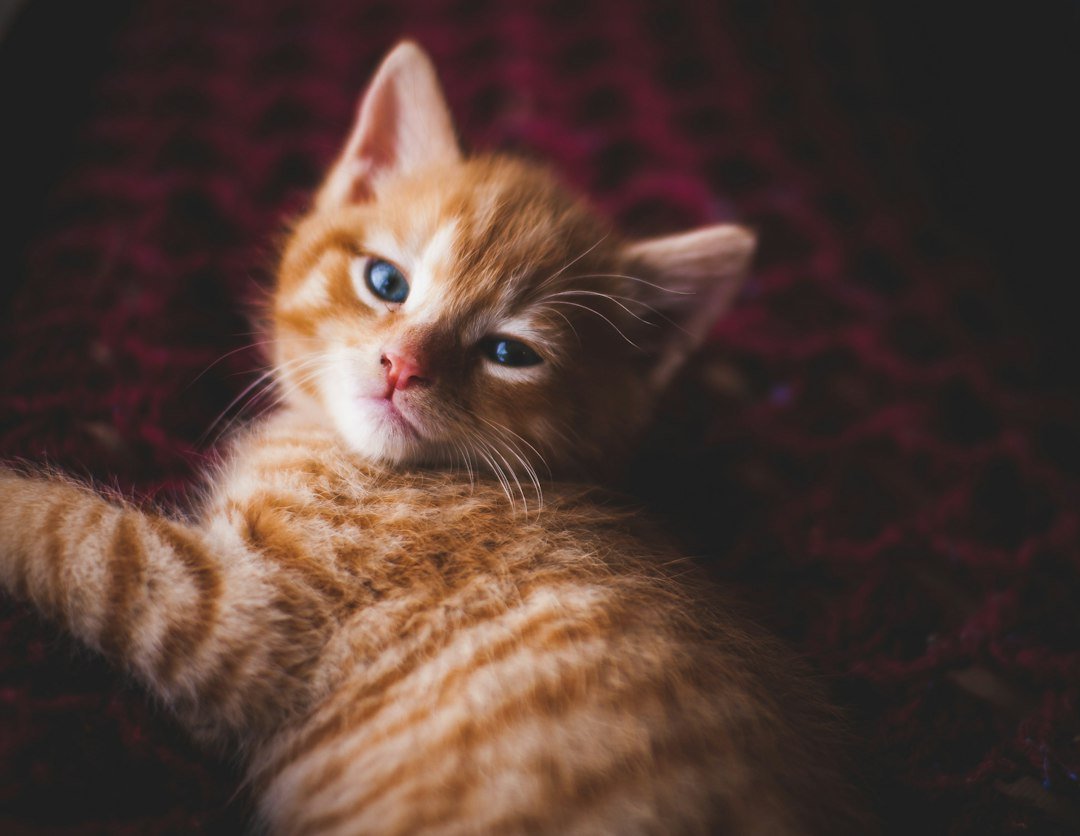
When your kitten is batting a toy under the sofa, you can begin teaching their name with one simple habit: say it once, then make a good thing happen. Keep it easy. Your kitten does not need to understand human language in the way people do. They need to learn that a particular sound predicts something pleasant, such as a small food reward, a favorite toy, or calm attention.
How to teach a kitten its name with positive reinforcement
A kitten’s name is best treated as a cue for attention. Say it, and your kitten learns to glance at you, come closer, or pause long enough to notice what you want. That is the goal. Positive reinforcement means you add something your kitten likes right after the behavior you want, which makes that behavior more likely to happen again in similar situations.
Choose one version of the name and stick with it during training. Short names are often easier to say clearly, but any name can work if everyone in the home uses the same sound. Consistency matters. If the kitten is called “Milo,” avoid switching constantly among Milo, Mister Milo, Fluffball, and Baby Cat while you are teaching the cue.
Set up a calm practice spot
Start in a quiet room where your kitten is already comfortable and there are few distractions. Sit nearby rather than looming over them. Stay relaxed. Have several tiny treats ready, or use a wand toy if play matters more to your kitten than food. The reward should be something your kitten genuinely wants at that moment.
Train when your kitten is awake but not wildly excited, hungry enough to care about a treat, and not busy with the litter tray, grooming, or eating a meal. Timing is the whole game. A tired kitten may ignore you, while an overstimulated one may hear the name but be too busy to respond.
Use this five-step routine
- Wait for a neutral moment. Let your kitten look away from you or explore quietly. Do not begin when they are already staring at you, because you want them to connect the sound of the name with turning toward you.
- Say the name once. Use a warm, normal voice. “Milo!” is enough. Repeating it several times can turn the name into background noise.
- Watch for any response. An ear flick, head turn, eye contact, or a step in your direction counts at first. Tiny progress counts.
- Reward immediately. Give the treat within a second or two of the response, or start a brief toy game right away. Your kitten needs to connect their action with the reward.
- Pause before trying again. Wait several seconds, then repeat. Stop after about five to ten attempts, even if the session feels like it is going well.
Two short sessions a day are plenty for most young kittens. Keep them brief. If your kitten starts responding more often to name calls in a quiet room, you can make the exercise a little harder.
Build up distractions slowly
Once your kitten usually looks at you in a quiet room, practice in another familiar room. Then try when a mild distraction is present, such as a toy resting nearby or another household member sitting quietly. Change one thing at a time. If your kitten stops responding, make the next practice easier rather than saying the name louder or more often.
Reward the best responses generously during this stage, especially when your kitten comes toward you from across the room. You can gradually give treats less often after the cue is reliable, but keep occasional rewards so the name continues to mean something good. A quick toss of a toy or a few seconds of play can also maintain the habit.
Common mistakes that slow name training
The biggest mistake is using the name mainly before something the kitten dislikes. Avoid calling your kitten by name immediately before nail trimming, putting them in the carrier, ending play, or taking away an object. Life still includes those moments. Just walk over calmly when needed, rather than making the name predict that every fun activity is about to end.
Do not use the name as a scolding word. “Milo, no!” said sharply can teach a kitten that hearing their name means tension in your voice. Keep the cue neutral or pleasant. If you need to interrupt unsafe behavior, redirect the kitten toward an appropriate toy or move them away without repeating the name.
Long training sessions can also backfire. Kittens have short attention spans, and they may walk away because they are full, sleepy, or interested in something else. Let them go. Ending before your kitten loses interest keeps the next session easier.
Make the name useful in daily life
Use the name before pleasant everyday events once your kitten has started responding during practice. Say it before putting down dinner, offering a treat, opening a play session, or inviting them onto a safe resting spot. Keep the pattern clear. Name first, then reward or interaction after they notice you.
It also helps to avoid calling a kitten repeatedly across the house when you cannot reward the response. If your kitten comes running and nothing happens, the cue may lose some value over time. A small reward does not always have to be food. A favorite chin scratch may be enough for some cats, while others prefer a tossed toy.
When to take a step back
Some kittens learn this cue quickly, while others need more repetition or a quieter setup. Personality plays a part. A shy kitten may respond with a small ear turn long before they feel comfortable walking over, and that is still a response worth rewarding.
If your kitten suddenly stops responding after they had been doing well, look at the setting first. New noises, visitors, hunger, fatigue, or a different reward can affect attention. If you have concerns about your kitten’s hearing, comfort, or a marked behavior change, a veterinarian can advise you on the next step.
Frequently asked questions
How long does it take for a kitten to learn its name?
Some kittens begin looking toward their name after a few short sessions, while others need days or longer before the response is consistent. There is no fixed timeline. Practice in a quiet place, reward fast, and judge progress by small changes such as ear turns or brief eye contact.
Should I use treats every time?
Use treats often while the name is new, because they make the connection clear. Later, mix in play, praise, petting if your kitten enjoys it, or an occasional food reward. Keep some rewards in the routine. A cue that never leads to anything pleasant can become easy to ignore.
Can I teach an older kitten its name?
Yes. The same positive reinforcement steps work with older kittens and many adult cats. Start simply. An older kitten may already answer to another sound or nickname, so choose the cue you want and reward every response to that cue consistently.
What if my kitten only responds when I have treats?
That is normal during early learning. Begin by showing the treat less obviously, such as keeping it in a pocket or on a nearby counter, then reward after your kitten responds. As the cue becomes familiar, alternate food with play or attention while still giving a treat now and then.
Related posts
This post is for general informational purposes only and is not veterinary advice. Every cat is different — if you have concerns about your cat’s health or behavior, please consult a qualified veterinarian.