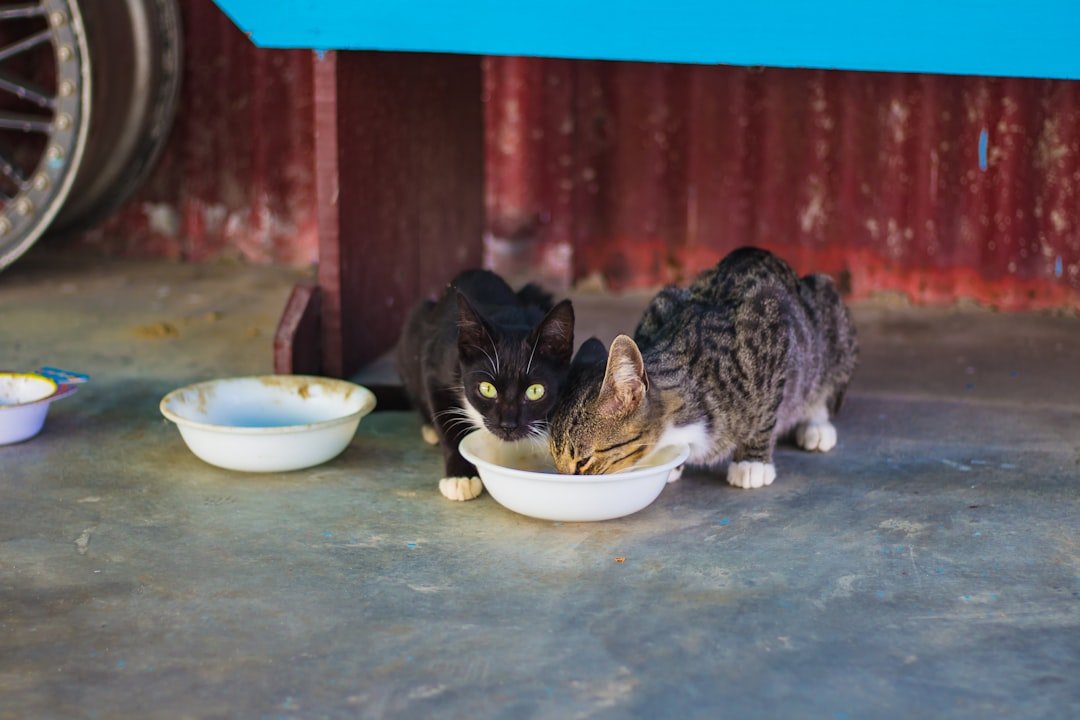
Your nursing cat is working harder than she ever has. What to feed a nursing cat matters enormously right now because her body is literally manufacturing nutrition for multiple kittens. The calorie needs after kittens are born skyrocket, and if you get it wrong, her health suffers first—and the kittens don’t get enough milk. Here’s what you actually need to know.
Quick Reference: Nursing Cat Nutrition Needs
| Nutrient | Why It Matters | Good Sources |
|---|---|---|
| Protein | Builds milk and maintains muscle mass during high energy output | Chicken, turkey, fish, beef in premium wet food |
| Fat (omega-3, omega-6) | Supports milk fat content and her neurological health | Fish oil, chicken fat, salmon in specialized formulas |
| Calories Overall | Prevents dangerous weight loss; fuel for milk production | High-calorie wet food, kitten formula (higher density) |
| Calcium and Phosphorus | Kittens draw these from milk; mom needs replacement | Bone meal, fish, commercial nursing-specific foods |
| Taurine | Essential amino acid; kittens depend entirely on her milk | Meat-based proteins, added in quality cat foods |
Don’t assume her regular adult food cuts it. Most people don’t realize the difference between maintenance feeding and nursing feeding costs real health consequences.
The Calorie Needs After Kittens Are Born: How Much More Food?
Here’s the reality. A nursing cat’s calorie needs after kittens are born increase by roughly 1.5 to 2 times her pre-pregnancy baseline depending on litter size. If she normally ate 200 calories daily, she now needs 300 to 400. Miss this mark and she’ll metabolize her own muscle, develop deficiencies, and produce less milk.
I’ve lived with cats for years, and I’ve watched nursing mothers lose dangerous amounts of weight because owners fed them the same portions as before kittens arrived. The mom gets thin, nipples become sore, and kittens cry constantly from hunger. It’s completely preventable.
Your vet can calculate her exact needs based on her current weight and litter size, but as a starting point, feed her premium kitten food instead of adult food during nursing. Kitten formulas contain higher protein and fat density—the calorie needs after kittens are born are actually built into that formula already. Offer it free-choice or in multiple meals throughout the day so she can eat when she’s hungry, not on a fixed schedule.
What to Feed a Nursing Cat: Food Type Breakdown
High-Quality Wet Food (Primary Option)
Wet food is superior for nursing cats because it contains more moisture and calories per serving, and she absorbs nutrients faster. Look for formulas listing actual meat first, not meat meal or by-products. She needs digestible, bioavailable nutrition now more than ever.
Kitten Formula (Not Adult)
What to feed a nursing cat should lean heavily toward kitten food during the nursing period. Kitten formulas have higher fat and protein percentages designed for rapid growth—which is exactly what her milk production demands. Switch her back to adult food once kittens are weaned, usually around 8 to 10 weeks.
Limited Dry Food (Supplementary)
You’d think dry food would be convenient for nursing cats—it usually isn’t ideal as the main diet. Dry kibble is calorie-dense, yes, but nursing cats need moisture intake to stay hydrated while producing milk. If you do use dry food, choose premium kitten formula and always provide fresh water alongside it.
Supplemental Broths and Bone Broth (Optional)
Adding unsalted bone broth to her meals boosts hydration and provides additional minerals she’s losing through milk production. Keep it plain—no garlic, onions, or salt.
Checklist: Before You Choose a Nursing Cat Food
- Confirm she’s actually nursing—some kittens are bottle-fed from birth, changing nutritional needs completely
- Know her current weight and the number of kittens she’s feeding
- Check the food label: protein should be 30 percent or higher, fat 15 percent or higher
- Verify first ingredient is meat, not grain or meat meal
- Ensure taurine is listed separately (not just assumed from meat content)
- Ask your vet whether she has any health conditions requiring special formulas
- Watch her body condition weekly—ribs should be palpable but not visible
Step-by-Step Transition to Nursing-Specific Feeding
Condition: Your cat just gave birth or is actively nursing kittens. Audience: Cat owners feeding standard adult diets who need to switch immediately. Method: Gradual transition prevents digestive upset while supporting rapid nutritional adjustment. Here’s where most cat owners give up—they overthink it.
- Stop feeding her pre-pregnancy adult food entirely and switch to kitten formula wet food, starting immediately after delivery
- Offer food in three separate bowls throughout the day instead of one or two—she’ll eat more frequently when offered choice
- Add warm water to wet food portions to increase moisture and calorie absorption
- Introduce a second protein source (different meat) within the first week to ensure varied amino acid intake
- Monitor her weight every 3 to 4 days; if she’s losing weight despite increased food, contact your vet—she may have an infection or complication
- This is the part that actually matters: keep her in a quiet space with kittens, water, and food nearby so she doesn’t have to leave them to eat
- Gradually reduce meal frequency back to twice daily once kittens start solid food around 4 weeks, but keep portions large
Common Mistakes When Deciding What to Feed a Nursing Cat
I’ve seen so many cat owners underfeed nursing mothers because they think the kitten food will make them overweight. It won’t. The energy expenditure from milk production is massive. Another mistake: switching brands too quickly. Stick with one formula for at least 7 to 10 days before trying another, or you’ll mask digestive issues.
Avoid fish-based foods exclusively. While fish is nutritious, some cats on long-term fish diets develop thiamine deficiency or fish toxemia. Rotate between chicken, turkey, and fish-based formulas for balance.
Don’t skip calcium supplementation if your vet recommends it. Nursing cats lose significant calcium through milk, and deficiency causes eclampsia (a dangerous metabolic crisis). Premium commercial nursing foods usually include adequate calcium, but ask your vet to confirm.
My Picks for This
- Royal Canin Mother and Babycat Specifically formulated for nursing mothers and newborn kittens; includes higher fat and essential amino acids designed for this exact life stage.
- Hill’s Science Diet Kitten Wet Food Veterinary-trusted formula with bioavailable protein and higher moisture content that nursing cats need for hydration.
- Purina Pro Plan Focus Kitten Classic Wet Food High palatability and digestible carbohydrates; nursing cats often eat more volume, so this formula prevents digestive upset.
- Wellness CORE Kitten Grain-Free High protein and fat density without excess carbohydrates; ideal for cats requiring premium nutrition with minimal fillers.
- Taurine Supplement Powder (if vet-recommended) Some nursing cats need additional taurine beyond food content, especially with certain commercial diets or health histories.
Frequently Asked Questions (FAQ)
Q1. How long do I feed her kitten food while nursing?
Continue the high-calorie, nutrient-dense kitten formula throughout the entire nursing period—typically 8 to 12 weeks depending on when you wean the kittens. Once kittens are fully weaned and eating solid kitten food on their own, transition her back to adult maintenance formula over 7 to 10 days by gradually mixing the two.
Q2. Can I give her treats while nursing?
Yes, but treats should not exceed 10 percent of her daily calories. High-calorie treats can replace essential nutrition she needs. Stick to simple meat-based treats or even small pieces of cooked chicken rather than commercial snacks.
Q3. What if she refuses kitten food?
If she’s nursing actively but rejecting the new food, try warming it slightly to enhance aroma, or offer a different protein flavor. Some nursing cats are pickier due to hormonal changes. Mix a small amount of her previous food with the new kitten formula temporarily. If she refuses food for more than 24 hours, contact your vet—this can signal a serious problem.
Q4. Does she need vitamins or supplements beyond food?
Premium kitten formulas usually contain complete nutrition. Ask your vet whether calcium, taurine, or other supplements are necessary based on her food choice and health history. Over-supplementing certain minerals can cause imbalances more harmful than deficiency.
Q5. What to feed a nursing cat if she has a sensitive stomach?
Choose limited-ingredient kitten formulas or veterinary-prescribed digestive care foods designed for nursing mothers. Introduce new foods very slowly—over 10 to 14 days—because stressed digestive systems during nursing complicate everything. Your vet may recommend prescription formulas temporarily.
Q6. How much water should she drink?
Nursing cats need constant access to fresh water—dehydration directly reduces milk supply. Provide water in multiple locations, not just one bowl. Some cats drink more from running water sources like fountains; consider adding one during this period.
Related posts
This post is for informational and general educational purposes only. It does not constitute professional veterinary advice, medical diagnosis, nutritional guidance, or behavioral therapy. Always consult a licensed veterinarian before making decisions about your cat’s health, diet, medication, or treatment — especially if your cat is showing signs of illness, distress, or behavioral changes. Product recommendations on this site are based on general research and owner experience; individual results may vary depending on your cat’s breed, age, weight, and health condition. Prices, product availability, formulations, and specifications are subject to change without notice — always verify current details directly with the manufacturer or retailer before purchasing. Feeding guidelines, portion sizes, and nutritional information referenced in this post are general estimates only and should not replace personalized advice from your veterinarian or a certified feline nutritionist. If your cat is pregnant, nursing, underweight, overweight, or managing a chronic condition, seek professional guidance before changing their diet or care routine. This site may contain affiliate links — if you purchase through our links, we may earn a small commission at no extra cost to you. We only reference products we believe may be genuinely useful, but we encourage you to do your own research before buying.