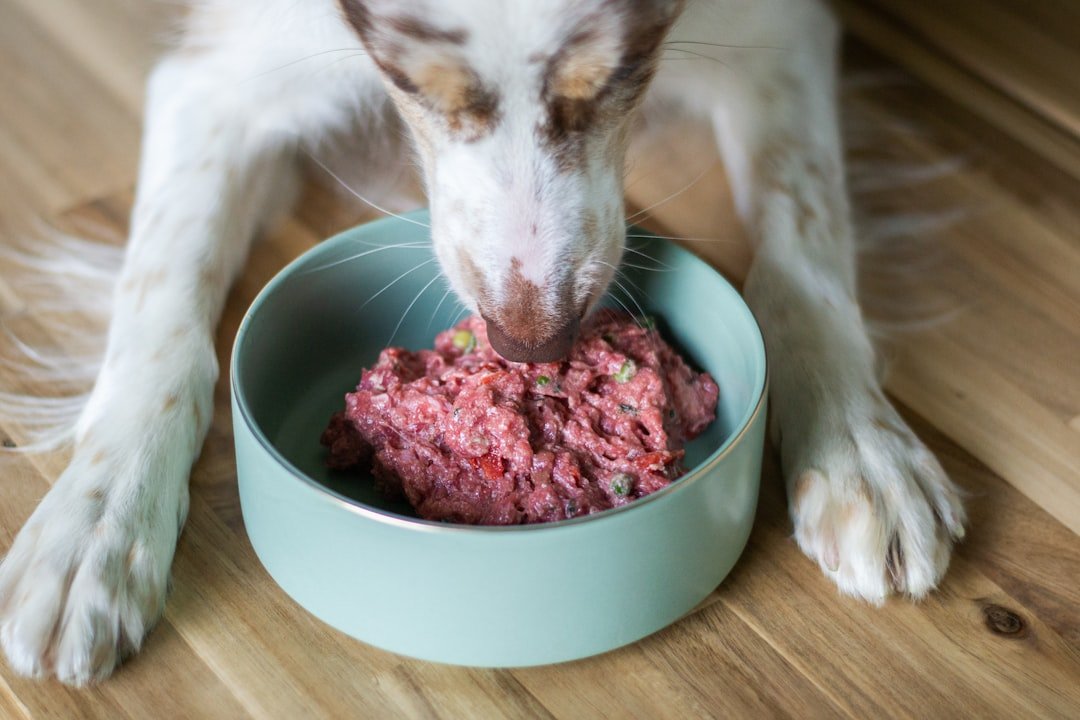
The choice between raw vs wet cat food comes down to what your cat needs, not what marketing claims sound best. Raw vs wet cat food each have genuine advantages and real limitations that matter for your cat’s health and your household routine. Understanding raw vs wet cat food helps you make a decision based on facts, not convenience or trend.
Raw vs Wet Cat Food: Quick Comparison Table
| Factor | Raw Cat Food | Wet Cat Food |
|---|---|---|
| Moisture Content | Variable (typically 60–75%) | 70–85% water |
| Preparation Time | Thawing, portioning, cleaning | Open can, serve immediately |
| Storage Requirements | Freezer space essential | Shelf stable, minimal space |
| Cost Range | Higher per meal | Mid to high range |
| Digestibility | High enzyme content, uncooked | Cooked, easier initial digestion |
| Food Safety Considerations | Requires strict handling protocol | Commercially processed, lower contamination risk |
Understanding Raw Cat Food: What You Actually Need to Know
I’ve lived with cats for years, and raw diets genuinely divide cat owners into two camps: those who swear by them and those who won’t touch them. Raw food mimics what a wild cat would eat, which means whole prey muscle, organs, and bones in their natural state. Most people don’t realize raw diets require dedicated freezer space, careful thawing schedules, and strict food safety practices to prevent bacterial contamination in your kitchen.
You’d think raw food would always be easier for cats to digest because it’s uncooked — it usually isn’t. Cats handle raw food differently based on their existing gut bacteria, age, and immune system. Kittens under 12 weeks and senior cats over 15 years may struggle with raw diets because their digestive systems are either still developing or declining.
I’ve seen so many cat owners start raw feeding with enthusiasm, then realize they don’t have the freezer capacity or the time commitment it demands. Thawing takes planning. Portioning takes attention. Cross-contamination in your kitchen is a real risk if you’re not handling raw meat properly.
Understanding Wet Cat Food: Why Most Cat Owners Choose It
Wet food requires no preparation and works within any household schedule. Open the can, portion it, serve it. Done in 30 seconds. Most commercial wet foods are nutritionally complete, tested for safety, and formulated to support urinary health in indoor cats — which actually matters because indoor cats have higher rates of urinary crystals and blockages.
The moisture content in wet cat food typically runs 70–85%, which supports kidney function and hydration in cats that don’t naturally drink enough water. This is especially important for male cats prone to urinary issues. I’ve lived with multiple cats across different ages, and I’ve noticed that cats on wet-only diets consistently maintain better hydration than cats eating primarily dry kibble.
Wet food spoils once opened, so you’re working with a limited serving window once the container is exposed to air. That’s a genuine limitation for multi-cat households or when you’re away for extended periods.
Raw vs Wet Cat Food: Deciding Which Fits Your Life
Your choice depends on three things: your cat’s health status, your available time and space, and your comfort level with food handling protocols. If your cat has a history of digestive issues, urinary problems, or is a senior, discuss switching with your vet before committing to either option. If your cat is a healthy adult with no underlying conditions, both raw vs wet cat food can work — the difference is practical, not medical.
How much freezer space do you actually have?
Raw feeding requires significant freezer real estate. One month of raw food for a 10-pound cat takes up approximately 4–6 cubic feet depending on the brand’s packaging density. Wet food stacks easily in standard kitchen cabinets and doesn’t demand dedicated freezer inventory.
Checklist: Before You Switch to Raw or Wet Cat Food
- Consult your vet about your cat’s current health status and any dietary restrictions
- Check your freezer capacity if considering raw vs wet cat food options
- Research specific brands for third-party testing and recall history
- Assess your weekly schedule — can you thaw and prep raw food reliably?
- Identify any existing digestive sensitivities your cat shows with current food
- Calculate realistic monthly costs for raw vs wet cat food within your budget
- Confirm your cat isn’t pregnant, nursing, or managing a chronic illness before transitioning
Step-by-Step Process: Transitioning Your Cat Between Raw and Wet Food
Condition: Your cat is currently eating dry kibble or a different food type, and you want to switch to either raw or wet cat food without causing digestive upset.
Audience: Cat owners aged 25–50 managing one or multiple indoor cats without current digestive issues.
Method: A gradual 7–10 day transition minimizes stomach upset and gives your cat’s digestive system time to adapt to the new food’s texture and ingredients.
- Start with 10–15% of the new food mixed with 85–90% of the existing food on day one
- Increase new food to 25% and reduce old food to 75% by day two or three
- Move to a 50/50 split by day four or five — this is the part that actually matters because some cats show resistance here
- Reach 75% new food and 25% old food by day six or seven
- Serve 100% new food once your cat shows steady appetite and normal digestion
- Monitor litter box habits daily; if diarrhea persists beyond day ten, slow the transition or reconsider the new food choice
- Keep your vet’s contact information handy in case vomiting or refusal to eat develops during the switch
Here’s where most cat owners give up: they rush the transition or switch cold turkey because they want results immediately. Cats have sensitive digestive systems, and speed creates problems.
My Picks for This
- Primal Raw Frozen Cat Food — offers freeze-dried and frozen options with minimal ingredients, no synthetic vitamins, and flexible portions that fit smaller freezers.
- Stella & Chewy’s Frozen Raw Dinner Patties — pre-portioned patties eliminate guesswork and reduce cross-contamination risk during thawing and prep.
- Wellness CORE Grain-Free Wet Cans — high protein content and minimal fillers support muscle maintenance in indoor adult cats without digestive side effects.
- Royal Canin Feline Health Nutrition Wet — veterinarian-formulated for specific life stages, including indoor adult and senior formulas with urinary health support.
- Sheba Wet Cat Food Premium Portions — individual serving sizes eliminate storage waste and spoilage concerns in single-cat households.
Frequently Asked Questions (FAQ)
Q1. Is raw vs wet cat food better for cats with urinary issues?
Wet food supports hydration, which helps prevent urinary crystals and blockages in cats prone to these conditions. Raw food doesn’t inherently prevent urinary problems. If your cat has a documented urinary issue, wet food is generally the safer choice — discuss specifics with your vet to confirm what your individual cat needs.
Q2. Can I mix raw and wet cat food in the same meal?
Mixing raw vs wet cat food isn’t recommended because they digest at different rates, which can cause stomach upset or bloating. If you want to offer both, serve them in separate meals spaced at least 4–6 hours apart. This gives your cat’s digestive system time to process one type before introducing the other.
Q3. How much does raw vs wet cat food cost monthly for an average cat?
Wet cat food typically costs between $30–$70 monthly for a 10-pound indoor cat depending on brand and quality. Raw food often runs $40–$100+ monthly for the same cat because it requires premium sourcing and freezer storage infrastructure. Your actual costs vary based on your location, specific brands chosen, and whether your cat has dietary restrictions requiring specialty formulas.
Q4. What age can kittens safely eat raw vs wet cat food?
Kittens can transition to wet food around 8–10 weeks of age during weaning. Raw food is riskier for kittens because their immune systems are still developing and they’re more vulnerable to bacterial contamination. Most vets recommend waiting until kittens are at least 6 months old before introducing raw diets, and even then, only with vet approval and careful food handling.
Q5. How do I store raw vs wet cat food safely?
Raw food must stay frozen at 0°F or below and thawed in the refrigerator 12–24 hours before serving. Never leave thawed raw food at room temperature for more than 2 hours. Wet food opened from a can should be refrigerated immediately and used within 48–72 hours. Unopened wet cans store in cool, dry conditions for years. Always follow the manufacturer’s guidelines on your specific product packaging.
Q6. Can senior cats eat raw vs wet cat food safely?
Senior cats over 12 years usually tolerate wet food well because it’s gentle on aging digestive systems and supports hydration. Raw food carries higher contamination risk for senior cats with declining immune function. If your senior cat has kidney disease, liver issues, or requires medication with meals, wet food is the safer option — discuss transitions with your vet before making changes.
Related posts
This post is for informational and general educational purposes only. It does not constitute professional veterinary advice, medical diagnosis, nutritional guidance, or behavioral therapy. Always consult a licensed veterinarian before making decisions about your cat’s health, diet, medication, or treatment — especially if your cat is showing signs of illness, distress, or behavioral changes. Product recommendations on this site are based on general research and owner experience; individual results may vary depending on your cat’s breed, age, weight, and health condition. Prices, product availability, formulations, and specifications are subject to change without notice — always verify current details directly with the manufacturer or retailer before purchasing. Feeding guidelines, portion sizes, and nutritional information referenced in this post are general estimates only and should not replace personalized advice from your veterinarian or a certified feline nutritionist. If your cat is pregnant, nursing, underweight, overweight, or managing a chronic condition, seek professional guidance before changing their diet or care routine. This site may contain affiliate links — if you purchase through our links, we may earn a small commission at no extra cost to you. We only reference products we believe may be genuinely useful, but we encourage you to do your own research before buying.