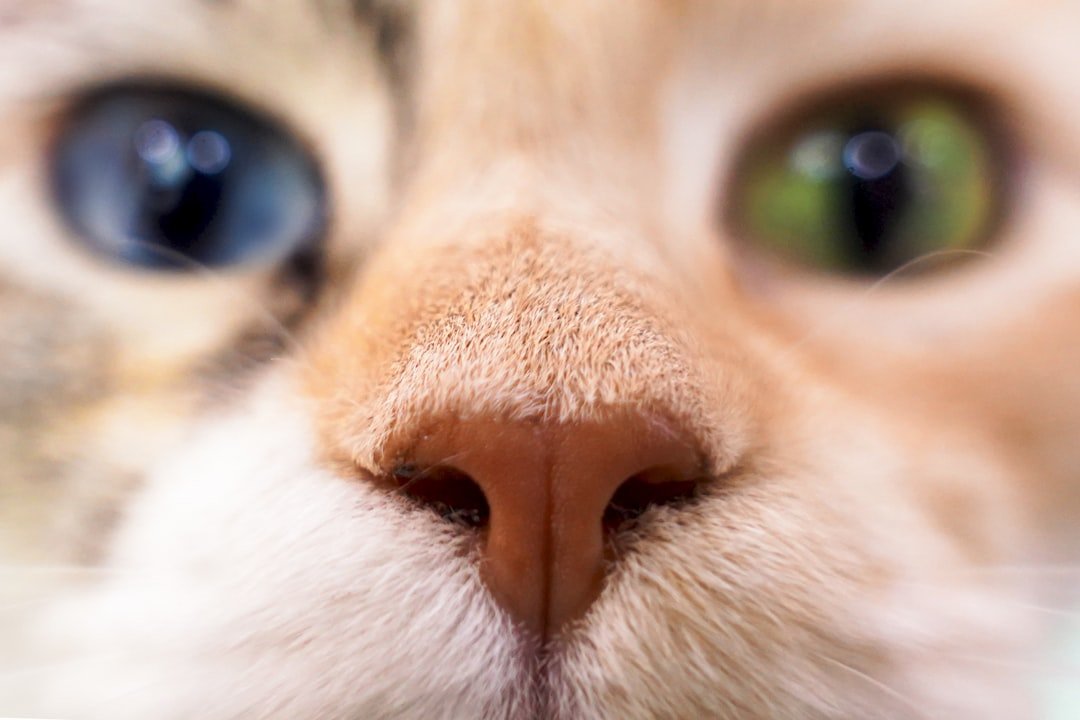
Your cat holds your gaze for a few seconds longer than feels natural. Why does my cat stare at me like that? The answer is simpler than you’d think: your cat is communicating trust, affection, or a direct request. Understanding why does my cat stare at me transforms how you interpret your cat’s behavior and deepens your relationship.
Understanding the Stare: Common Feline Body Language
I’ve lived with cats for years and noticed the same pattern repeatedly. A soft, slow blink followed by steady eye contact. Most people don’t realize this is one of the most positive signs a cat can give. When your cat looks directly at you without dilated pupils or flattened ears, they’re signaling comfort and security in your presence.
Body language works like a conversation. Your cat’s stare connects to their ears, tail, and whiskers.
| Stare Type | Ear Position | Tail Behavior | Meaning |
|---|---|---|---|
| Slow blink with soft eyes | Relaxed or forward | Upright or slowly swaying | Trust and affection |
| Fixed stare, dilated pupils | Focused forward | Twitching or low | Hunting focus or prey interest |
| Unblinking, intense stare | Flattened back | Puffed or tucked | Fear, aggression, or stress |
| Brief stare with head tilt | Forward and alert | Upright | Curiosity or question |
Why does my cat stare at me during specific moments? Timing matters enormously. A stare during feeding time is a direct request. A stare when you’re sitting still often means your cat feels safe enough to observe you without threat. The difference between a loving gaze and an aggressive stare lies in the surrounding body language, not the stare alone.
Why Does My Cat Stare at Me: The Five Main Reasons
1. Affection and Bonding
Cats that stare with soft, half-closed eyes are showing you love. They’re essentially saying you’re safe territory. I’ve seen so many cat owners mistake this gentle stare for something ominous when it’s actually their cat’s strongest positive signal. Respond by slow-blinking back — your cat will recognize the gesture as reciprocated affection.
2. Food or Attention Requests
Hunger transforms a cat’s stare into something more intense and purposeful. The pupils dilate slightly. Their body leans forward. You’d think a meow would be enough communication — it usually isn’t when a cat wants something specific from you. Why does my cat stare at me before meals? Because they’re testing whether you remember the feeding schedule.
3. Territorial Observation
Your cat monitors you to confirm you’re still part of their safe territory. This continuous observation strengthens their sense of security in your shared space.
4. Predatory Focus
Sometimes the stare indicates your cat has locked onto something moving near you or has decided to hunt a toy in your lap. The difference: predatory stares include dilated pupils, forward-facing ears, and an absolutely still body except for the tail.
5. Stress or Discomfort
An unblinking, unrelenting stare with flattened ears and a tucked tail signals fear or aggression. This stare feels different from affection. It’s uncomfortable to witness. If your cat displays this pattern, step back and give them space.
Checklist: Reading Your Cat’s Stare Accurately
- Check pupil size: dilated or normal? Dilated often means hunting or high emotion
- Observe ear position: forward and relaxed or pinned back? Pinned suggests stress
- Notice tail placement: upright with curve, swaying gently, or tucked tight? Tucked indicates fear
- Look for slow blinks: does your cat blink while staring or maintain an unbroken gaze?
- Assess context: is it feeding time, playtime, or rest time? Context determines intent
- Feel the energy: does the stare feel warm or threatening? Your instinct matters here
- Monitor facial whiskers: relaxed forward position or pulled back against the face?
Step-by-Step: How to Respond When Your Cat Stares at You
Condition: Your cat is staring directly at you with soft eyes and relaxed body posture.
Audience: Cat owners who want to deepen their bond and respond appropriately to feline communication.
Method: By responding correctly to your cat’s stare, you reinforce positive behavior and build trust.
- Observe the full body first, not just the eyes. Never respond to just the stare in isolation
- Identify the surrounding body language using the checklist above. This takes five seconds
- Slow-blink deliberately if the stare is soft and affectionate. Keep your eyes open for two full seconds, then blink slowly
- Wait for your cat’s response. Most cats will slow-blink back or approach you
- If the stare seems focused on food or attention, assess whether it’s feeding time or playtime
- If the stare includes aggression signals, calmly leave the room and give your cat space. Here’s where most cat owners give up: they try to force interaction. Don’t. Your cat needs to reset
- Never punish a cat for staring. The behavior itself is communication, never disobedience
Warnings: Don’t stare directly back at an unfamiliar cat as a challenge. Don’t assume every stare means the same thing. Don’t ignore stress signals that include hissing, growling, or a puffed tail alongside the stare.
Why Does My Cat Stare at Me: Common Misconceptions
You’d think a cat’s stare works like a human’s — but it’s an entirely different language system. Cats don’t challenge each other with soft stares. They challenge with hard stares. A loving cat deliberately softens their expression to show you they trust you completely. This is the opposite of how human dominance communication works.
Your cat stares to connect. Not to assert power over you.
My Picks for This
- Feliway Classic Diffuser helps calm stressed cats that display aggressive staring patterns by mimicking natural calming pheromones in the environment.
- Kong Kickeroo Toy gives your cat an appropriate outlet for predatory focus when they direct intense stares at moving objects near you.
- Catit Flower Fountain redirects attention-seeking stares during non-feeding times by providing engaging water interaction.
- Yeowww! Catnip Toys capture your cat’s focus during play sessions so their staring stays engaged with enrichment rather than surveillance.
Frequently Asked Questions (FAQ)
Q1. Is my cat staring at me a sign of aggression?
Not unless additional signals are present. A soft stare with relaxed ears and body is affection. An intense, unblinking stare with flattened ears, a puffed tail, or hissing signals stress or aggression. Context and surrounding body language determine meaning.
Q2. What should I do if my cat won’t stop staring at me?
Prolonged staring depends on the type. If it’s soft and affectionate, your cat feels safe and bonded — enjoy the moment. If it’s intense and uncomfortable, provide your cat with a separate space to relax, assess whether they’re experiencing pain or stress, and consult your vet if the behavior seems abnormal or excessive.
Q3. Why does my cat blink while staring at me?
Slow blinking during a stare is your cat’s way of saying you’re trusted. It’s their version of a kiss. Slow-blink back to communicate affection in a language your cat understands.
Q4. Does my cat stare at me because they want food?
Often yes. A stare combined with sitting near their food bowl, meowing, or leading you toward the kitchen indicates hunger. However, hunger-driven stares feel different from affection stares — they’re more pointed and intense.
Q5. Should I stare back at my cat?
Respond with a slow blink instead of a direct stare. Direct staring back can feel like a challenge to your cat, even if that’s not your intention. The slow blink is the appropriate feline response and strengthens your bond.
Q6. Is my cat staring at me because they’re sick?
Staring alone isn’t a sign of illness, but combined with other changes like reduced movement, loss of appetite, or unusual vocalizations, it could indicate distress. Consult your veterinarian if your cat’s staring behavior is new or accompanied by other behavioral changes.
Related posts
This post is for informational and general educational purposes only. It does not constitute professional veterinary advice, medical diagnosis, nutritional guidance, or behavioral therapy. Always consult a licensed veterinarian before making decisions about your cat’s health, diet, medication, or treatment — especially if your cat is showing signs of illness, distress, or behavioral changes. Product recommendations on this site are based on general research and owner experience; individual results may vary depending on your cat’s breed, age, weight, and health condition. Prices, product availability, formulations, and specifications are subject to change without notice — always verify current details directly with the manufacturer or retailer before purchasing. Feeding guidelines, portion sizes, and nutritional information referenced in this post are general estimates only and should not replace personalized advice from your veterinarian or a certified feline nutritionist. If your cat is pregnant, nursing, underweight, overweight, or managing a chronic condition, seek professional guidance before changing their diet or care routine. This site may contain affiliate links — if you purchase through our links, we may earn a small commission at no extra cost to you. We only reference products we believe may be genuinely useful, but we encourage you to do your own research before buying.