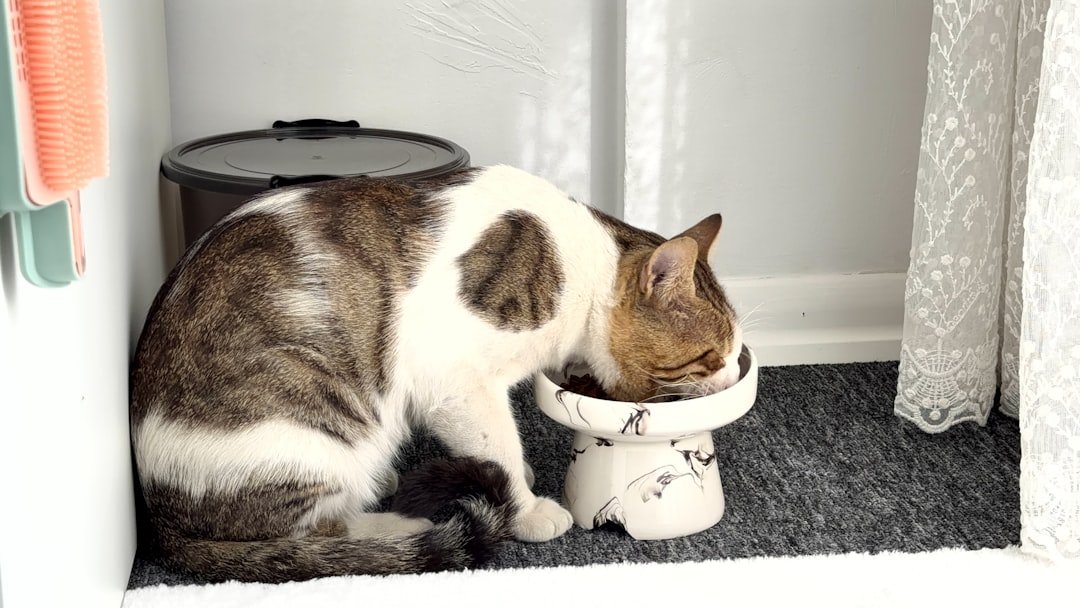
Switching to a wet food only cat diet is one of the most impactful changes you can make for your cat’s long-term health. Cats evolved as hunters consuming prey with high moisture content, and a wet food only cat diet restores that natural feeding pattern. Most people don’t realize their cats may be chronically dehydrated from kibble alone — this single factor drives kidney disease, urinary issues, and obesity in indoor cats.
Why a Wet Food Only Cat Diet Matters
I’ve lived with cats for years, and the difference between feeding wet food exclusively versus mixing in dry kibble became obvious within weeks. Wet food typically contains 70–80% moisture, while kibble sits around 10%. Your cat’s kidneys function better when they drink their nutrition rather than gulping water after eating carbohydrate-heavy pellets. A wet food only cat diet eliminates that metabolic mismatch entirely.
Dehydration isn’t dramatic. It sneaks up silently.
Cats have weak thirst drives compared to dogs. They evolved getting most water from prey. Asking your cat to drink more water from a bowl doesn’t work — most cats refuse consistent water intake no matter how many fountains you buy. The hydration benefits of switching to wet food arrive automatically because the moisture is built into every bite your cat takes.
| Factor | Wet Food Only Diet | Mixed Diet (Wet + Dry) | Dry Kibble Only |
|---|---|---|---|
| Moisture Content | 70–80% | 30–50% average | 10% |
| Kidney Stress | Minimal | Moderate | High |
| Urinary Health | Optimal hydration | Inconsistent | Frequent issues |
| Protein Quality | Usually higher | Variable | Often plant-based |
Hydration Benefits You’ll Actually See
Moving to a wet food only cat diet produces tangible changes in your cat’s health markers. Urine becomes more dilute and less concentrated, which prevents crystal formation and bladder inflammation. Cats with a history of urinary blockages show dramatically improved outcomes when switched to wet food exclusively.
Coat quality improves. Your cat’s energy stabilizes. Weight management becomes easier because wet food is less calorie-dense than kibble.
I’ve seen so many cat owners dismiss these benefits until they notice their older cat actually playing again after the diet switch. The hydration benefits compound over years — your cat’s kidneys aren’t working overtime to conserve water, so they age more gracefully. Senior cats on a wet food only cat diet often show better kidney values on bloodwork compared to their mixed-diet cousins.
How to Transition to a Wet Food Only Cat Diet
Transitioning matters more than the destination. Rush this process and your cat’s digestive system rebels with loose stools or food refusal.
- Select 2–3 high-quality wet foods your cat hasn’t tried yet to test preferences
- Mix 25% new wet food with 75% current food for 3 days
- Increase to 50–50 for another 3 days
- Jump to 75% new food and 25% old food for 5 days
- Serve 100% new wet food once your cat eats without hesitation
- Monitor litter box consistency daily — solid stools mean the transition is working
- Watch for vomiting or refusing meals; if either occurs, slow the schedule by 2–3 days at any step
You’d think cats would reject feeding changes immediately — they usually don’t. Most cats adapt within 7–10 days. The part that actually matters is patience. If you rush and your cat stops eating, they’ve now associated the new food with stress, and reintroduction takes weeks.
Feeding Tips for a Wet Food Only Cat Diet
Portion control becomes critical once you stop using the kibble measurements you know. Wet food is heavier but less calorie-dense, so the serving size looks bigger but contains fewer calories. Most cats on a wet food only cat diet need approximately 25–30 calories per pound of body weight daily — verify this range with your veterinarian based on your cat’s age, metabolism, and activity level.
Split meals matter. Instead of one large serving, divide daily intake into two or three smaller meals to prevent overfeeding and mimic natural hunting patterns. Feeding tips from experienced vets recommend warming wet food slightly to 86–91 degrees Fahrenheit — room temperature or warmer makes it more palatable and enhances digestibility, especially for senior cats with diminished senses.
Portion sizes vary by brand and cat. Always check the feeding guidelines on the can or pouch.
Discard uneaten wet food after 2 hours to prevent bacterial growth. The hydration benefits of a wet food only cat diet mean nothing if your cat develops foodborne illness from spoiled meals sitting in the bowl. Switch to stainless steel or ceramic bowls — plastic harbors bacteria and odors that deter picky eaters.
Checklist: Before Switching to a Wet Food Only Cat Diet
- Consult your vet about switching if your cat has diabetes, kidney disease, or digestive issues
- Verify the wet food contains named meat as the first ingredient, not meat by-products
- Check that protein content ranges between 8–12% for adult cats on a wet food basis
- Test small amounts from 2–3 different brands before committing to a case
- Confirm the feeding guidelines match your cat’s current weight and age
- Plan your budget — wet food typically costs 2–4 times more than kibble
- Prepare storage space; wet food occupies more room than dry
- Schedule a vet visit after 6–8 weeks to check body weight and overall adjustment
My Picks for This
- Wellness CORE Grain-Free — High protein content with meat-first formula that supports muscle maintenance on a wet food only cat diet.
- Royal Canin Indoor Adult — Balanced nutrition formulated specifically for indoor cats with optimal hydration benefit profiles.
- Purina Pro Plan Focus Urinary Health — Designed to reduce urinary crystals, making it ideal if your cat has a history of blockages or inflammation.
- Hill’s Science Diet Indoor — Veterinarian-recommended formula with controlled calories to prevent weight gain during transition to wet food only cat diet.
- Blue Buffalo Wilderness Indoor — High meat content with grain-free formulation for cats preferring novel proteins.
Frequently Asked Questions (FAQ)
Q1. How much does it cost to feed a wet food only cat diet?
Monthly costs depend on brand and cat size. Budget 60–150 dollars monthly for quality wet food, compared to 15–35 dollars for kibble-based feeding. Premium brands push the higher range. Check bulk pricing from online retailers — buying cases rather than individual cans reduces per-unit cost significantly.
Q2. Can kittens eat a wet food only cat diet?
Kittens under 12 weeks need specialized kitten formulas available in wet food form. Growth requirements differ from adult cats, so verify the label states kitten or all-life-stages formula. Kittens eating wet food only cat diet may need feeding 3–4 times daily instead of the standard twice-daily adult schedule.
Q3. Should I add water to wet food?
Adding extra water defeats the purpose of a wet food only cat diet. The moisture is already optimized in the can. Adding water dilutes essential nutrients and often makes cats refuse the meal. Warm the food slightly instead — that improves palatability without altering nutritional balance.
Q4. What if my cat refuses wet food?
Refusal usually means wrong brand or temperature. Try 3–4 different brands across 2–3 weeks before concluding your cat won’t switch. Warm rejected food to room temperature or slightly warmer. Mix tiny amounts of wet food with current kibble initially. Transition speed matters — slowing the process by a week sometimes breaks through resistance.
Q5. Do senior cats benefit from a wet food only cat diet?
Senior cats gain enormous benefits. Aging kidneys function better with consistent hydration. Dental disease makes wet food easier to eat than kibble. Senior cats on a wet food only cat diet show improved coat condition and more stable energy. Older cats with kidney values in early stages of decline should prioritize this dietary shift immediately.
Q6. Can I mix wet food with raw diets?
Mixing raw meat with wet food isn’t necessary. Commercial raw diets already contain moisture. If you’re feeding raw, you don’t need supplemental wet food. If transitioning from kibble to a wet food only cat diet instead, stick with one consistent protein source during the 7–10 day switch period.
This post is for informational and general educational purposes only. It does not constitute professional veterinary advice, medical diagnosis, nutritional guidance, or behavioral therapy. Always consult a licensed veterinarian before making decisions about your cat’s health, diet, medication, or treatment — especially if your cat is showing signs of illness, distress, or behavioral changes. Product recommendations on this site are based on general research and owner experience; individual results may vary depending on your cat’s breed, age, weight, and health condition. Prices, product availability, formulations, and specifications are subject to change without notice — always verify current details directly with the manufacturer or retailer before purchasing. Feeding guidelines, portion sizes, and nutritional information referenced in this post are general estimates only and should not replace personalized advice from your veterinarian or a certified feline nutritionist. If your cat is pregnant, nursing, underweight, overweight, or managing a chronic condition, seek professional guidance before changing their diet or care routine. This site may contain affiliate links — if you purchase through our links, we may earn a small commission at no extra cost to you. We only reference products we believe may be genuinely useful, but we encourage you to do your own research before buying.