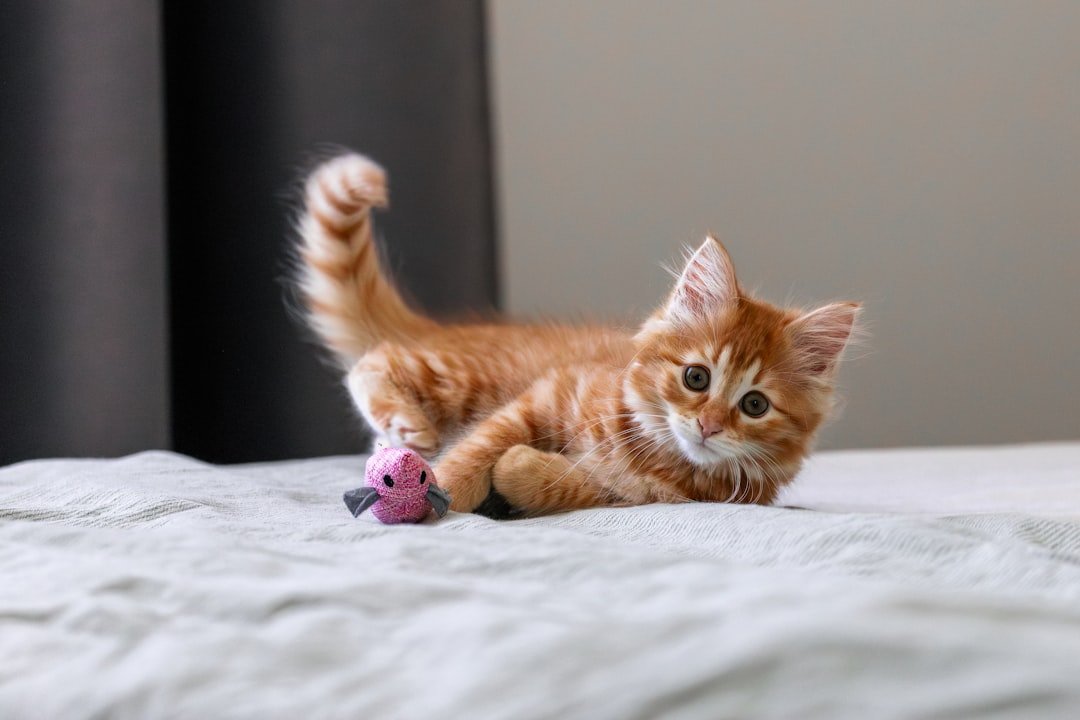
Kitten care essentials for new owners starts with one simple reality: most people don’t realize how much a newborn kitten actually needs before day one arrives. You’ll avoid frustration, wasted spending, and behavioral problems by preparing the right supplies ahead of time. This guide walks you through the exact kitten care essentials for new owners you need for that critical first month, along with a practical shopping list you can use today.
What Your Kitten Needs Right Away: The First-Month Overview
Kittens are fragile during their first weeks home. They demand food, litter, safe spaces, play outlets, and bedding that suits their tiny bodies. You’d think any litter box works for a kitten — it usually doesn’t, because most standard boxes are too tall and difficult for small paws to climb into without slipping. I’ve lived with cats for years, and the setup mistakes I see from new owners almost always involve undersized or poorly chosen basics.
| Care Category | Priority Level | First-Month Need | Budget Range |
|---|---|---|---|
| Litter Setup | Critical | Low-entry box, kitten litter, scoop, mat | $30–$70 |
| Food and Water | Critical | Kitten formula or wet food, bowls, fountain | $25–$60 |
| Bedding and Warmth | High | Soft bed, blankets, heating pad option | $20–$50 |
| Safety and Play | High | Toys, scratching post, kitten-proofing supplies | $30–$80 |
| Health and Grooming | High | Brush, nail clippers, first-aid basics | $15–$40 |
Kitten Care Essentials for New Owners: The Pre-Arrival Checklist
Before your kitten steps through your door, complete this checklist to eliminate panic and last-minute shopping that leads to poor choices.
- Measure your doorways, closets, and furniture gaps to identify escape routes and hazardous spaces
- Choose a quiet room as your kitten’s introduction space and place the litter box at least six feet from food bowls
- Test your litter box height by kneeling down — if you can’t comfortably step into it, neither can your kitten
- Remove toxic plants, secure electrical cords, and store cleaning supplies in locked cabinets
- Purchase kitten-specific food matching what the breeder or shelter was already feeding your kitten
- Set up water and food stations in separate locations away from the litter area
- Buy a carrier rated for your kitten’s projected adult weight to avoid replacing it
Your Setup Process: Five Steps to a Kitten-Ready Home
I’ve seen so many cat owners skip the setup process and regret it when their kitten hides for three days or has litter box accidents. Follow this sequence exactly.
- Create a confined introduction space. Choose one bedroom or bathroom where your kitten will spend the first 24–48 hours. This reduces stress and helps the kitten locate essential resources without getting lost in your whole house.
- Position the litter box correctly. Place it in a corner away from the water and food bowls. Make sure the box sits on an easy-to-clean surface like tile or a washable mat. This is the part that actually matters for litter training success.
- Fill water and food bowls strategically. Use separate bowls for water and food, placed in a different room from the litter box. Some kittens refuse to use litter boxes placed near their water source.
- Layer comfortable bedding in a quiet corner. Place a soft cat bed or blanket in a spot where your kitten can retreat and feel secure. Kittens seek enclosed spaces that make them feel protected during adjustment.
- Install play items and scratching posts before day one. Position scratching surfaces near where your kitten will sleep and eat, as young cats scratch to mark territory and stretch their muscles.
Nutrition and Feeding: What Kitten Care Essentials for New Owners Actually Look Like
Feeding is where new owners often make costly mistakes. Your kitten’s nutritional needs change dramatically from week two to week twelve.
Most kittens under eight weeks old need four to five small meals daily. This isn’t optional — their stomachs are tiny and their metabolism is extremely fast. Ask your veterinarian or rescue organization for the exact food brand your kitten is already eating, because switching food suddenly causes digestive upset and diarrhea. Wet food or kitten formula typically supports better hydration and digestion during the first month compared to dry kibble alone.
Portion sizes vary by kitten age and weight. Your vet can provide specific recommendations based on your kitten’s current measurements. Look for kitten-formulated food with protein content appropriate for growth — this is literally what separates kitten food from adult cat food.
Behavior and Litter Training
Most new owners expect litter training to happen automatically. It doesn’t work that way with very young kittens.
Kittens as young as three weeks old naturally use litter, but they need several boxes available and constant access without obstacles. If your kitten misses the box, clean the spot thoroughly with an enzymatic cleaner to remove scent markers. Punishing a kitten for accidents teaches fear, not cleanliness. When you catch your kitten in the act, gently place them in the litter box and reward with a treat when they finish there.
Here’s where most cat owners give up: kittens pounce on your hands, bite during play, and seem aggressive. This isn’t aggression — it’s predatory play. Redirect this energy to toys, wand toys, and balls instead of your hands. Use gloves during intense play sessions if your kitten’s claws are sharp.
My Picks for This
- Catit Litter Box with Lid and Filter features an entry height low enough for young kittens while containing litter scatter and odor effectively.
- Purina Pro Plan Kitten Formula (wet) delivers balanced nutrition with moisture content that supports hydration during the transition month.
- Kong Kickeroo Kitten Toy channels destructive play behavior into a specific toy with pounce-friendly design that appeals to predatory instinct without harming your hands.
- Catit Flower Fountain encourages water intake through moving water, which many kittens find more appealing than static bowls.
- Yeowww! Organic Catnip Toys provide natural enrichment and mental stimulation during the critical first-month adjustment period.
Frequently Asked Questions (FAQ)
Q1. How much should I budget for kitten care essentials for new owners during the first month?
Initial setup costs typically range from $150–$300 depending on whether you choose budget or premium products. This includes litter box, food, bedding, toys, and safety supplies. Ongoing monthly food and litter costs run $30–$60 after that initial investment.
Q2. Can I use adult cat litter and boxes for my kitten?
Standard-height litter boxes often frustrate young kittens because they can’t step in and out easily. Kittens under twelve weeks old need boxes with entry heights around four to five inches. After your kitten reaches three months old, gradual transition to standard boxes becomes possible.
Q3. What’s the difference between kitten food and adult cat food?
Kitten food contains higher protein percentages and specific amino acid ratios to support rapid growth and brain development. Adult formulas have lower protein and calories because grown cats don’t need the same intensive nutrition. Feeding adult food to kittens can stunt growth or cause deficiencies.
Q4. How often should I clean the litter box during the first month?
Scoop solid waste daily and change litter completely every three to five days during the first month, or more frequently if you notice odor buildup. Kittens are sensitive to dirty boxes and may develop aversion to litter if cleanliness slips.
Q5. When should I schedule a vet visit for my new kitten?
Schedule a vet appointment within the first week of bringing your kitten home. Your vet will check for congenital issues, parasites, and establish a vaccination timeline. Ask about deworming protocols, flea prevention suitable for young kittens, and expected growth milestones.
Q6. Is it safe to introduce my kitten to other pets immediately?
Separate your kitten from other pets for the first 24–48 hours while they adjust to their new environment. Gradual introductions through scent swapping and short supervised visits reduce stress and prevent territorial conflicts. This process typically takes one to two weeks before unsupervised time is safe.
This post is for informational and general educational purposes only. It does not constitute professional veterinary advice, medical diagnosis, nutritional guidance, or behavioral therapy. Always consult a licensed veterinarian before making decisions about your cat’s health, diet, medication, or treatment — especially if your cat is showing signs of illness, distress, or behavioral changes. Product recommendations on this site are based on general research and owner experience; individual results may vary depending on your cat’s breed, age, weight, and health condition. Prices, product availability, formulations, and specifications are subject to change without notice — always verify current details directly with the manufacturer or retailer before purchasing. Feeding guidelines, portion sizes, and nutritional information referenced in this post are general estimates only and should not replace personalized advice from your veterinarian or a certified feline nutritionist. If your cat is pregnant, nursing, underweight, overweight, or managing a chronic condition, seek professional guidance before changing their diet or care routine. This site may contain affiliate links — if you purchase through our links, we may earn a small commission at no extra cost to you. We only reference products we believe may be genuinely useful, but we encourage you to do your own research before buying.