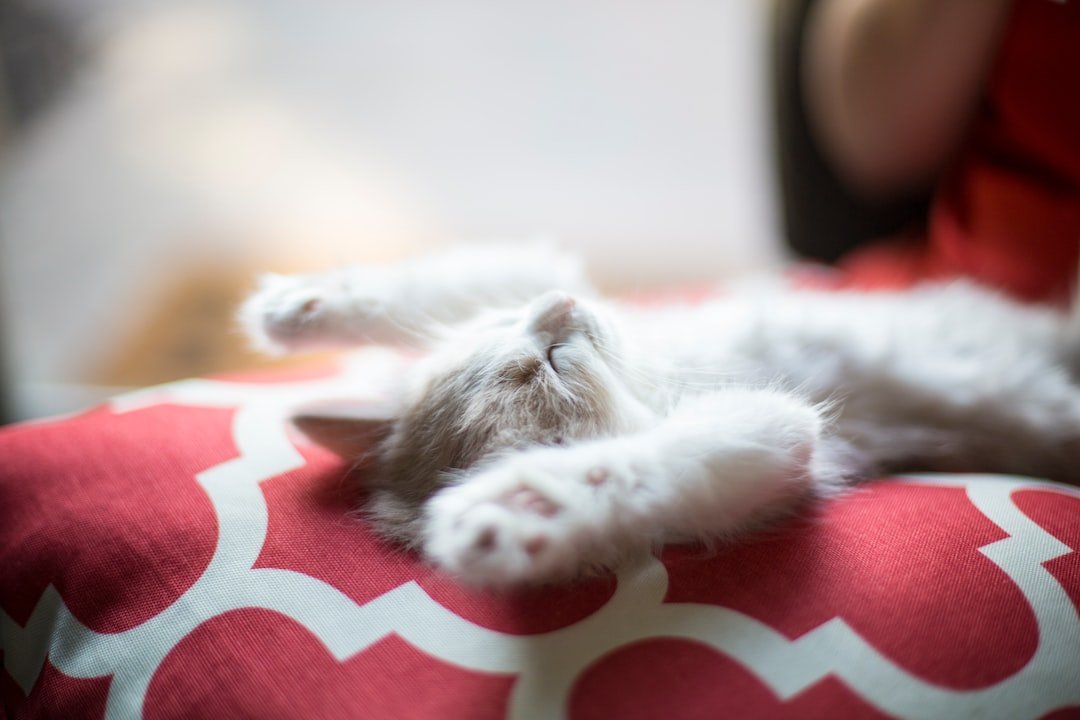
Your cat’s neuter surgery is behind you, but the real work starts now. A solid cat neuter recovery guide makes the difference between a smooth healing process and complications that land you back at the vet clinic. Post surgery care at home demands your attention for the next 10 to 14 days — and getting it right keeps your cat safe and speeds recovery.
Why Post Surgery Care at Home Matters More Than You Think
I’ve lived with cats for years, and I’ve seen recovery go sideways when owners didn’t follow proper post surgery care at home protocols. Your cat’s incision site is vulnerable. Infection, reopening, and seroma formation happen fast when cats aren’t kept quiet and their wounds stay dirty. The cat neuter recovery guide your vet hands you isn’t just paperwork — it’s your roadmap to preventing expensive complications.
Most people don’t realize that cats heal differently than dogs do.
| Recovery Phase | Timeline | Your Cat’s Behavior | Primary Concern |
|---|---|---|---|
| Immediate (Day 1-2) | First 48 hours | Drowsy, unsteady, little interest in food | Anesthesia side effects, pain management |
| Early healing (Day 3-7) | Week one | More alert, may groom excessively, appetite returns | Licking incision, premature activity |
| Active healing (Day 8-14) | Second week | Energetic, wants to play and explore | Incision reopening from jumping or rough play |
| Final stage (Day 15+) | Post 14 days | Completely normal, ready for unrestricted activity | Suture or staple removal if not dissolvable |
Your Post Surgery Care at Home Checklist
Before you bring your cat home, make sure you have these items and arrangements ready. Use this checklist to stay on top of recovery essentials.
- Quiet recovery room set up away from other pets and high-traffic areas
- Pain medication dosing schedule written out and checked off daily
- Antibiotics (if prescribed) with a reminder system to avoid missed doses
- Food and water bowls positioned low — your cat shouldn’t have to jump or stretch
- Litter box cleaned and filled with unscented, soft litter on the same floor as recovery room
- Elizabethan collar or surgical bodysuit ready in case your cat licks the incision
- Phone number for your vet’s emergency line saved in your phone
- Incision checked twice daily for swelling, heat, discharge, or redness
Step-by-Step Post Surgery Care at Home Protocol
Most cat owners struggle because they try to rush recovery or miss warning signs. Here’s the exact process that works.
Condition: Your cat just came home from neuter surgery.
Audience: You and anyone else caring for your cat during the next two weeks.
Method: Controlled environment, medication adherence, wound monitoring, and activity restriction.
- Set up a small, quiet room with minimal furniture. Keep your cat in this space for at least the first 48 to 72 hours — jumping on couches or running around creates wound stress.
- Give pain medication on schedule, even if your cat seems fine. Post operative pain isn’t always obvious in cats, and controlled pain means better healing and less stress-licking of the incision.
- Administer antibiotics for the full prescribed course, even if the incision looks perfect after a few days. Stopping early invites infection.
- Inspect the incision twice daily in good light. Look for increased redness, swelling, heat to the touch, discharge (especially pus or blood), or gaping edges.
- Keep the incision dry and clean. If your cat gets the area wet or dirty, gently pat it dry with a clean cloth — don’t rub.
- Prevent licking by fitting the Elizabethan collar or surgical suit properly. This is where most cat owners give up — but licking undoes weeks of healing in hours.
- Restrict jumping, running, and climbing for the full 14 days. Here’s the part that actually matters: even on day 10 when your cat acts 100% normal, their internal sutures aren’t fully anchored yet.
- Check for discharge on the collar or surgical suit daily — it signals the incision may be leaking fluid.
- Watch for behavioral changes: sudden lethargy, loss of appetite, or excessive grooming when the collar comes off suggests pain or infection.
- Schedule a recheck appointment for day 14 or as recommended by your vet to clear your cat for normal activity.
Common Post Surgery Care Mistakes at Home
I’ve seen so many cat owners make these exact errors. Knowing them helps you avoid weeks of setback.
Letting your cat sleep on the incision. Your cat will want to curl up in their favorite spot immediately, but avoid placing pillows or blankets directly under the surgical area — it traps moisture and heat, inviting infection.
You’d think collar-free recovery is easier — it usually isn’t. Cats that lick or chew their incision cause self-inflicted damage that extends recovery by 2 to 4 weeks and costs hundreds in vet revisits. Keep the collar on, period.
Giving full meals immediately after surgery overwhelms the recovering stomach. Offer small amounts of wet food 6 to 8 hours post-op, then transition to normal portions over 2 to 3 days.
Missing pain medication doses because your cat seems fine ignores the fact that pain management allows sleep and healing.
My Picks for This
- Elizabethan Collar Soft Recovery Cone — fabric-lined versions are quieter and less stressful than plastic cones, and your cat won’t bang it into walls all night.
- Feliway Plug-In Diffuser — pheromone therapy reduces stress and licking behavior during recovery without sedation.
- Non-Slip Yoga Mat or Grip Tape — place under litter boxes and water bowls so your recovering cat doesn’t slip and stress the incision during normal movements.
- Soft Washable Pet Blanket or Pad — elevated slightly off the floor to keep your cat comfortable while allowing air circulation around the incision site.
- Digital Pet Thermometer — monitor your cat’s temperature to catch infection early; fever is one of the first warning signs your vet needs to know about.
Frequently Asked Questions (FAQ)
Q1. How long does a cat actually need to stay quiet after neuter surgery?
Most vets recommend 10 to 14 days of strict activity restriction. Your cat’s external incision may look healed by day 7, but internal sutures take the full two weeks to anchor properly. Jumping or rough play before that timeline risks reopening the wound.
Q2. What should I feed my cat during post surgery care at home recovery?
Offer the same diet your cat ate before surgery — sudden diet changes stress the system. If your cat usually eats dry food, soften it slightly with warm (not hot) water. Wet food is often easier for recovering cats. Contact your vet if your cat refuses food for more than 24 hours post-op.
Q3. When should I actually worry about the incision and call my vet?
Contact your vet immediately if the incision shows discharge (especially pus), gapes open more than a millimeter, becomes hot or extremely red, has a foul smell, or if your cat develops fever, vomiting, or extreme lethargy. Even minor signs warrant a quick call — most vets won’t charge for a phone consultation.
Q4. Can my cat use the litter box normally during recovery?
Yes, but use soft, unscented litter to avoid irritating the incision if litter gets stuck to it. Avoid clay and crystal litters — they’re too harsh. Paper-based or pine litter works better. Keep the box on the same floor as your recovery room to prevent jumping between levels.
Q5. Do dissolvable stitches need to be removed, or does my cat keep them?
Dissolvable stitches break down over 7 to 14 days and don’t need removal. Non-dissolvable stitches or staples require a vet removal appointment around day 14. Your vet will tell you which type was used — if unsure, ask at discharge. Mark the appointment in your calendar immediately.
Related posts
This post is for informational and general educational purposes only. It does not constitute professional veterinary advice, medical diagnosis, nutritional guidance, or behavioral therapy. Always consult a licensed veterinarian before making decisions about your cat’s health, diet, medication, or treatment — especially if your cat is showing signs of illness, distress, or behavioral changes. Product recommendations on this site are based on general research and owner experience; individual results may vary depending on your cat’s breed, age, weight, and health condition. Prices, product availability, formulations, and specifications are subject to change without notice — always verify current details directly with the manufacturer or retailer before purchasing. Feeding guidelines, portion sizes, and nutritional information referenced in this post are general estimates only and should not replace personalized advice from your veterinarian or a certified feline nutritionist. If your cat is pregnant, nursing, underweight, overweight, or managing a chronic condition, seek professional guidance before changing their diet or care routine. This site may contain affiliate links — if you purchase through our links, we may earn a small commission at no extra cost to you. We only reference products we believe may be genuinely useful, but we encourage you to do your own research before buying.