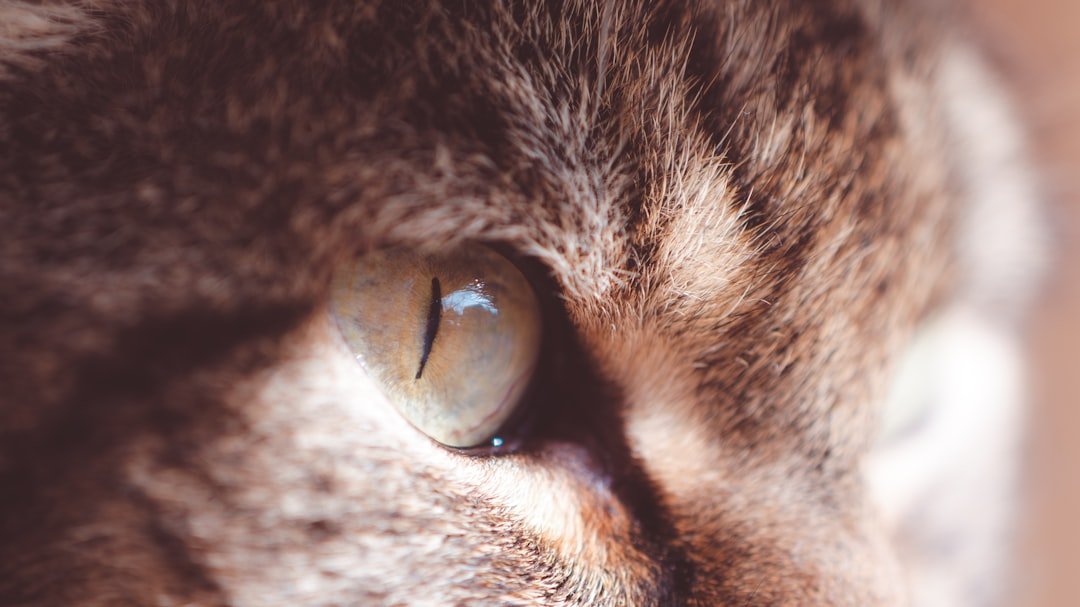
Your cat’s eyes are watering more than usual, and you’ve noticed some redness around the edges. If you’re seeing discharge alongside those red eyes, your cat likely has an eye infection. Recognizing cat eye infection symptoms early is the difference between a quick recovery and serious complications that could affect their vision.
Understanding Cat Eye Infection Symptoms at a Glance
Most cat eye infection symptoms show up suddenly, and redness is usually the first sign you’ll catch. Discharge can range from clear and watery to thick and yellowish, depending on what’s causing the problem. Your cat’s eyes might look painful, swollen, or half-closed—and that’s your signal to take action fast.
| Symptom | What It Looks Like | When to Contact Your Vet |
|---|---|---|
| Redness | Pink or bright red appearance around the white of the eye or inner eyelid | If it persists beyond 24 hours or worsens |
| Discharge | Clear, watery, or thick yellowish material in the corner or crusting on the eyelid | If discharge becomes green, brown, or bloody |
| Swelling | Puffy eyelids or eye area that appears inflamed | Immediately if vision appears affected |
| Eye Holding | Your cat keeps the eye partially or fully closed for extended periods | Same day, as this indicates significant discomfort |
How to Recognize Cat Eye Infection Symptoms in Your Own Cat
I’ve lived with cats for years, and the moment their eyes start looking different, they act different too. Your cat might squint constantly, paw at their face, or avoid bright light altogether. These behavioral changes paired with visible redness and discharge are textbook cat eye infection symptoms you can’t ignore.
Watch closely for crusting around the eye.
You’d think clear discharge is always harmless—it usually isn’t. Even watery discharge that seems minor can signal the start of an infection. The redness might be faint at first, but cat eye infection symptoms typically worsen within hours if left untreated. Third eyelid protrusion is another red flag many people don’t realize they’re seeing: that extra white or pink membrane covering part of the eye means inflammation is present.
Some cats hide when they’re uncomfortable, making cat eye infection symptoms harder to spot if your cat is an indoor adventurer. Check their eyes during calm moments when they’re sitting near you. Gently lift the upper lid and look for any change in color, swelling, or buildup of discharge.
What Causes These Symptoms and Why Treatment Matters
Viral infections cause the majority of cat eye problems, with feline herpesvirus and calicivirus leading the charge. Bacterial infections come second, and they’re the ones that produce that thick, colored discharge. Allergies, trauma from scratching, and even blocked tear ducts can trigger cat eye infection symptoms that mimic more serious infections, which is why confirming the cause with your vet matters.
Why does identifying the real culprit matter so much? Because the wrong treatment wastes time. A viral infection won’t respond to antibiotics alone—you need antiviral support. A bacterial infection left untreated can spread to deeper eye structures and cause permanent damage. Cat eye infection symptoms that look identical on the surface might need completely different approaches.
I’ve seen so many cat owners grab over-the-counter drops without knowing what they’re treating, and their cat’s condition either stays the same or worsens. Your vet can do a quick examination and sometimes run a test to confirm whether you’re dealing with viral, bacterial, allergic, or mechanical causes.
Step-by-Step Guide to Addressing Cat Eye Infection Symptoms
Most cat owners feel lost when their cat’s eyes start looking wrong. Here’s exactly what to do, in order.
- Stop and observe for one full day—note the color of the discharge, which eye is affected, and whether both eyes are involved. Write down when symptoms started and what your cat was doing before you noticed the redness.
- Schedule a vet appointment immediately if discharge is green, brown, or bloody, or if your cat’s eye is swollen shut. Don’t wait for an opening in two weeks; most vets keep same-day slots for eye issues.
- Before your appointment, gently flush the eye with sterile saline solution to remove discharge and debris. Use a fresh cotton ball for each wipe—never reuse the same pad on either eye.
- Apply any prescribed antibiotic or antiviral ointment exactly as directed, even if the eye looks better after a few days. Stopping early lets infection bounce back harder.
- Keep your cat from rubbing or scratching the eye by monitoring playtime and preventing dust exposure. A cone collar for a few days might feel extreme, but it prevents secondary trauma.
- Follow up with your vet if symptoms don’t improve within 5 to 7 days or if they worsen at any point during treatment.
Here’s where most cat owners give up: they apply medication for three days, see improvement, and stop. That’s exactly when the infection comes roaring back. Finish the full course even when redness fades and discharge stops completely.
Prevention and Home Care Between Vet Visits
Preventing cat eye infection symptoms starts with good hygiene in your home. Keep litter boxes clean—bacteria from litter dust can reach eyes easily. Minimize dust, strong perfumes, and smoke around your cat’s living space, as these irritants weaken eye defenses.
Most cats don’t need special eye cleaning unless discharge is heavy. A damp, warm cloth works better than most commercial wipes. Multi-cat households need separate food and water bowls to prevent pathogen sharing. If one cat has obvious signs of viral infection, isolate them from other cats for at least two weeks to prevent transmission.
Stress management matters more than people realize. Cats under stress have weaker immune responses, making them vulnerable to both viral and bacterial eye infections. Regular play, consistent routines, and safe spaces reduce stress and strengthen their natural defenses against cat eye infection symptoms.
My Picks for This
- Vetericyn Plus Feline Antimicrobial Eye Wash helps flush debris and soothe irritation without stinging, making it gentler for cats resistant to eye care.
- Purolator Sterile Saline Solution provides a reliable, affordable option for gentle eye flushing before and between veterinary treatments.
- Neosporin Plus Pain Relief Antibiotic Ointment for Pets addresses mild bacterial infections with trusted antibiotic coverage when recommended by your vet.
- Feliway Classic Diffuser reduces stress-related immune suppression in multi-cat homes, lowering the frequency of secondary eye infections.
- Hepper Elevated Stainless Steel Bowls keep food and water away from litter dust and debris, reducing bacterial contamination that can trigger infections.
Frequently Asked Questions (FAQ)
Q1. How much does treatment for cat eye infection symptoms typically cost?
A vet examination usually runs between 50 to 150 dollars depending on your location and clinic. Prescribed medications range from 15 to 60 dollars for a full treatment course. If your vet needs to run cultures or take samples, add another 50 to 100 dollars to the total.
Q2. Can I use human eye drops on my cat?
Never use human eye drops on your cat. Human formulations contain preservatives and ingredients that irritate feline eyes and can worsen cat eye infection symptoms. Stick to products labeled specifically for feline use or follow your vet’s recommendation.
Q3. How long does it take for redness and discharge to disappear?
Most cats show improvement within 3 to 5 days of proper treatment. Complete resolution usually takes 7 to 14 days depending on infection severity. If you’re not seeing any improvement after a full week, contact your vet immediately because the treatment approach may need adjustment.
Q4. Should I be concerned if only one eye is affected?
Single-eye infections are common and often less severe than bilateral infections. They typically stem from trauma, a blocked tear duct, or localized bacterial growth. However, monitor the other eye closely because infection can spread if you touch both eyes without washing your hands between.
Q5. Are kittens more prone to cat eye infection symptoms than adult cats?
Kittens under 12 weeks old have immature immune systems and are highly vulnerable to herpesvirus infections, which cause 90 percent of feline eye issues. Adult cats develop resistance but can still get infections from stress, trauma, or exposure to infected cats. Senior cats over 10 years old often experience recurring infections due to declining immunity.
Q6. What’s the difference between allergic eye irritation and infectious cat eye infection symptoms?
Allergic reactions cause itching and clear, watery discharge without redness that starts suddenly. Infections develop over hours and produce redness, swelling, and discharge that thickens as infection progresses. Your vet can distinguish between them with a simple examination.
Related posts
This post is for informational and general educational purposes only. It does not constitute professional veterinary advice, medical diagnosis, nutritional guidance, or behavioral therapy. Always consult a licensed veterinarian before making decisions about your cat’s health, diet, medication, or treatment — especially if your cat is showing signs of illness, distress, or behavioral changes. Product recommendations on this site are based on general research and owner experience; individual results may vary depending on your cat’s breed, age, weight, and health condition. Prices, product availability, formulations, and specifications are subject to change without notice — always verify current details directly with the manufacturer or retailer before purchasing. Feeding guidelines, portion sizes, and nutritional information referenced in this post are general estimates only and should not replace personalized advice from your veterinarian or a certified feline nutritionist. If your cat is pregnant, nursing, underweight, overweight, or managing a chronic condition, seek professional guidance before changing their diet or care routine. This site may contain affiliate links — if you purchase through our links, we may earn a small commission at no extra cost to you. We only reference products we believe may be genuinely useful, but we encourage you to do your own research before buying.