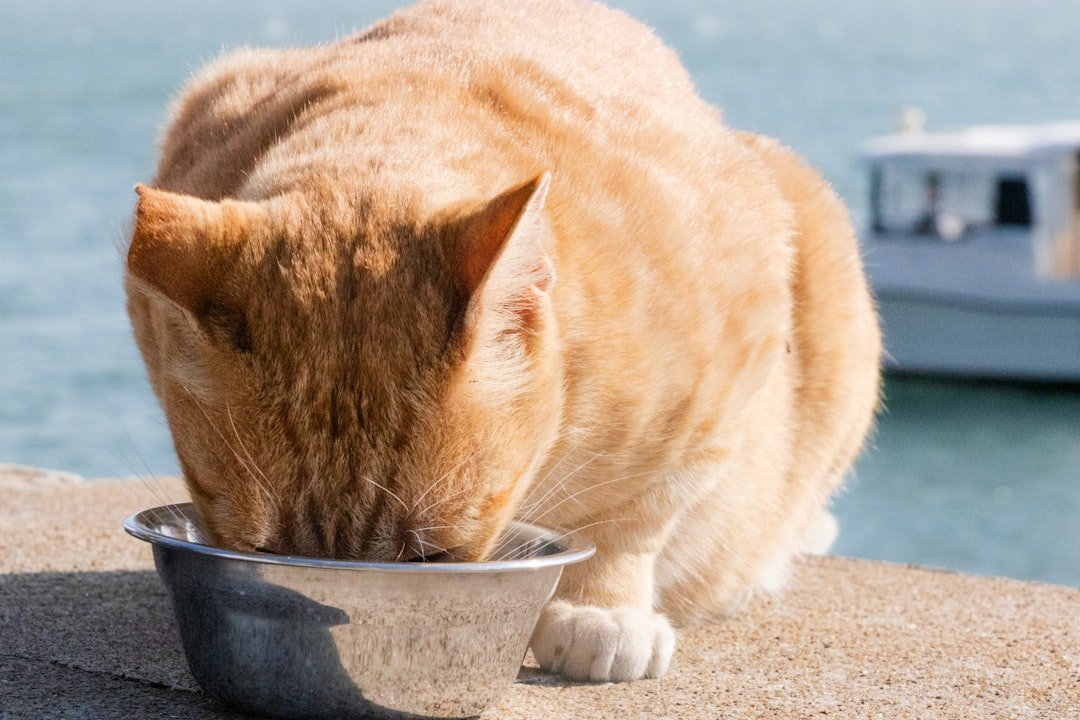
A common misconception is that a cat who turns down wet food is simply being fussy. Sometimes preference is the whole story, but when a cat won’t eat wet food anymore, especially after eating it happily before, the change deserves attention. A cat won’t eat wet food anymore for reasons that range from a stale can or cold meal to mouth discomfort, nausea, stress, or a broader health problem.
The key question is not only whether your cat rejects canned food. Ask what they are eating instead, how long the change has lasted, whether they seem normal otherwise, and whether they are drinking and using the litter tray as usual. A cat who still eats their usual dry food may have a wet-food-specific issue. A cat refusing all food needs quicker veterinary guidance.
When a cat won’t eat wet food anymore, start with urgency
Cats can become unwell when they eat very little, and this can happen faster in kittens, senior cats, cats with ongoing health conditions, and cats carrying extra weight. Do not wait several days to see whether a complete food refusal passes on its own.
Contact a veterinarian promptly if your cat has eaten little or nothing for about a day, or sooner if they are young, elderly, have a known medical condition, or seem unwell. Seek urgent veterinary advice if food refusal comes with repeated vomiting, marked tiredness, trouble breathing, hiding more than usual, drooling, apparent pain, yellow-looking gums or skin, diarrhea with weakness, trouble urinating, or a sudden change in behavior. These signs do not identify one cause, but they are not good candidates for home food troubleshooting alone.
If your cat is eating enough dry food, treats, or another familiar food to maintain normal interest in eating, you may have a little more room to investigate the meal itself. Even then, arrange a veterinary visit if the change persists, repeats often, or comes with weight loss, bad breath, chewing changes, or lower energy.
Check the wet food before changing your cat
Wet food has a stronger smell than dry food, which is why many cats enjoy it. That also means they often notice small differences. A new formula, a different protein, a changed recipe, a dented can, or food that has sat open in the refrigerator can be enough to put some cats off.
Check the use-by date and the appearance of the food. Do not offer food with a swollen can, broken seal, mold, an unusual smell, or a noticeably altered color or texture. Store unopened cans as the label directs. Once opened, cover and refrigerate leftovers promptly, then follow the manufacturer’s storage guidance. Many labels recommend using refrigerated leftovers within a few days, but the package is the best source for that specific food.
Cold wet food is a common practical problem. Refrigeration dulls aroma, and aroma matters greatly to cats. Put a small serving in a separate dish and let it sit briefly until closer to room temperature, or warm it gently. Stir thoroughly and test it with a clean finger first. It should be mildly warm, never hot. Microwave heating can create hot pockets, so use short intervals and mix well.
Offer a small fresh portion rather than filling the bowl. A large serving can dry around the edges and pick up household odors. If your cat walks over, sniffs, then leaves, try a clean plate with a teaspoon or two of freshly opened food. That response gives you useful information without wasting much food.
Look at texture, flavor, and routine
“Wet food” is not one texture. Pate, chunks in gravy, shredded meat, mousse, minced recipes, and broth-style foods can feel completely different in a cat’s mouth. A cat who rejects chunky food may accept a smooth pate. Another may lick gravy but leave meat pieces because they dislike the texture or find chewing uncomfortable.
Food manufacturers sometimes revise recipes or source ingredients differently. The label may look familiar while the smell, moisture level, or texture is not. If the refusal began with a newly purchased case, compare it with a can from a previous batch if you still have one. Do not assume your cat is being difficult if they notice a difference you cannot see.
| What you notice | Useful first check | Reasonable next step |
|---|---|---|
| Sniffs food, then walks away | Temperature, freshness, bowl cleanliness | Offer a small warmed portion on a clean plate |
| Licks gravy but leaves chunks | Texture and chewing comfort | Try a smooth texture and arrange a vet check if this is new |
| Refuses one flavor but eats another | Recent recipe or protein change | Return to a familiar complete food if available |
| Refuses wet food but eats dry food | Feeding routine, bowl, texture, dental signs | Monitor intake and discuss persistent changes with a veterinarian |
| Refuses wet food and dry food | Overall behavior and illness signs | Contact a veterinarian promptly |
Routine matters too. Some cats dislike meals placed near a noisy appliance, a busy doorway, another pet’s food station, or a litter tray. Use a quiet spot with easy escape routes. In multi-cat homes, feed cats separately if one tends to watch, rush, or steal from the other. A nervous cat may wait until everyone leaves, then eat only a little.
Bowls can also be part of the issue. Wide, shallow ceramic or stainless-steel dishes often work well because they keep food away from sensitive whiskers and are easy to wash. Plastic can hold odors or develop scratches over time. Wash dishes after meals with hot soapy water, rinse well, and avoid strongly scented cleaning products.
Make food changes slowly
If you changed foods recently, a fast switch may be the reason your cat stopped eating. Cats can be cautious around unfamiliar smells, even if the new food is nutritionally suitable. If your cat is still eating their established food, transition over roughly a week or longer by mixing a small amount of the new food into the old and increasing it gradually as they accept it.
Do not use a hunger strategy to force acceptance. Withholding familiar food until a cat gives in can be risky, particularly when their appetite is already reduced. Instead, keep a complete and familiar food available while you make calm, small changes. If you need to change diet for a veterinary reason, ask the clinic for a transition plan that fits your cat’s situation.
Toppers can help some cats get started, but use them carefully. A spoonful of plain water from a tuna can packed in water, a small amount of a cat-safe topper, or a little warm water mixed into the food may improve smell. Read labels first. Avoid products with onion, garlic, heavy seasoning, alcohol, or sweeteners. Treats and toppers should stay small enough that they do not replace a nutritionally complete meal.
Consider discomfort and appetite changes
A sudden refusal of wet food can be puzzling because wet food is usually easier to eat than dry kibble. Still, a cat may avoid it if they connect its smell with feeling sick after a previous meal. Cats can form food aversions quickly. Repeatedly presenting the same food when a cat feels nauseated may strengthen that dislike.
Mouth discomfort is another possibility. Watch for dropping food, chewing on one side, pawing at the mouth, new drooling, reluctance to eat crunchy treats, bad breath, or approaching the bowl eagerly before backing away. These signs can have several causes and need a veterinary assessment rather than a guess at home.
Stress can reduce appetite as well. Visitors, construction noise, a new pet, travel, a move, schedule changes, or conflict between cats may affect a sensitive eater. Keep feeding times predictable. Give your cat a quiet place to eat and avoid hovering, hand-feeding pressure, or repeatedly moving the bowl toward them. Sit nearby only if your cat finds your presence reassuring.
Track what your cat actually eats
It is easy to overestimate intake when a cat nibbles, gets treats, or shares another pet’s bowl. For a day or two, measure how much food you offer and what remains. Note the time, food type, treats, vomiting or loose stool, drinking, litter box output, and changes in behavior. This record is useful if you call the veterinary clinic.
Weigh your cat periodically if you can do so without causing stress. A baby scale or a household scale using the “you plus cat” method can show trends. Rapid or ongoing weight loss is a reason to contact a veterinarian, even if your cat seems interested in some food.
Do not syringe-feed or force food into a reluctant cat unless a veterinarian has shown you how and told you to do it. Food can be inhaled into the airway, and force can make food aversion worse. Do not give human nausea medicines, pain medicines, supplements, or appetite products without veterinary approval either.
A practical plan for the next meal
- Offer a small portion of fresh, familiar wet food on a clean shallow dish.
- Warm it gently so it smells more appealing, then make sure it is not hot.
- Feed in a quiet area away from litter trays, other pets, and household traffic.
- If your cat refuses, offer a familiar complete food they have eaten reliably rather than escalating pressure.
- Write down what they eat and watch for changes in energy, drinking, vomiting, stool, urination, or mouth behavior.
- Call a veterinarian promptly if intake stays low, your cat refuses all food, or any concerning signs appear.
Many wet-food refusals are solved by fresher portions, a different texture, gentler warming, or a calmer feeding spot. The part not to dismiss is the word “anymore.” A change from your cat’s usual eating pattern is information. Treat it seriously, keep notes, and bring in veterinary help when the change does not quickly make sense.
Related posts
This post is for general informational purposes only and is not veterinary advice. Every cat is different — if you have concerns about your cat’s health or behavior, please consult a qualified veterinarian.