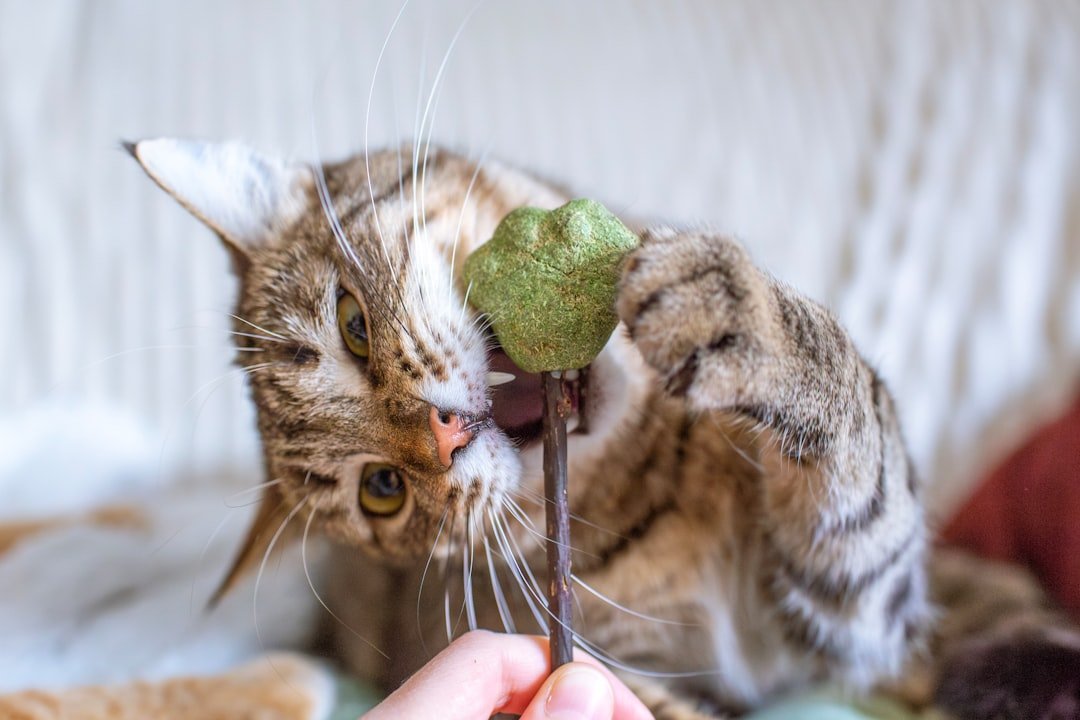
Indoor cat enrichment ideas on a budget do not require a house full of new toys. The best indoor cat enrichment ideas on a budget use things your cat can hunt, scratch, investigate, or climb safely, then rotate them before boredom sets in.
A bored cat may sleep more, demand attention at awkward times, chew household items, or patrol the same rooms repeatedly. Those behaviors do not automatically mean something is wrong. They can be a sign that the cat needs more outlets for normal feline behavior. Small changes count, especially when you offer them consistently.
Indoor cat enrichment ideas on a budget that meet real needs
Enrichment works best when it gives your cat some control. A cat does not need to perform a trick or use a complicated toy for an activity to be useful. A paper bag placed on its side can become a hiding place. A box with a few entry holes can become an ambush spot. A perch near a secure window can provide changing sights and sounds.
Think about what your cat already enjoys. Some cats chase fast-moving toys. Others would rather inspect a new box, sit up high, or work for a few pieces of kibble. An older cat may prefer gentle food games on the floor instead of jumping. Kittens often need shorter, more frequent play because their attention moves quickly.
| Low-cost idea | What it encourages | What you need | Safety note |
|---|---|---|---|
| Cardboard box hideout | Hiding and ambushing | Clean box and scissors | Remove tape, labels, staples, and loose packing material. |
| Paper food puzzle | Foraging | Toilet-paper tube and dry food | Supervise until you know your cat will not chew and swallow cardboard. |
| DIY wand play | Chasing and pouncing | Safe cat toy on a wand | Put it away after play. Do not leave string-like toys out. |
| Window resting spot | Watching and resting | Stable chair, shelf, or cat bed | Check screens and keep cords out of reach. |
| Scratch station | Scratching and stretching | Cardboard or inexpensive scratcher | Place it near the spot your cat already scratches. |
Use cardboard for DIY alternatives
Cardboard is one of the most useful free materials for cat enrichment. Start with a plain shipping box that has not held chemicals, scented products, or food that could leave a greasy residue. Pull off all tape and labels. Cut a doorway large enough for your cat to enter without catching their shoulders, then add one or two side holes for paw play.
Do not make every box elaborate. A plain open box can be more appealing than a carefully built fort. Try placing a crumpled sheet of plain paper inside, or lay the box on its side and toss a toy past the opening. Move the box every few days. A familiar object in a new location can feel novel.
For a simple treat puzzle, fold the ends of an empty cardboard tube inward and place a small portion of your cat’s usual dry food inside. Make a few small holes in the tube if needed, large enough for one piece of food to fall out when rolled. Use this only with cats that do not tear up and eat cardboard. If your cat shreds the tube, switch to a sturdier commercial puzzle feeder or offer food in a shallow muffin tin instead.
Paper bags can also be interesting, but remove handles first. Handles may catch around a cat’s neck or limbs. Never use plastic bags as a cat play area.
Make mealtimes more interesting
Food-based enrichment can be especially helpful for cats that finish meals quickly and then look for trouble. Instead of putting all dry food in one bowl, set aside part of the normal measured portion for a simple hunt. Place a few pieces in several shallow dishes around one room, or scatter small amounts on a clean towel with the edges loosely folded.
Start easy. Put food where your cat can see it, then gradually make the search slightly harder after they understand the game. Do not hide food behind appliances, under reclining furniture, or anywhere a cat may get stuck. Wet food can go into a shallow lick mat or a clean plate with a few raised obstacles, but wash the item promptly after use.
Food puzzles are not ideal for every meal or every cat. A cat on a prescribed diet, a cat who becomes distressed around food, or a cat with trouble chewing may need a different approach. Keep the portion size within your cat’s normal daily food amount. Treats are easy to overdo when several people in the home offer them.
Play like prey, then let your cat catch it
Interactive play is often the highest-value enrichment because you control the movement. Use a wand toy, a fabric mouse on a string, or another toy made for supervised cat play. Drag it behind a chair leg, pause it near a box, and let it disappear briefly. Prey does not usually wave in a cat’s face, so keep the toy low and give it imperfect, stop-and-start movement.
Let your cat catch the toy often. A chase with no catch can become frustrating for some cats. After a few successful catches, slow the game and offer a small part of a meal if that suits your feeding routine. Many cats enjoy two short play sessions each day more than one long session. Stop while your cat is still interested rather than pushing until they walk away.
Hands and feet should not be toys. It may seem harmless with a kitten, but it can teach a cat that moving human body parts are fair targets. Use an object that creates distance instead.
Create vertical space without buying a cat tree
Height gives many cats a sense of security and a better view of household activity. You do not need to build shelves to offer it. A sturdy chair near a window, the top of a solid bookcase that is safely secured, or a cleared section of an existing shelf may work well. Add a folded towel, nonslip mat, or inexpensive bed so the surface is comfortable.
Check stability before inviting your cat up. Furniture should not wobble or tip when the cat jumps onto it. Keep high spots away from hot lamps, breakable items, blind cords, and open windows. If your cat is older, stiff, or hesitant to jump, create smaller steps with stable furniture rather than expecting one large leap.
A window view can provide quiet entertainment. Birds, passing people, and moving leaves change throughout the day. Make sure the screen is secure, since ordinary window screens are not designed to hold a cat’s weight.
Set up scratching where it will actually be used
Scratching is normal. It helps cats stretch and leaves visual and scent marks in places they consider relevant. A cheap cardboard scratcher can work very well if it is placed in the right location. Put one near a sleeping area, near the room entrance, or close to the furniture your cat has chosen before.
Offer a surface that matches your cat’s preference. Some cats want a flat scratcher. Others lean into a vertical one. If you make a DIY scratch surface with corrugated cardboard, secure it so it does not slide across the floor. Avoid loose yarn, dangling fabric strips, or materials that unravel easily.
Rotate activities instead of adding clutter
Leaving every toy out all the time can make the room feel busy while making the toys less interesting. Keep a small group available and store the rest in a closed container. Every few days, swap in a box, a tunnel, or two toys your cat has not seen recently. Washing fabric toys and checking them for loose parts is part of the routine.
Rotation also makes a limited budget go further. Your cat may investigate an old toy with fresh interest after a break. You can change the experience without buying anything by moving the toy to a different room, placing it inside a box, or using it during a new play pattern.
Keep DIY cat enrichment safe
Homemade enrichment needs more checking than a purpose-made cat product. Avoid string, ribbon, elastic bands, hair ties, small bells, foam pieces, twist ties, and anything small enough to swallow. Do not leave wand toys, cords, or looped handles out when you are not actively supervising. Remove damaged toys promptly.
Watch how your individual cat uses an item. A cat who gently bats a paper ball may be fine with it under supervision. A cat who chews and swallows paper needs a different option. If your cat suddenly stops playing, hides much more than usual, seems uncomfortable with movement, or has a notable change in appetite or litter box habits, enrichment alone may not explain it. A qualified veterinarian can help assess those changes.
The goal is not to keep your cat busy every minute. Give them a few chances each day to act like a cat, then let them rest. A box, a scratcher, a short hunt game, and a safe place to watch the room can be plenty.
Related posts
This post is for general informational purposes only and is not veterinary advice. Every cat is different — if you have concerns about your cat’s health or behavior, please consult a qualified veterinarian.