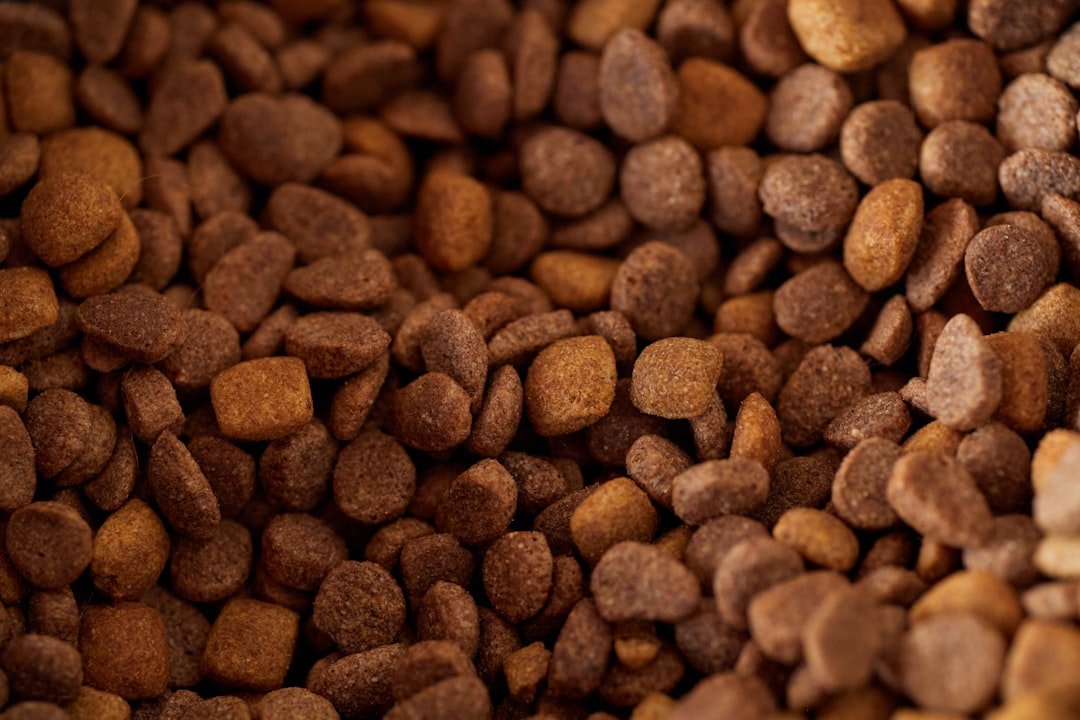
The most useful step you can take today is to check your cat’s current food label, then choose a complete grain-free wet recipe from Wellness CORE if you want to make a change. Among the best grain free cat food brands, Wellness CORE is my clear pick for the average healthy adult cat because the line has widely available wet and dry options, clear life-stage labeling, and recipes that are usually easy to find again when you need to repurchase. Grain-free food is not automatically better for every cat, though. If your cat is thriving on a complete food that contains grains, there is no need to switch just because the bag says grain-free.
For most cats, I would prioritize wet food, enough animal-based protein, a complete-and-balanced nutritional statement, and a texture your cat will reliably eat. The absence of corn, wheat, rice, or other grains comes after those basics. A food can be grain-free and still be a poor fit if it is incomplete, too rich for your cat, or simply refused after two bites.
Best grain free cat food brands at a glance
| Brand | Best for | Why it may suit your cat | Choose another option if |
|---|---|---|---|
| Wellness CORE | Most healthy adult cats | Broad wet and dry selection, familiar textures, and straightforward everyday choices | Your cat needs a very simple ingredient list or has strong texture preferences |
| Instinct | Cats that strongly prefer crunchy food | Grain-free dry foods and wet recipes, with some products aimed at cats drawn to richer meat-forward flavors | Your cat gains weight easily or does better with higher-moisture meals |
| Tiki Cat | Cats that enjoy shredded or broth-style wet food | Many moisture-rich wet options with distinct texture choices | You need one brand with easy dry-food availability or want a more conventional pâté selection |
| Nulo | Owners seeking a meat-forward everyday line | Wet and dry grain-free choices with several texture and recipe formats | Your local shops do not stock it consistently or your cat needs a simpler recipe |
| Merrick Purrfect Bistro | Households watching the regular food budget | Often easier to find at larger pet retailers, with grain-free wet and dry options | Your cat is selective and needs a broader wet-food texture range |
Why Wellness CORE is the best pick for most cats
Wellness CORE gets the top recommendation because it offers a practical middle ground. It is not a niche food that requires a special order every month, and it is not limited to one format. That matters more than it sounds. Cats can become attached to a particular texture or recipe, and a food that disappears from local shelves can make feeding stressful.
For a typical adult cat, I would start with a complete Wellness CORE canned recipe in a texture the cat already accepts. If your cat likes smooth pâté, choose pâté. If they only eat shredded food, do not assume they will suddenly accept a dense loaf because the ingredients look better on paper. Texture is part of the food decision.
Its dry recipes can be useful for households that need some kibble for convenience, measured meals, puzzle feeders, or a cat that will not eat enough wet food. Still, dry food is dry food. A grain-free kibble does not provide the moisture of a canned meal. If your cat eats mostly dry food, adding a little suitable wet food is usually a more meaningful change than changing from grain-inclusive kibble to grain-free kibble.
Check the specific recipe rather than relying on the brand name alone. Brands make foods for kittens, adults, seniors, and sometimes all life stages. Buy a formula that says it is complete and balanced for your cat’s stated life stage, or is labeled as a complete food under the rules where you live. Treats, toppers, broth pouches, and supplemental foods do not replace a complete daily diet.
When Instinct is the better choice
Instinct is the better option for a cat that is firmly attached to dry food or seems more interested in richer, meat-forward flavors. Its grain-free range includes both wet and dry products, so it can work for a gradual transition rather than an abrupt switch. That is helpful when a cat will not accept canned food right away.
I would be more cautious with portion sizes if your cat is sedentary, has a history of creeping weight gain, or gets a lot of treats. Dry food is easy to overfeed because a small extra scoop can add up. Measure it with a proper kitchen scale when possible, rather than estimating by eye. The feeding guide on the package is a starting point, not a personal prescription.
Instinct can also be a reasonable choice for a cat that turns away from bland-tasting diets, but richer food is not always the answer. A sudden move to a richer recipe can lead to temporary digestive upset in some cats. Change food slowly, usually over about a week, and take longer if your cat is sensitive. Mix a small amount of the new food into the old, then increase it in small steps.
When Tiki Cat is the better choice
Tiki Cat is the strongest alternative when wet-food texture and moisture are your main priorities. Many cats enjoy shredded meat, flaked pieces, or food in broth more readily than pâté. For a cat that drinks little water or leaves dry food untouched unless it is softened, a wet-focused brand can be more useful than a brand known mainly for kibble.
There is one label detail to watch carefully with this category. Some appealing broth-style foods are meant as complementary foods, meal toppers, or treats rather than complete meals. Read the small print every time you try a new pouch or can. A food can look substantial and still be intended only as an occasional addition.
Tiki Cat may also cost more per daily calorie than a conventional pâté, depending on the recipe and your region. Prices vary by region, so compare the cost of feeding your actual cat for a week, not merely the price of one can. A less expensive complete wet food your cat eats consistently can be the better household choice.
When Nulo or Merrick makes more sense
Nulo is a good alternative if you want a grain-free line with a meat-forward approach but Wellness CORE is not easy to buy where you live. It has enough variety to be practical for many multi-cat homes, especially if different cats prefer different formats. It is still wise to check each recipe’s calorie content. Two foods can look similar in a bowl while delivering very different amounts of energy.
Merrick Purrfect Bistro is worth considering when availability and ordinary retail pricing matter most. It is often a realistic option for cat owners who cannot justify premium canned food at every meal. That is not a minor concern. The best food plan is one you can buy consistently, store safely, and feed in measured portions.
Neither brand automatically wins over Wellness CORE for the common healthy adult cat. They win when your cat accepts their texture better, the recipes are easier to obtain, or the cost fits your routine more comfortably. A cat that eats a suitable complete food well is usually better off than one repeatedly being offered a theoretically better food they refuse.
What grain-free actually means
Grain-free means the food does not use common grains such as wheat, corn, rice, barley, or oats. It does not mean the food contains no carbohydrates. Grain-free recipes often use ingredients such as peas, potatoes, lentils, chickpeas, tapioca, or other starches to help form kibble or provide texture.
Cats are obligate carnivores, so animal-based ingredients are central to a suitable cat diet. But “grain-free” is not a shortcut for judging the whole recipe. A grain-inclusive food can still be complete and suitable. A grain-free food can still be calorie-dense, low in moisture, or wrong for a particular cat.
Do not choose grain-free food as a home test for itching, vomiting, loose stool, or other ongoing symptoms. Those signs have many possible causes, and the ingredient that seems suspicious is not always the one involved. If you think food is connected to a health concern, speak with a veterinarian before cycling through multiple over-the-counter foods. That approach can make it harder to work out what your cat has actually been eating.
How to choose the right recipe within a brand
Start with the nutritional adequacy statement. Look for wording that says the food is complete and balanced for adult maintenance, growth, or the appropriate life stage. Kittens need food formulated for growth. Pregnant or nursing cats have different nutritional needs as well. Do not assume an adult recipe is enough for a growing kitten just because it is high in protein.
Next, choose format. Canned food, trays, and pouches generally bring more moisture into the meal than dry kibble. Many cats do well with mostly wet food, while others need a mixed routine that their household can maintain. If you feed both, count the calories from both. A full portion of kibble plus full portions of wet food can quietly become too much food.
Then look at practical details: can size, texture, smell, storage, and reliable supply. Buy a few single cans or small packs first. Do not stock up on a case until your cat has eaten it for several days without refusing it or showing obvious stomach upset. Once opened, cover wet food, refrigerate it promptly, and follow the package instructions for how long it can be kept.
Finally, consider your cat rather than marketing. A young, active cat may need more calories than an older indoor cat of the same weight. A cat with dental pain, kidney concerns, urinary concerns, diabetes, food sensitivities, or a prescribed diet needs individualized veterinary guidance. In those cases, a grain-free retail food should not replace a veterinary diet without a conversation with the prescribing veterinarian.
How to switch without creating a food battle
Begin with a small amount of the new food mixed into the familiar food. For dry food, a common approach is roughly three-quarters old food and one-quarter new food for a few days, then an even split, then mostly new food. Wet food can be changed in the same general way, though a very selective cat may need slower steps.
Do not try to force a cat to accept a new diet by withholding familiar food. Cats should not go long periods without eating. If your cat refuses food, seems unwell, or has a noticeable change in appetite, contact a veterinarian promptly. For a fussy but otherwise well cat, return to a food they will eat and reassess the texture, temperature, and transition speed.
Keep the routine calm. Offer measured meals, wash bowls daily, and do not leave wet food out for long stretches. Some cats prefer food served slightly less chilled, which can make the aroma more noticeable. Warming it gently is fine, but it should never be hot.
Frequently asked questions
Is grain-free cat food healthier than food with grains?
Not by default. A complete grain-inclusive food can suit a healthy cat very well. Grain-free is simply one recipe style. Focus first on nutritional completeness, moisture, calories, life-stage suitability, and whether your cat eats the food consistently.
Should I feed dry or wet grain-free food?
For the average cat, I would put wet food first when budget and acceptance allow because it adds moisture to the diet. Dry food can still have a place for convenience or cats that prefer it. A mixed plan is often practical, as long as total portions are measured.
What is the best grain-free food for a picky cat?
Tiki Cat is often a strong starting point for cats that prefer shredded or broth-style wet food. Wellness CORE is a better first try for cats that like a familiar pâté or want both wet and dry choices. Buy small amounts first because no brand can predict an individual cat’s taste.
Can kittens eat grain-free adult cat food?
Only if the label specifically states that the food is complete and balanced for growth or all life stages. Many adult maintenance foods are not formulated for kittens. Check the exact recipe, not just the brand or the grain-free claim.
How do I know whether a grain-free food is complete?
Read the nutritional adequacy statement on the label. It should say the food is complete and balanced for the relevant life stage, or use the equivalent complete-food wording required in your country. Products labeled as toppers, mixers, treats, or supplemental feeding are not intended to make up the whole diet.
For most healthy adult cats, choose Wellness CORE grain-free wet food in a texture your cat already enjoys, and use dry food only as needed for your routine. Pick Instinct if dry-food preference is the deciding factor, Tiki Cat if moisture-rich shredded food wins with your cat, and Nulo or Merrick when local availability or regular cost makes them the more sustainable choice.
Related posts
This post is for general informational purposes only and is not veterinary advice. Every cat is different — if you have concerns about your cat’s health or behavior, please consult a qualified veterinarian.