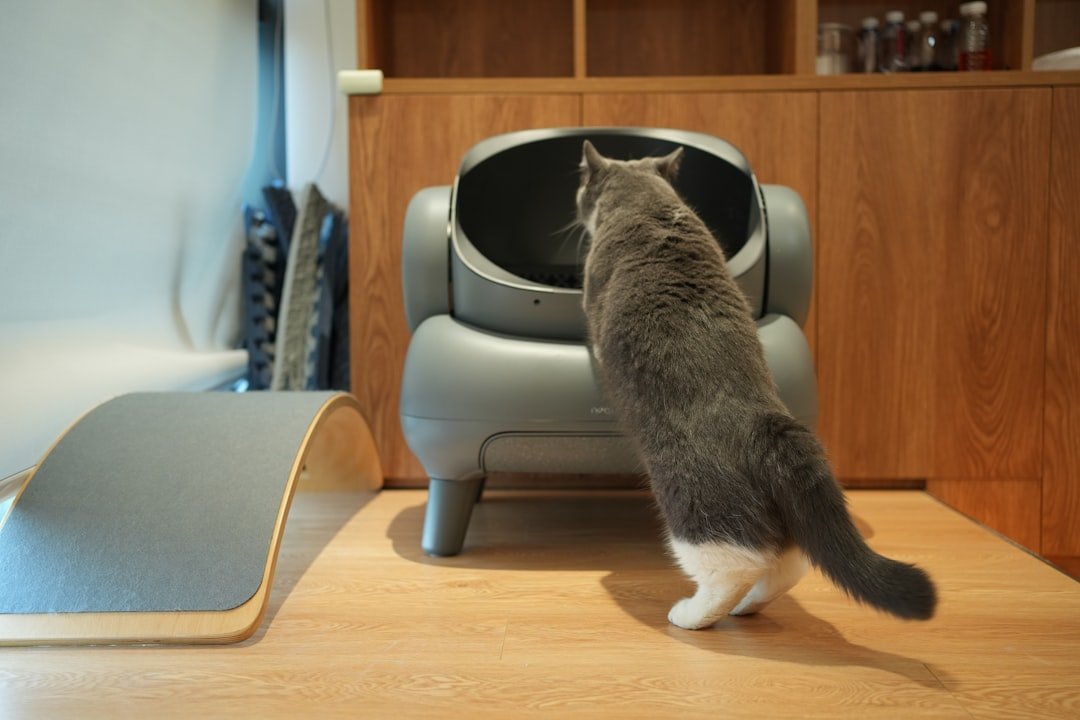
You find a wet patch beside the sofa, on the bath mat, or in a laundry basket, even though the litter box was cleaned yesterday. Why is my cat peeing outside the litter box? The short answer is that your cat may be uncomfortable, unable to get to or use the box easily, unhappy with something about the setup, or stressed by a change at home. Why is my cat peeing outside the litter box is a question worth taking seriously because urinary problems can look like a behavior issue at first.
Do not assume your cat is being spiteful or “getting back at you.” Cats do not usually connect urinating outside the box with punishment, revenge, or a rule they have decided to break. They choose a spot that feels safer, softer, easier to reach, or less painful than the box. The first step is a veterinary check, especially when the change is new or sudden.
Why is my cat peeing outside the litter box?
The two broad categories are medical and behavioral causes. They often overlap. A cat with urinary pain may begin avoiding the litter box because it associates that location with discomfort. The pain may improve, but the new habit can continue until the box and surrounding routine feel safe again.
Look closely at what is happening. A full puddle on a horizontal surface usually means urination. Small amounts sprayed on a wall, door, window, or furniture leg can be urine marking. Marking often happens while a cat is standing with its tail raised and may leave urine on vertical surfaces. Both patterns deserve attention, and either can have a medical or stress-related component.
Medical causes to rule out first
Urinary tract discomfort is one of the most common reasons for a litter-trained cat to change its habits. Cats can have bladder inflammation, crystals, stones, infections, or other lower urinary tract problems. In younger adult cats, a bacterial urinary infection is not always the cause, so a veterinarian may need to examine your cat and test a urine sample rather than guessing.
Other health issues can lead to more frequent or larger urination. Kidney disease, diabetes, thyroid disease in older cats, arthritis, constipation, cognitive changes, and some medications may affect litter box use. Arthritis matters more than many people realize. A high-sided box, a covered entrance, or a box downstairs can be difficult for a sore cat to manage.
| What you notice | What it can suggest | What to do |
|---|---|---|
| Repeated trips to the box with little urine, straining, crying, or licking the genital area | Urinary discomfort or a possible blockage | Contact a veterinarian urgently. A male cat that cannot pass urine needs emergency care. |
| Blood-tinged urine, sudden accidents, or a strong change in urine odor | Urinary tract irritation or another medical problem | Arrange a veterinary appointment promptly. |
| Large puddles and noticeably increased drinking | A condition that increases urine volume | Book a veterinary visit and note changes in thirst, appetite, and weight. |
| Small amounts on walls, doors, or windows | Urine marking, stress, territorial concern, or occasionally urinary discomfort | Rule out medical issues, then review household triggers and cleaning. |
| Accidents near the box or reluctance to step into it | Pain, mobility trouble, box aversion, or an unsuitable setup | Offer a low-entry box and discuss pain or mobility changes with a veterinarian. |
A urinary blockage is an emergency. This is especially common in male cats because their urethra is narrower. Seek emergency veterinary help if your cat repeatedly strains but produces no urine or only drops, seems distressed, vomits, hides unusually, has a painful-looking abdomen, or becomes weak. Do not wait to see whether it resolves overnight.
For a non-emergency appointment, useful notes include when the accidents began, how often they happen, whether your cat is drinking more, and whether urine appears in large puddles or tiny spots. If you can safely collect a fresh sample according to your clinic’s instructions, ask whether they want one. Do not give human pain medicine or leftover antibiotics. Many common human medicines are dangerous for cats.
Behavioral and environmental causes
Once medical causes are being addressed or ruled out, look at the litter box through your cat’s eyes. Cats can be particular about texture, cleanliness, location, privacy, and access. A box that seems acceptable to us can be unpleasant to a cat.
The most useful starting point is the number of boxes. A common guideline is one box per cat, plus one extra. Two cats generally need three boxes in separate locations. This reduces waiting, guarding, and conflict. Putting three boxes side by side does not create three genuinely separate toilet options for a cat that feels cornered by another cat.
Size also matters. Many commercial boxes are too small for a grown cat. Aim for a box about one and a half times your cat’s body length, measured from nose to base of tail. Large, open storage tubs can work well when modified safely with a low entrance, though the plastic should have smooth edges and the box should be stable.
Most cats prefer unscented clumping litter with a fine, sand-like feel. Strong fragrance may bother some cats, and sudden litter changes can trigger avoidance. If you need to switch litter, mix a small amount of the new litter into the old and change gradually over several days. Keep one familiar box available during the transition when possible.
Scoop waste at least once daily. Twice daily is better in a multi-cat home or for a cat that is fussy about cleanliness. Empty, wash, and refill boxes regularly using mild unscented soap and water. Skip heavily perfumed cleaners around the box. Their smell can linger even when the box looks clean.
Location can make a good box unusable
Choose quiet, easy-to-reach locations where your cat has a clear way out. A box beside a washing machine, furnace, or noisy dryer may startle a cat. A box in a dead-end closet can leave a cat feeling trapped. Keep litter boxes away from food and water bowls. Cats generally prefer some separation between where they eat and where they toilet.
In a multi-level home, place boxes on more than one floor. An older cat may not make it downstairs in time, and a nervous cat may avoid a route that another pet controls. If a dog, child, or another cat bothers your cat near the box, move the box or create a calmer route. Covered boxes help some cats feel sheltered, but others dislike the confined space or trapped odor. An open box is often the simplest option to test first.
Stress can change toileting habits
Stress is real for cats, even when the household change seems minor. A new pet, visitor, baby, renovation, altered work schedule, neighborhood cat visible through a window, or tension between resident cats can affect litter box habits. Some cats begin marking; others choose quiet hidden surfaces such as bedding or piles of clothes.
Watch for small signs of conflict. One cat staring at another near the hallway, blocking a doorway, following closely, or sitting near a litter box can be enough to make the other cat avoid it. You may never see a fight. Give each cat separate resting areas, feeding stations, water sources, scratching spots, and litter boxes placed apart from one another.
Routine helps. Keep meals, play, and cleaning fairly predictable. Give your cat a quiet place to rest away from household traffic. Short interactive play sessions can help some cats release tension, especially when they are followed by a small meal. If outdoor cats are causing agitation at windows, reduce the view with a privacy film or move furniture away from that window.
How to respond without making the problem worse
Never punish your cat, rub its nose near the accident, shout, or shut it in a room with a box as punishment. These responses can increase fear and may make your cat hide accidents. Your cat needs a calm reset, not a lesson.
Clean every accident thoroughly with an enzymatic pet urine cleaner made for the surface involved. Follow the product directions and allow enough contact time. Ordinary soap may remove the visible stain while leaving odor traces your cat can detect. Avoid ammonia-based cleaners, since their odor can resemble urine. Do not use a steam cleaner on urine stains unless the manufacturer says it is appropriate, because heat can set odor into some fabrics.
Temporarily block access to repeatedly soiled areas if you can. Pick up laundry, close doors, cover a favored spot with a washable waterproof barrier, or place a litter box nearby for a short period. If your cat uses that box reliably, move it gradually toward a more suitable permanent location. Move it a little at a time rather than relocating it across the house in one day.
Keep a simple record for one or two weeks. Write down the time, location, amount, nearby activity, box condition, and which pets were around. Patterns often appear. Accidents after the vacuum runs, near a particular door, or only in one room point to different practical changes.
When to get extra help
Contact a veterinarian whenever a previously reliable cat starts urinating outside the box, even if you also see an obvious household trigger. Get prompt help for blood in urine, straining, frequent tiny urinations, increased thirst, appetite changes, weight changes, vomiting, reduced energy, or signs of pain.
If your veterinarian has not found a medical cause and the problem continues after you improve the box setup and reduce stress, ask for behavior guidance. Your clinic may recommend a veterinary behavior professional or a qualified cat behavior consultant. Bring your notes, the number and type of boxes you use, and a basic map of where they sit. Small details often matter.
Most cases improve through a combination of medical care when needed, cleaner and more accessible boxes, and a calmer setup. Start with health, then make the litter box easy to choose every time.
Related posts
This post is for general informational purposes only and is not veterinary advice. Every cat is different — if you have concerns about your cat’s health or behavior, please consult a qualified veterinarian.