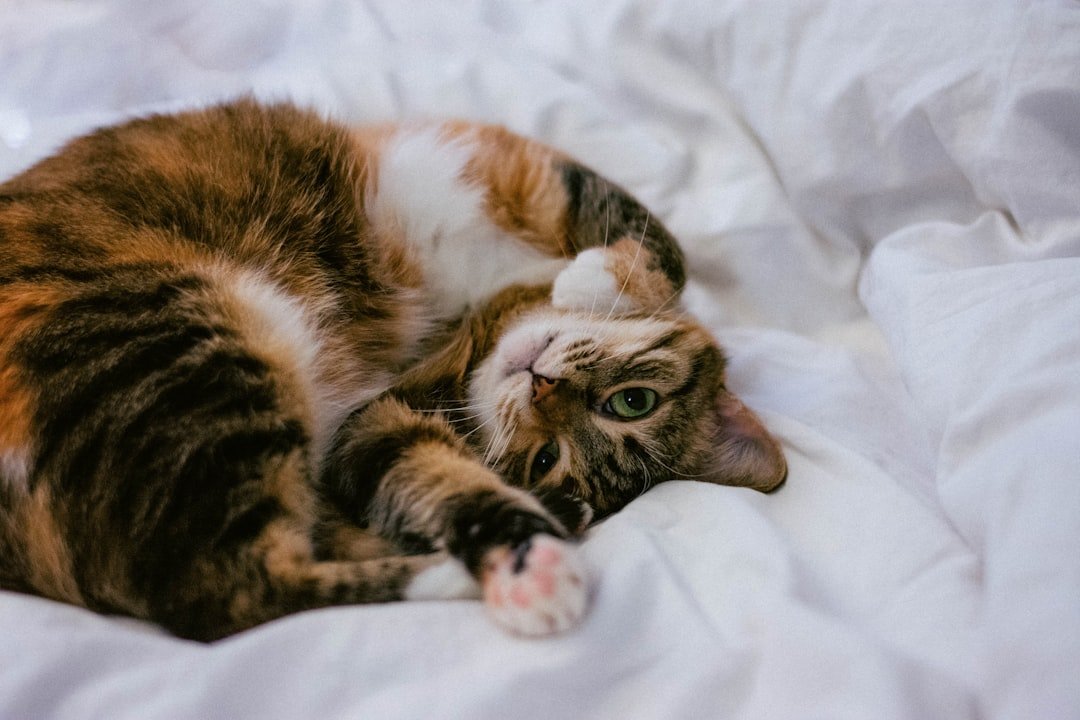
The best flea treatment for sensitive cats is a product chosen with a veterinarian when possible, especially if your cat has had skin irritation, illness, or a previous medication reaction. Gentle and effective options often include carefully selected topical treatments, prescription products, or flea-control plans that treat both the cat and the home. Start slowly.
Sensitive cats need more than the mildest-looking package. A treatment has to control fleas well enough to stop ongoing bites, while also fitting your cat’s age, weight, medical history, and tolerance for handling. Flea bites themselves can cause intense itching in some cats, so avoiding treatment altogether may leave a cat more uncomfortable than a properly chosen product would.
There is no single best choice for every cat. One cat may do well with a spot-on treatment but resent a collar, while another may have sensitive skin and need a different active ingredient or a prescription option. The goal is effective flea control with the lowest practical risk for that individual cat.
Best flea treatment for sensitive cats starts with the cause
Before buying anything, try to separate a possible product reaction from flea-related skin trouble. This matters. Cats can scratch, overgroom, develop scabs, or act restless because of flea bites, flea allergy, mites, skin infection, stress, or other health issues. A vet can help sort out what is going on when the signs are severe, sudden, or persistent.
A suspected reaction after flea treatment deserves prompt attention. Watch for unusual drooling, vomiting, weakness, trembling, trouble walking, facial swelling, marked agitation, trouble breathing, or a painful-looking application site. Call a veterinarian or an emergency veterinary service promptly if you see serious signs. Keep the package nearby because the ingredient list, product name, dose, and application time are useful information.
Do not reapply a product because fleas are still visible after a day or two. Adult fleas can jump onto a treated cat before they die, and flea eggs or pupae in the home may continue to emerge for weeks. More product is not better.
What makes a flea treatment gentler
Gentle does not mean weak. It usually means the product has an appropriate active ingredient, correct dose, clear feline labeling, and a delivery method your cat can tolerate without excessive stress or skin contact problems.
Look first for a label that specifically says it is for cats. Never use a dog flea treatment on a cat unless a veterinarian has explicitly directed it. Dog products may contain concentrations or ingredients that are unsafe for cats, particularly permethrin and related pyrethroid insecticides. Even small exposures can be dangerous.
Age and body weight limits are equally important. A kitten product is not automatically suitable for every kitten, and dividing one tube between cats can create dosing errors. Use the exact product and dose intended for your cat’s current weight. Measure carefully.
For a cat with easily irritated skin, check where the product is applied and whether the instructions call for one spot or several. Part the fur until you can see the skin, then place a topical product where the cat cannot readily lick it, usually high on the back of the neck. Let it dry fully. Keep cats apart until the application area is dry so they do not groom each other.
A product’s inactive ingredients can matter too. Carriers, fragrance, alcohol content, and the oily feel of a topical can affect comfort even when the active ingredient is suitable. Packaging does not always explain every individual sensitivity, so a prior reaction is a good reason to ask a veterinarian about alternatives rather than trialing several products at home.
Compare the main flea treatment types
Topical spot-on treatments are common because they are easy to buy and apply. Products sold in many regions include active ingredients such as fipronil, imidacloprid, selamectin, fluralaner, or combinations of these. Availability and prescription status vary by country. Check the current local label.
For sensitive cats, a topical may be a reasonable choice when the cat tolerates skin application and the product has worked safely before. Some formulations kill adult fleas only, while others also interrupt parts of the flea life cycle or cover certain parasites. Broader coverage can be useful, but it also means more active ingredients. More coverage is not automatically the better fit.
Prescription topical products may be helpful when over-the-counter options have failed, when fleas are difficult to control, or when a cat also needs parasite prevention selected by a veterinarian. Revolution Plus and Bravecto Plus are examples of prescription topical products in some markets, but their approved uses, age limits, and availability differ by region. Ask about the specific label for your cat.
Oral flea medicines avoid residue on the coat and may suit cats that react to topical carriers or hate the feeling of liquid on their skin. That said, giving a tablet can be stressful, and oral products still have active ingredients with cautions. Some flea medicines in the isoxazoline class carry label warnings about possible neurologic adverse events in susceptible pets. A veterinarian should guide the decision for a cat with a seizure history, tremors, or neurologic concerns.
Flea collars can offer longer-lasting protection with less frequent handling. They are not ideal for every sensitive cat. A collar can rub the neck, snag on objects, cause localized irritation, or become a source of stress for a cat that dislikes wearing one. If you consider a collar, choose one labeled for cats, follow the fit instructions exactly, and check the neck skin regularly.
Flea shampoos, sprays, powders, and wipes can look like mild alternatives, but they have trade-offs. Many give only brief protection, require more handling, or expose the cat to fragrance and skin contact over a larger area. Baths are stressful for plenty of cats. They rarely solve a household flea problem alone.
Product ingredients and trade-offs to discuss
Fipronil-based topical products, such as some Frontline formulations, are widely known flea-control options. A cat may tolerate one fipronil formula well and dislike another formula’s carrier, so brand changes are not always simple. Read the full label.
Imidacloprid-based products, including some Advantage formulations, are another common topical category. Some versions pair imidacloprid with another ingredient to address additional parasites or flea life stages. That may reduce the need for separate products, but it also adds another variable if a sensitive cat has a reaction.
Selamectin-based treatments are prescription products in many places and may cover fleas along with certain other parasites. This can be convenient when a veterinarian recommends that broader protection. It is still medication, not a universally gentle default.
Natural or plant-based flea products deserve extra caution. Essential oils and botanical ingredients are often marketed as gentle, yet cats process many compounds differently than people do, and concentrated oils can be unsafe. Tea tree oil is a particularly concerning example. Do not apply essential oils to your cat or add them to a flea treatment plan unless a veterinarian has given clear guidance.
Do not combine flea products without veterinary advice. A collar plus a spot-on product, two different spot-ons, or a flea shampoo used near the same time as another treatment can increase exposure or create unnecessary side effects. One well-chosen treatment is easier to monitor.
Flea control needs home treatment too
A flea product on the cat handles only part of the problem. Flea eggs, larvae, and pupae can remain in bedding, rugs, furniture cracks, and other protected areas. This is why a cat may seem to have fleas again even after a treatment appears to work.
Vacuum carpets, upholstered furniture, baseboards, and places where your cat sleeps. Empty the vacuum outside if possible. Wash pet bedding on the hottest setting the fabric allows, then dry it thoroughly. Repeat the routine regularly during an active flea problem.
Every pet in the home may need an appropriate flea-control plan. Treating only one pet can allow fleas to keep reproducing on another animal. Ask a veterinarian which products are suitable for each species and age group in the household. Dogs and cats need different products.
Home insecticide sprays and foggers are not automatically the easy answer. Cats can be exposed through wet surfaces, aerosol residue, grooming, or poor ventilation. If you use a household pest-control product, follow its pet instructions exactly and keep cats away for the stated period. Professional pest-control companies should know that cats live in the home.
How to make the first application safer
If your veterinarian agrees with a new product, choose a day when you can observe your cat afterward. Do not apply it right before travel, a move, boarding, or a busy holiday. Quiet is better.
- Confirm your cat’s current weight and the product’s age limit.
- Read the full label before opening the package.
- Apply only the labeled amount at the labeled site.
- Prevent licking until a topical application is dry.
- Write down the product name, dose, date, and any changes you notice.
Keep the packaging until you know your cat has tolerated the product. It can help if you need to call a clinic or manufacturer. If your cat has had a past reaction, take a photo of any skin changes and record when they appeared. Details help.
Do not rely on a tiny test dose unless a veterinarian specifically tells you to do that. A partial dose may not be protective, and it does not reliably predict whether a full dose will cause a problem. Follow professional guidance instead.
When a veterinarian should guide the purchase
Veterinary advice is especially useful for kittens, senior cats, pregnant or nursing cats, underweight cats, and cats with ongoing medical conditions. The same is true if your cat takes other medications or has reacted to flea products before. These cats need individual decisions.
Contact a veterinarian before purchasing another treatment if your cat has sores, extensive hair loss, repeated vomiting, a major behavior change, or visible parasites despite regular prevention. The problem may need more than a different retail product. A clinic can also recommend a safe schedule for switching treatments.
If budget is a concern, say so plainly. Many clinics can discuss options with different price points, whether a prescription is needed, and which home-cleaning steps matter most. Prices vary by region, product size, and local prescription rules.
FAQ
What is the safest flea treatment for a cat with sensitive skin?
The safest option depends on what has made the cat sensitive. A cat with skin irritation may do better with a veterinarian-selected oral medicine, a different topical formulation, or a prescription treatment, but there is no universal safest brand. Avoid using a product again if it caused a concerning reaction without speaking to a veterinarian.
Can I use a natural flea treatment on my sensitive cat?
Natural does not automatically mean safe for cats. Essential oils and concentrated botanical products can cause serious problems, and many natural products do not provide reliable flea control. Use only products specifically labeled for cats, and ask a veterinarian before using plant-based treatments.
Why does my cat still have fleas after treatment?
New adult fleas can emerge from eggs and pupae in the home after you treat the cat. That is common. Continue the product on its labeled schedule, clean the home consistently, and make sure other pets receive species-appropriate flea control. If fleas continue after several weeks of correct use, contact a veterinarian.
Can I give my cat a flea bath after a topical treatment?
Check the specific product label first. Bathing too soon can reduce the effectiveness of some topical treatments or irritate the skin further. Do not add a flea shampoo without veterinary advice, especially for a cat that is already sensitive or has had a reaction.
Related posts
This post is for general informational purposes only and is not veterinary advice. Every cat is different — if you have concerns about your cat’s health or behavior, please consult a qualified veterinarian.