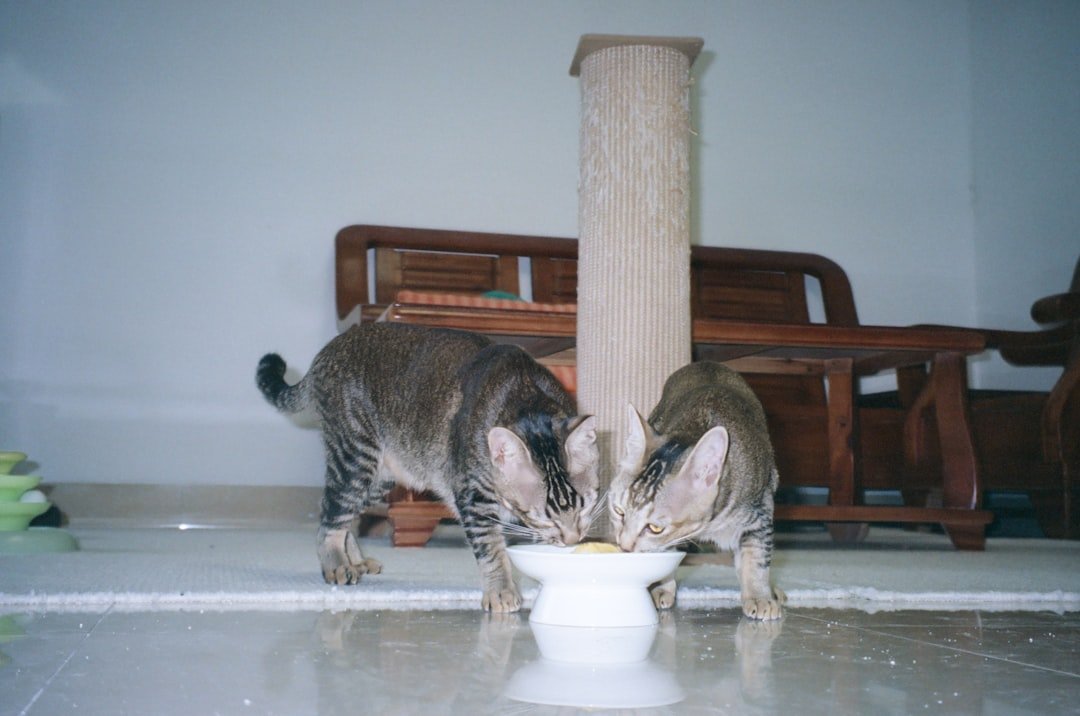
To learn how to stop cat from eating too fast, give the same daily food in smaller portions and make your cat work around a safe feeding surface instead of eating from one open bowl. The most useful changes are slow feeding methods that suit the food you already use and that your cat will tolerate calmly. Start with one change.
Fast eating is common, especially in cats that once competed for meals, have a predictable rush of hunger before dinner, or simply find their food very appealing. A cat may swallow dry kibble with barely any chewing, then bring it back up soon after the meal because the stomach filled too quickly. That is unpleasant. It does not automatically mean illness, but repeated vomiting, a sudden change in appetite, weight loss, diarrhea, or low energy deserves a call to a veterinarian.
How to stop cat from eating too fast
Begin by measuring the total amount your cat normally receives in a day, then divide that amount into more eating opportunities rather than adding extra food. This keeps the calorie amount steady while reducing the size of each rush-to-eat meal. Small steps work best.
- Measure one full day’s food using the feeding plan you and your veterinarian have chosen.
- Split it into at least two meals, or three to four smaller meals if your schedule and cat allow.
- Put one meal in a slow feeder, puzzle feeder, muffin tin, or on a flat plate with food spaced apart.
- Watch the first few meals to make sure your cat can reach the food without becoming upset or giving up.
- Keep the setup that slows eating without making meals frustrating, and reassess portions if treats are part of the daily intake.
If you currently feed one cup of dry food daily, for example, do not add a cup to fill several puzzles. Divide that one cup into four quarter-cup portions, then offer them through the day or place one portion in a feeder at each mealtime. Measure it. Automatic feeders can help when a cat wakes you early for breakfast or gulps a large evening meal after a long workday, provided the feeder releases a portion your cat can eat safely.
Choose slow feeding methods that fit the food
The best slow feeding method depends on whether your cat eats dry food, wet food, or both. Some cats enjoy batting kibble from a puzzle, while others do better with food simply spread over a broad surface. Keep it easy at first.
| Method | Best for | How to use it | Watch for |
|---|---|---|---|
| Slow-feed bowl | Dry food or firm wet food | Place the usual measured meal between the raised sections. | Choose shallow grooves so whiskers and face can reach the food. |
| Flat plate or tray | Wet food and dry food | Spread food into several small patches across a wide, clean surface. | This is simple, but it may not slow a determined cat as much as a puzzle. |
| Food puzzle | Dry food | Start with an easy puzzle and leave some food accessible at first. | Supervise early use and clean it often so old crumbs do not build up. |
| Silicone lick mat | Wet food, pate, or a small portion of cat-safe puree | Press a thin layer into the texture instead of piling food on top. | A chilled mat may make a wet meal last longer, but do not leave perishables out for long. |
| Timed feeder | Portioned dry food | Program several small releases using the cat’s usual daily amount. | Check that it dispenses reliably and that another pet cannot take the food. |
For wet food, a dinner plate is often more effective than a deep bowl because you can smear a thin layer across it. A lick mat can extend the meal further, but use only a manageable amount so food does not sit at room temperature for hours. Wash it daily. For dry food, start with a simple rolling or stationary puzzle that releases kibble easily, then increase difficulty only after your cat understands the idea.
Make mealtimes feel less competitive
A cat who thinks another animal may steal dinner often eats at top speed, even when there is enough food available. Feed pets in separate rooms with doors closed if possible, or use separate feeding areas that prevent staring and rushing. Privacy helps.
Do not stand over your cat, repeatedly move the bowl, or take food away as a way to teach slower eating. That can make a worried eater finish even faster. Instead, put the meal down in a quiet spot and give your cat time to investigate the new feeder without pressure. Familiar routines matter.
- Feed each cat its own measured portion in a separate location.
- Pick up leftover wet food after a reasonable meal period rather than leaving it down all day.
- Keep the feeding area away from a busy doorway, barking dog, or loud appliance.
- Use a stable dish that will not slide across the floor as the cat eats.
- Introduce a new feeder alongside a regular dish for the first few meals if your cat seems uncertain.
If your cat has always had food available all day, shifting suddenly to a few restricted meals may make them more frantic at first. You can still use slow feeding methods, but make the schedule change gradually over several days while keeping the daily amount consistent. Go slowly.
Check whether the method is working
Time one ordinary meal before changing anything, then time the same portion with your chosen setup. Many cats do not need an extremely difficult puzzle. The goal is a calmer, longer meal, not a challenge that leaves food untouched or causes obvious agitation.
Look at the whole picture over a week. Is your cat finishing meals at a more relaxed pace, keeping food down more consistently, and maintaining the body condition plan set with your veterinarian? Those are useful signs. If the feeder causes paw irritation, chipped teeth concerns, frustration, or food refusal, switch to an easier option such as a plate with widely spaced portions.
Frequently asked questions
Can I put a ball in my cat’s food bowl?
A large, smooth object that cannot be swallowed is sometimes used to make a cat eat around it, but a purpose-made slow feeder is usually easier to clean and less likely to create a safety concern. Never use small balls, loose toys, or anything your cat could chew apart. Keep it simple.
Do slow feeders work for wet cat food?
Yes, many do, especially shallow slow-feed dishes and silicone lick mats. Spread the wet food in a thin layer so your cat has to lick around the surface rather than taking large mouthfuls. A flat plate works too. Clean the feeding item after each wet-food meal.
How many meals should a fast-eating cat have?
There is no single number for every cat, but splitting the same daily ration into two to four meals is a practical starting point for many households. Your cat’s age, health needs, current feeding plan, and household routine all matter. Keep portions measured.
Why does my cat eat fast and then vomit?
Eating quickly can cause some cats to bring up food soon after a meal, particularly dry kibble swallowed in a hurry. Other problems can also cause vomiting, so do not assume speed is the only explanation if it happens repeatedly or comes with appetite, stool, weight, or behavior changes. Call your veterinarian for guidance.
Should I make a hungry cat wait longer between meals?
Usually, making a hungry cat wait longer does not teach slower eating and may increase the rush when food arrives. Smaller measured meals and a simple slow feeder are generally a kinder first approach. Keep the routine predictable.
This post is for general informational purposes only and is not veterinary advice. Every cat is different — if you have concerns about your cat’s health or behavior, please consult a qualified veterinarian.