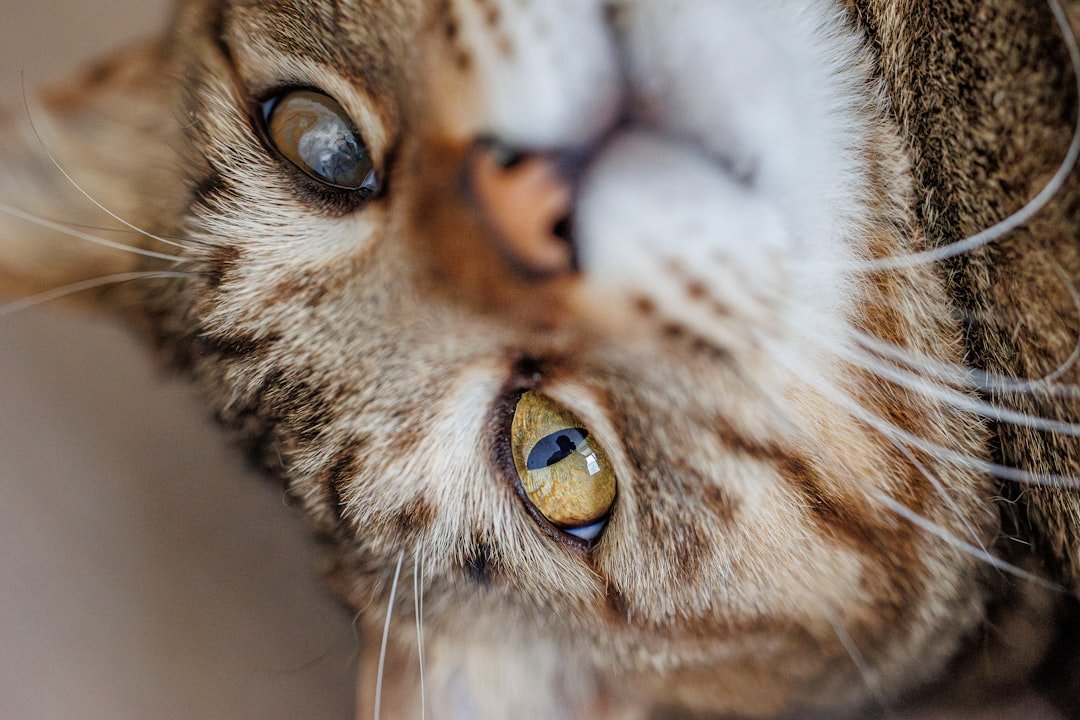
Gently wipe away the discharge with a clean cotton pad dampened with lukewarm water, using a fresh pad for each eye. Start there. If you are wondering why does my cat have runny eyes, note which eye is affected, what the fluid looks like, and whether your cat is squinting before you try any other at-home care. Those small details help you decide how quickly to call a veterinarian.
Why does my cat have runny eyes?
A cat’s eyes may water when something mildly irritates the surface of the eye, such as dust, smoke, scented sprays, household cleaners, or a loose hair. This is common. Some cats also produce more tears because of their face shape, especially cats with short noses and prominent eyes, and the moisture may leave rusty or brownish marks in the fur beneath the inner eye corners.
Runny eyes can also happen alongside a feline upper respiratory infection, where the nose may be stuffy and the cat may sneeze or eat less because smells are harder to detect. Other possibilities include inflammation of the eyelids or eye surface, a scratched eye, an object caught under an eyelid, blocked tear drainage, or an issue deeper in the eye. You cannot sort these out reliably at home. The appearance of the eye and your cat’s comfort matter more than guessing the cause.
Clear tears are often linked with irritation or normal tearing, while thicker yellow, green, white, or sticky discharge deserves more attention, particularly if it returns soon after cleaning. Color is only one clue. A painful eye can water heavily even when the discharge is clear.
Check your cat before cleaning again
Use a calm moment in good light and look without holding the eyelids open or pressing on the eye. Keep it simple. Compare the two eyes, because a one-sided problem and a two-sided problem can point you toward different next steps, although both can still need veterinary attention.
| What you notice | What it may mean for next steps |
|---|---|
| Small amount of clear tearing, open comfortable eyes, normal behavior | Remove likely irritants, clean gently, and monitor closely for a short period. |
| Discharge in both eyes with sneezing or a runny nose | Arrange veterinary advice, especially for kittens, older cats, or cats that are eating less. |
| Thick or sticky discharge, eyelid redness, or repeated crusting | Contact a veterinarian soon. Cleaning may improve comfort but does not address the cause. |
| Squinting, keeping an eye shut, cloudy surface, marked swelling, or visible injury | Seek veterinary care the same day. Eye pain and surface injuries can worsen quickly. |
| Sudden tearing after cleaner, spray, or another chemical contacts the eye | Flush gently with clean lukewarm water and contact a veterinarian or local animal poison service promptly. |
Look for a red inner eyelid, puffiness around the eye, a film or blue-gray haze over the clear front surface, a pupil that looks different from the other side, or a third eyelid that remains visible. Do not poke at it. Also notice whether your cat is rubbing the face on furniture, pawing at the eye, hiding, avoiding bright rooms, or refusing food.
Safe at-home care tips for mild discharge
For a cat who has a small amount of clear or dried discharge but otherwise seems comfortable, gentle cleaning and a quieter environment are sensible first steps. Less is better. The goal is to remove crusts and avoid adding more irritation, not to treat an unknown eye condition with products from the medicine cabinet.
- Wash your hands, then prepare a clean soft cloth, gauze pad, or cotton round with lukewarm water. It should feel comfortably warm, never hot.
- Let your cat settle on a stable surface or sit beside you. A second person can calmly offer a favorite treat if your cat accepts treats.
- Hold the damp pad against dried discharge for several seconds to soften it. Do not scrub.
- Wipe from the inner corner outward in one gentle pass. Use a new pad before touching the other eye.
- Stop if your cat pulls away, cries, clamps the eyelids shut, or becomes distressed. Those are useful warning signs.
- Check the eye again later rather than cleaning over and over. Frequent rubbing can irritate the delicate skin around the eye.
Plain lukewarm water is usually enough for routine wiping. Sterile saline made for rinsing eyes may be an option if you already have a plain product, but check the label carefully and avoid anything with redness relievers, preservatives intended for contacts, or medication. Keep products basic. A veterinarian can tell you whether a specific rinse is suitable for your cat.
You can reduce common irritants by avoiding smoke near the cat, pausing scented candles and aerosol sprays, and keeping dusty litter or cleaning fumes away from the area where your cat rests. Open windows may help some homes, but outdoor pollen or smoke can make matters worse in others. Watch the pattern. If tearing increases after a particular product or activity, remove that likely trigger and see whether the eyes improve.
If discharge mats the fur under the eye, soften it first instead of pulling at it. A tiny amount of warm water on a pad often does the job. Long-haired cats may need careful grooming around the face, but do not trim close to the eye with scissors while your cat is awake and moving.
What not to put in your cat’s eyes
Do not use human eye drops, leftover antibiotic drops, ointments from another pet, contact lens solution, hydrogen peroxide, essential oils, herbal washes, or tea bags on or near your cat’s eyes. Skip them. Even a product that seems harmless can sting, contain an unsuitable ingredient, contaminate the eye, or delay the care your cat needs.
Do not try to remove a visible object that appears stuck to the eye, and do not pull an eyelid back forcefully to inspect underneath it. A cat can jerk suddenly. You may accidentally scratch the eye or turn a small problem into a more painful one.
A cone or soft recovery collar may reduce rubbing if you already have one that fits safely, but it does not replace an examination when the eye looks painful or abnormal. Make sure your cat can breathe, drink, and move normally in any collar. Remove it if it causes panic or creates a safety problem.
When to call a veterinarian
Call a veterinarian the same day if your cat squints, holds one or both eyes closed, seems sensitive to light, has a cloudy-looking eye, has significant redness or swelling, has blood in or around the eye, or may have been scratched or exposed to a chemical. Do not wait overnight with those signs. Cats often hide discomfort, so eye changes are worth taking seriously even when the rest of the day looks fairly normal.
Arrange an appointment soon when discharge is thick, colored, recurrent, or paired with sneezing, nasal discharge, low appetite, tiredness, or a change in litter box habits. Kittens need particular attention. They can become dehydrated or decline faster when respiratory symptoms interfere with eating and drinking.
If mild clear tearing is the only sign and your cat stays bright, eats normally, keeps both eyes open, and seems comfortable, monitor after removing obvious irritants and cleaning gently. A reasonable threshold is simple: if it is not clearly settling within 24 hours, if it keeps returning, or if any pain sign appears, contact the clinic. A short phone call can help you choose the right urgency.
Make useful notes for the appointment
Before calling, write down when the tearing started, whether one or both eyes are involved, and whether your cat has sneezed, coughed, eaten less, or had contact with a new cat. Photos help. Take one in natural light before cleaning if you can do so without stressing your cat, then note whether the discharge returns within a few hours.
Also mention recent changes at home, such as new litter, air fresheners, painting, cleaning products, boarding, travel, or a scuffle with another pet. These details can matter. Bring or photograph labels for anything that may have splashed near the eye, but do not delay urgent care while collecting information.
Most importantly, trust changes in comfort. A little tear staining in an otherwise relaxed cat is different from an eye that looks painful, closed, swollen, or hazy. Gentle wiping is useful at home, but a cat with warning signs needs a veterinarian to examine the eye safely.
Related posts
This post is for general informational purposes only and is not veterinary advice. Every cat is different — if you have concerns about your cat’s health or behavior, please consult a qualified veterinarian.