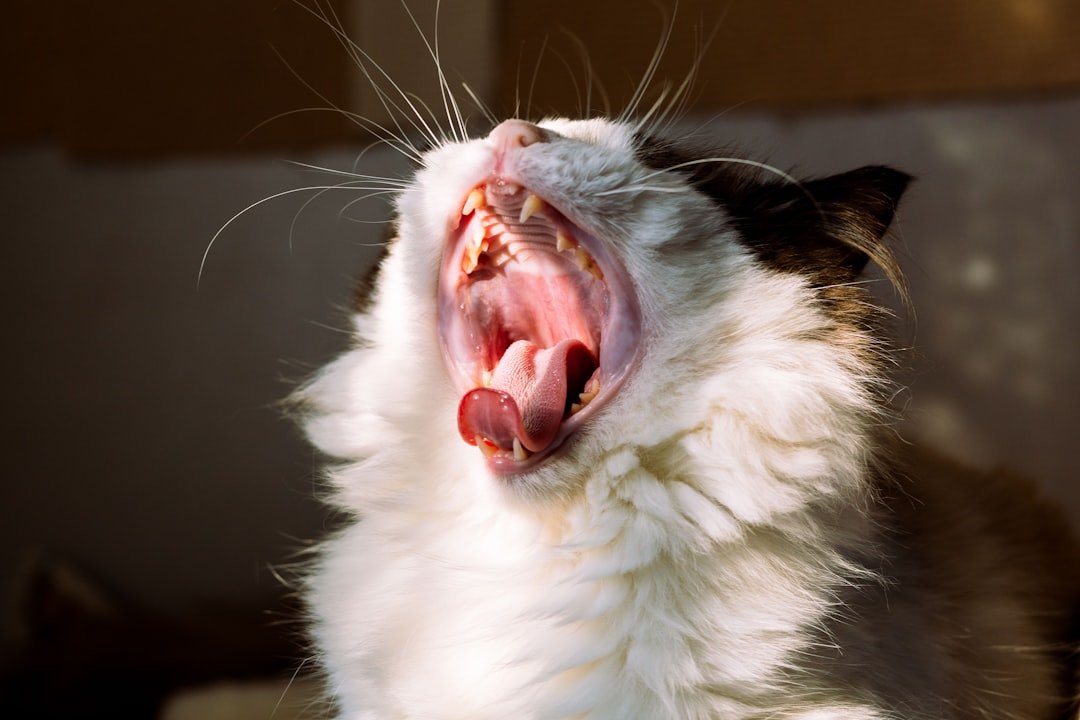
Cat has bad breath causes often start in the mouth, especially plaque, tartar, irritated gums, or food trapped near the teeth. A cat has bad breath causes question also deserves a closer look when the odor is new, strong, or does not improve, because mouth pain and other health concerns are possible. Bad breath is not normal.
A faint smell after a fish-based meal can happen. Breath that smells rotten, sour, bloody, unusually sweet, or like ammonia is different, particularly if your cat also eats less, drools, paws at the mouth, or seems uncomfortable while chewing. Call a veterinarian promptly in those cases. Cats often hide pain.
Common cat has bad breath causes
Plaque is the most common starting point. It is a soft film that builds on teeth after meals, and it can harden into tartar if it stays there. Tartar gives bacteria more places to collect, while inflamed gums can make breath noticeably foul. This can progress quietly.
Gum disease and painful tooth problems are common in adult cats, but they cannot be identified reliably by smell alone. A cat may still eat even when its mouth hurts, since cats can adapt by chewing on one side or swallowing food with little chewing. Eating does not rule out pain.
Something caught in the mouth can also cause an abrupt odor. A bit of food, hair, plant material, or string-like material may sit between teeth or under the tongue. Never pull string from your cat’s mouth. It can be anchored farther along the digestive tract.
Kittens can have temporary breath changes while baby teeth fall out and adult teeth come in. Their gums may be mildly tender, and small amounts of blood can appear around a loose tooth. Still, a persistent bad smell, visible swelling, or trouble eating needs a veterinary check. Teething should not cause severe odor.
Dry mouth, reduced grooming, and food residue can contribute too. Some cats develop bad breath alongside conditions outside the mouth, including digestive upset or problems that affect how the body processes waste. Breath odor cannot tell you the cause by itself. A veterinarian may recommend an exam and tests based on the whole picture.
When bad breath needs veterinary care
Arrange a veterinary appointment if bad breath lasts more than a few days despite normal eating and drinking, or sooner if you can see tartar, red gums, broken teeth, mouth sores, or a lump. A proper oral examination may require more than a quick look because much of each tooth sits below the gumline. Dental disease can hide there.
Seek urgent veterinary advice if your cat will not eat, has trouble swallowing, repeatedly drops food, has facial swelling, bleeds from the mouth, seems weak, vomits repeatedly, or has string hanging from the mouth. These signs do not confirm one specific problem. They do mean waiting on home care is not a good plan.
Do not try to scrape tartar off at home. You can cut the gums, crack a tooth, or miss disease below the gumline, and an awake cat may bite when frightened or sore. Professional dental cleaning is different because the veterinary team can assess the entire mouth safely. It is more than cosmetic cleaning.
Home remedies to try safely
Home care can reduce fresh food residue and slow new plaque buildup, but it will not remove hardened tartar or fix an infected or damaged tooth. Start only if your cat is comfortable with gentle handling and has no warning signs. Go slowly.
-
Offer fresh water in clean bowls and wash bowls daily. Some cats drink more from a fountain, though a fountain is optional. Better hydration may help with dry, stale-smelling breath.
-
Look at the outside of the teeth and gumline when your cat is relaxed. Lift the lip briefly rather than forcing the mouth open. Stop if your cat pulls away or seems painful.
-
Use a cat-specific toothbrush or soft finger brush with cat toothpaste. Apply a tiny smear, then brush the outer surfaces of the teeth for a few seconds. Human toothpaste is unsafe for cats.
-
Build up gradually over several days or weeks. One or two teeth on the first day is enough. End before your cat gets upset.
-
Ask your veterinarian about cat dental chews, dental diets, gels, or water additives that suit your cat. Products with a current Veterinary Oral Health Council seal have met its standards for the claim listed, but check the official product list because products and formulas can change.
Brushing is usually the most useful at-home option because it physically disrupts plaque at the gumline. Daily brushing is ideal if your cat accepts it, but several calm sessions per week are more useful than a stressful attempt that makes future handling harder. Small progress counts.
Use only toothpaste made for cats. Do not use baking soda, salt, hydrogen peroxide, mouthwash, essential oils, coconut oil, lemon juice, charcoal powder, or human dental gels. Cats swallow what goes into their mouths, and several common household products can irritate tissues or create toxicity risks. “Natural” does not mean cat-safe.
Dental treats and diets may help some cats, but they are not interchangeable with every treat marketed for oral care. Check the feeding instructions and calories, especially for a cat that gains weight easily. One dental treat can still add up.
Wet food does not automatically cause bad breath, and dry food does not automatically clean teeth. The best diet is one that meets your cat’s nutritional needs and that they can eat comfortably. If you are considering a dental diet, ask whether it fits your cat’s age, weight, urinary needs, and current health plan.
A simple seven-day check
For one week, note when you notice the odor and whether it changes after meals, drinking, or brushing. Also watch appetite, chewing, water intake, drooling, stool changes, and general behavior. Keep it simple.
For example, if your cat’s breath smells mildly stale after dinner but is much better after a few days of gentle brushing, continue the routine and mention it at the next regular visit. If the smell remains strong every morning, worsens, or comes with red gums or food dropping, book an appointment instead of adding more products. The pattern matters more than one sniff.
Take a clear photo of visible tartar, gum redness, or a suspicious spot if your cat allows it without stress. Photos can help you describe changes to the clinic, but do not force your cat’s mouth open to get one. Safety comes first.
FAQ
Can cat food cause bad breath?
Food can leave a temporary smell, especially after strongly scented meals, but it should fade. Ongoing foul breath is more often linked to plaque, gum inflammation, or another issue that needs evaluation. Persistent odor deserves attention.
Can I use human toothpaste on my cat?
No. Human toothpaste is made to be spit out and may contain ingredients that are not appropriate for cats to swallow. Choose a toothpaste labeled for cats, and use only a very small amount. Never force brushing.
How often should I brush my cat’s teeth?
Daily is the usual goal for plaque control, but many cats need a gradual introduction. Start with a few seconds several times a week and increase only if your cat stays relaxed. A calm routine is better.
Why does my cat’s breath suddenly smell bad?
A sudden change can happen when food or material is trapped in the mouth, when a tooth or gum problem becomes more noticeable, or when your cat is unwell for another reason. Check for obvious signs without probing, then contact a veterinarian if the smell persists or your cat acts differently. Sudden changes matter.
Will a dental treat remove tartar?
Dental treats may reduce some new plaque when used as directed, but they do not reliably remove hardened tartar already attached to teeth. Visible tartar, red gums, or ongoing bad breath calls for a veterinary discussion. Treats are maintenance tools.
Related posts
This post is for general informational purposes only and is not veterinary advice. Every cat is different — if you have concerns about your cat’s health or behavior, please consult a qualified veterinarian.