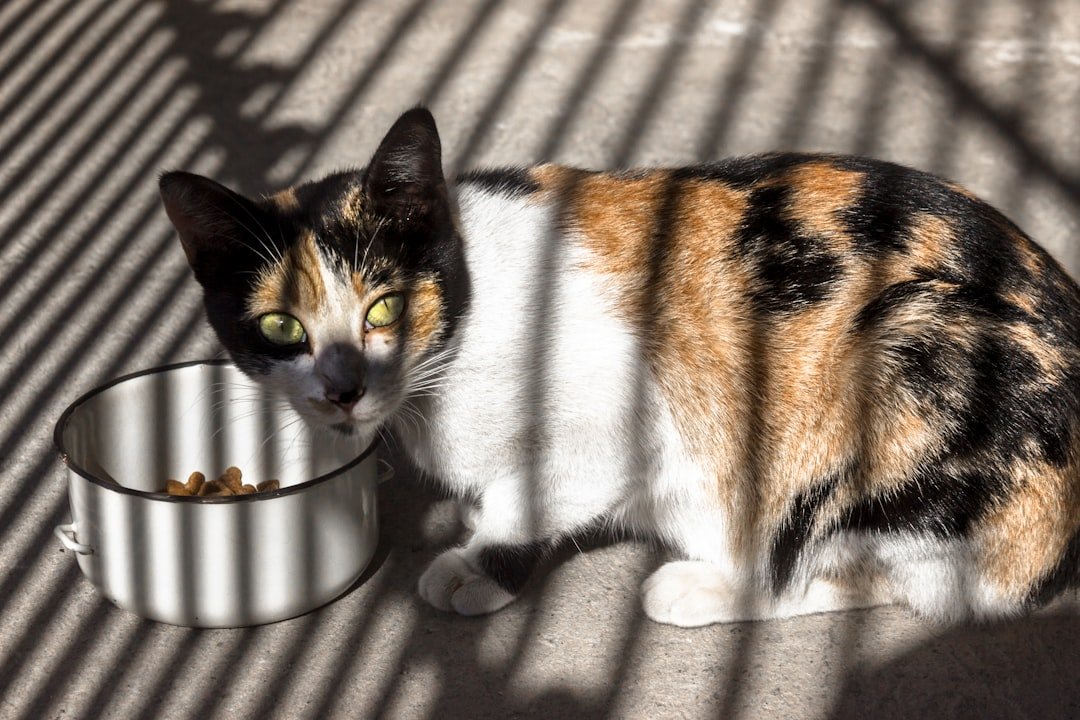
A common misconception is that weight loss is harmless if a cat is still eating. It is not always harmless. If you are asking why is my cat losing weight suddenly, the change may be easier to notice than the cause, because cats often hide discomfort and can keep eating despite an underlying problem. Why is my cat losing weight suddenly is a question that calls for a veterinary appointment soon, particularly if the loss is clear, ongoing, or paired with changes in thirst, litter box habits, energy, or appetite.
Why is my cat losing weight suddenly?
Weight loss means your cat has lost body tissue or body fat, not simply that the scale shifted after a large meal or litter box visit. Small changes matter. A cat that drops from 10 pounds to 9 pounds has lost 10 percent of their body weight, which is a meaningful change even if they still look fairly normal under their coat.
Use the same scale when you can. Weigh yourself, then weigh yourself holding your cat, and subtract the first number, or use a pet scale if one is available. Record the date and result once a week rather than relying on memory. A veterinarian can compare that trend with your cat’s prior records and assess body condition, muscle loss, hydration, teeth, and other clues that a home scale cannot show.
Common causes explained
| Possible cause | Changes you may notice | Why a checkup helps |
|---|---|---|
| Food or routine change | Less interest in a new food, missed meals, competition at bowls | Helps rule out illness and review calorie intake |
| Dental or mouth discomfort | Dropping food, chewing slowly, bad breath, avoiding dry food | Oral pain can be hidden during a brief meal |
| Digestive problems | Vomiting, diarrhea, larger stools, appetite changes | Testing may identify inflammation, parasites, or poor digestion |
| Hormone or organ conditions | Increased thirst, urination, hunger, restlessness, low energy | Blood and urine tests can look for patterns |
A simple food issue can cause weight loss. Cats may eat less after a recipe change, a move, a new pet, a noisy feeding spot, or a bowl placed too close to a litter box. Check the label directions, measure what you offer, and make sure another pet is not taking the food. Do not assume this is the whole answer if weight continues to fall.
Dental disease and mouth pain are common reasons a cat may want food but struggle to eat it. Watch for food falling from the mouth, head tilting while chewing, pawing at the face, stronger breath odor, or a preference for soft food. Some cats show none of these signs. A cat can swallow enough food to look interested at meals while avoiding the amount needed to maintain weight.
Digestive trouble can reduce how much nourishment a cat gets from food. Vomiting, loose stool, constipation, parasites, inflammatory bowel conditions, food sensitivity, and problems involving the pancreas are examples a veterinarian may consider based on the full picture. Keep a note of stool changes. Photos of unusual vomit or stool can also be useful for the appointment if you can take them safely and without delaying care.
Some medical conditions can cause a cat to lose weight while eating normally or even eating more. Hyperthyroidism, diabetes, kidney disease, and some intestinal disorders are commonly considered in adult and older cats, but only an examination and appropriate tests can sort out possible causes. Appetite alone is not a reliable measure of health. A hungry cat can still be losing muscle and fat.
Stress can affect eating, especially in sensitive cats. A new baby, construction noise, boarding, conflict with another cat, or a change in your work schedule may reduce food intake. Stress is real. Still, it should not be used to explain away unexpected weight loss before a veterinarian has considered physical causes.
When to call the veterinarian
Arrange a veterinary visit within a few days when you have confirmed unexplained weight loss, even if your cat seems bright and is eating. Call sooner if the change feels rapid. Cats have relatively little reserve when they stop eating, and going without adequate food can become serious faster than many owners expect.
Seek urgent veterinary guidance the same day if your cat has not eaten for about 24 hours, is repeatedly vomiting, has trouble breathing, seems weak or collapsed, has yellow-looking gums or eyes, strains to urinate, or appears severely painful. Do not force-feed a sick cat unless a veterinarian has told you how. It can cause stress and may be unsafe in some situations.
What to do before the appointment
- Confirm the change. Weigh your cat and write down the number, date, and scale used. Keep it simple.
- Track food and water. Measure food offered and leftovers for two or three days, including treats and food stolen from other pets.
- Watch the litter box. Note urine clump size, frequency, stool consistency, and any straining or accidents.
- Write down behavior changes. Include hiding, extra vocalizing, reduced jumping, restlessness, or changes in grooming.
- Bring useful details. Take the food packaging, supplement list, current medications, and recent weight notes to the visit.
Keep your cat’s usual food available unless a veterinarian advises a change. Sudden diet switches can upset some cats, and trying several foods at once makes it harder to know what they are actually eating. Fresh water should be easy to reach. If you have multiple cats, feed separately for a short period so you can see who eats what.
FAQ
Can a cat lose weight from stress alone?
Stress can reduce appetite or make a cat avoid the food bowl. It happens. However, unexplained weight loss still needs a veterinary check because stress and illness can occur at the same time.
My cat is eating more but losing weight. Is that concerning?
Yes, that pattern is worth a prompt appointment. Increased appetite with weight loss can occur with several conditions that need testing, so measure food intake and note changes in drinking, urination, activity, and stool.
How much weight loss is too much?
There is no safe universal number for every cat. A visible drop in body shape, loss of muscle over the spine or hips, or a repeated downward scale trend is enough reason to call, especially in a senior cat or a cat with other symptoms.
Should I give high-calorie treats to help?
Ask the veterinarian first. Extra treats may hide a falling appetite, upset digestion, or interfere with a planned diet, while the underlying reason for weight loss remains unaddressed.
Related posts
This post is for general informational purposes only and is not veterinary advice. Every cat is different — if you have concerns about your cat’s health or behavior, please consult a qualified veterinarian.