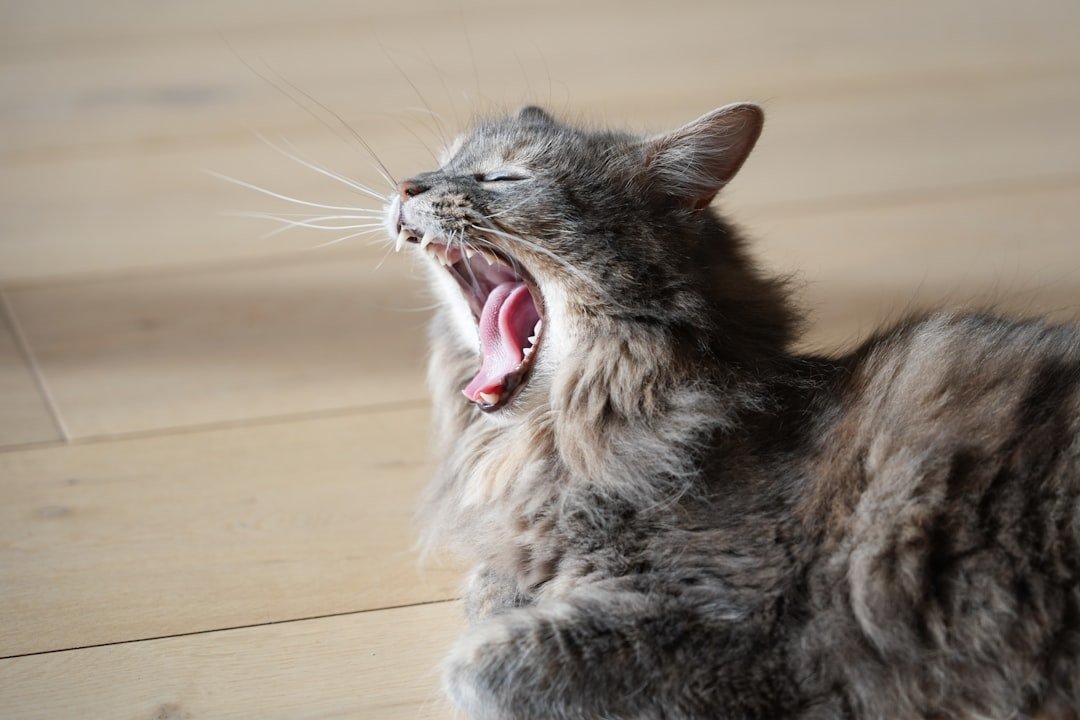
The most useful thing you can do right now is watch your cat’s breathing, appetite, energy, and any discharge from the eyes or nose, then write down what you see. Start today. If you are asking, “why does my cat sneeze frequently,” those details help separate an occasional irritation from a pattern that needs a veterinary visit. A sneeze or two is common. Repeated sneezing over several days, or sneezing paired with other changes, deserves closer attention.
Why does my cat sneeze frequently?
Cats sneeze when something irritates the lining of their nose, or when the upper airways are inflamed. The cause can be as simple as dusty litter kicked into the air, but frequent episodes may also happen with contagious respiratory illnesses, dental problems that affect nearby nasal passages, or material lodged in the nose. Context matters. A cat that sneezes once after investigating a dusty shelf is different from a cat that has bouts of sneezing every day and leaves wet marks around the nostrils.
Upper respiratory infections are a common reason for repeated sneezing in cats, particularly in kittens, recently adopted cats, cats that spend time around unfamiliar cats, or cats living in multi-cat homes. These illnesses may spread through close contact and shared bowls, bedding, or hands that have handled an unwell cat. Watch the whole cat. Sneezing with watery eyes, a runny nose, reduced appetite, or low energy suggests your cat may feel unwell beyond simple nasal irritation.
Environmental irritants can also set off sneezing, especially if the timing matches a new product or household change. Scented litter, aerosol sprays, perfume, smoke, incense, strong cleaning products, construction dust, and essential-oil diffusers can all bother a cat’s sensitive airways. Cats are low to the ground. What seems like a mild smell to you may be much more concentrated where your cat walks, sleeps, and uses the litter box.
Some cats sneeze after eating or drinking because crumbs, water, or a quick sniff irritate the nose. A single episode is usually less concerning. Repeated sneezing during meals, trouble chewing, dropping food, bad breath, or pawing at the mouth should be mentioned to a veterinarian because mouth and tooth issues can sometimes affect the area around the nose. Do not inspect deeply. Trying to open a resistant cat’s mouth can cause stress or a bite.
A foreign object, such as a grass seed, can sometimes trigger sudden and persistent sneezing, often with discharge that seems worse from one nostril. Nasal growths or longer-term inflammation are other possibilities a veterinarian may consider, particularly when sneezing continues for weeks or repeatedly returns. You cannot sort these out at home. The useful job at home is noticing the pattern and keeping your cat comfortable while arranging care when needed.
When to see a vet
Call a veterinarian the same day if your cat is sneezing frequently and also will not eat, seems unusually quiet, has thick yellow, green, bloody, or foul-smelling discharge, or develops squinting, swollen eyelids, or sticky eye discharge. Do not wait. Cats can become dehydrated or eat too little when a blocked nose makes food hard to smell, and a vet can assess what support or treatment is appropriate.
Seek urgent veterinary help if your cat is breathing with an open mouth, has obvious effort when breathing, makes harsh or unusual breathing noises while resting, collapses, has pale or bluish gums, or cannot settle because breathing looks difficult. This is urgent. Sneezing itself is usually not the emergency, but impaired breathing can be serious and should not be managed with home remedies.
For an adult cat that is otherwise bright, eating normally, and only has a few sneezes without discharge, it is reasonable to monitor closely while removing likely irritants. Keep notes. If the sneezing lasts more than a few days, becomes more frequent, returns again and again, or you simply feel something is off, book a routine appointment. Kittens, senior cats, and cats with known ongoing health concerns deserve a lower threshold for calling because they may have less room to cope with illness.
What to check before you call
A short record can make the conversation with the clinic much clearer. Take a brief video if you can safely catch an episode. A video helps distinguish a true sneeze from coughing, gagging, retching, or a reverse-sneeze-like snort, which can look similar but may lead the veterinarian to ask different questions.
- Timing: Note when it started, how many episodes happen in a day, and whether it occurs around meals, litter use, grooming, or a certain room.
- Discharge: Check whether the nose or eyes are dry, watery, cloudy, thick, bloody, or affected on one side more than the other.
- Daily habits: Record appetite, drinking, litter-box use, sleep, play, and whether your cat is hiding more than usual.
- Recent exposure: Mention new cats, boarding, grooming, a shelter visit, household guests with pets, new litter, sprays, smoke, or dusty renovation work.
- Vaccination and history: Have your cat’s recent veterinary history available, including previous respiratory episodes and current medications.
Keep the notes simple. For example, “Sneezed eight times after using new scented litter, no eye discharge, ate breakfast normally” is more useful than “seems sniffly.” If you call the clinic, mention any change in breathing first. That detail affects how quickly they may want to see your cat.
Safe steps you can take at home
Remove obvious airborne irritants first. Switch off diffusers, avoid aerosols near your cat, keep smoke away from the home, and use an unscented, low-dust litter if litter dust seems connected to the episodes. Make one change at a time. If you replace everything at once, it becomes harder to tell what helped or what your cat dislikes.
Offer food with a stronger aroma if your congested cat seems interested but hesitant to eat, such as their usual wet food warmed slightly until it is just lukewarm. Test the temperature first. Warm food can smell more noticeable, but do not force-feed a cat or syringe food or water unless a veterinarian has specifically shown you how and advised it for your cat.
You can gently wipe visible nasal or eye discharge with a soft cloth dampened in plain warm water, using a clean area of the cloth for each eye. Be gentle. Stop if your cat struggles, and never put cotton swabs, drops, oils, vapor rub, or other products into or around the nostrils unless a veterinarian has directed you to use a specific product.
A calm room with easy access to water, food, and a clean litter box can help a mildly unwell cat rest while you monitor them. Separate sick cats from other cats where practical, especially if they share bowls or sleep together, because some respiratory illnesses can pass between cats. Wash your hands after handling discharge. This is a sensible precaution, not a substitute for veterinary advice.
What not to give your cat
Do not give human cold medicine, decongestants, cough syrup, pain relievers, antihistamines, leftover antibiotics, or essential oils for sneezing unless your veterinarian has prescribed a product and dose for your individual cat. Many common human products can be dangerous to cats. A small dose is not automatically safe. The same caution applies to internet remedies that suggest steam additives, menthol products, or herbal preparations.
Plain humidity may feel more comfortable for some cats with a dry nose, but avoid trapping your cat in a steamy bathroom or forcing them near a humidifier. Let your cat choose. Keep humidifiers clean according to the manufacturer’s instructions, since dirty units can spread mineral dust or microbes into the air.
Preventing repeat irritation
You cannot prevent every sneeze, but you can reduce avoidable triggers by keeping litter areas clean, choosing lower-dust and unscented products, vacuuming regularly, and avoiding smoke and fragrance sprays indoors. Small changes add up. If your cat repeatedly sneezes after a particular product enters the home, stop using it and note that connection for the next veterinary visit.
Regular veterinary care also gives you a chance to discuss vaccination, dental care, and recurring respiratory signs before they become more disruptive. Keep your cat’s routine steady. A clear record of frequency, discharge, appetite, and breathing is often the most practical answer to “why does my cat sneeze frequently,” because it gives the veterinary team the information they need to guide the next step.
Related posts
This post is for general informational purposes only and is not veterinary advice. Every cat is different — if you have concerns about your cat’s health or behavior, please consult a qualified veterinarian.