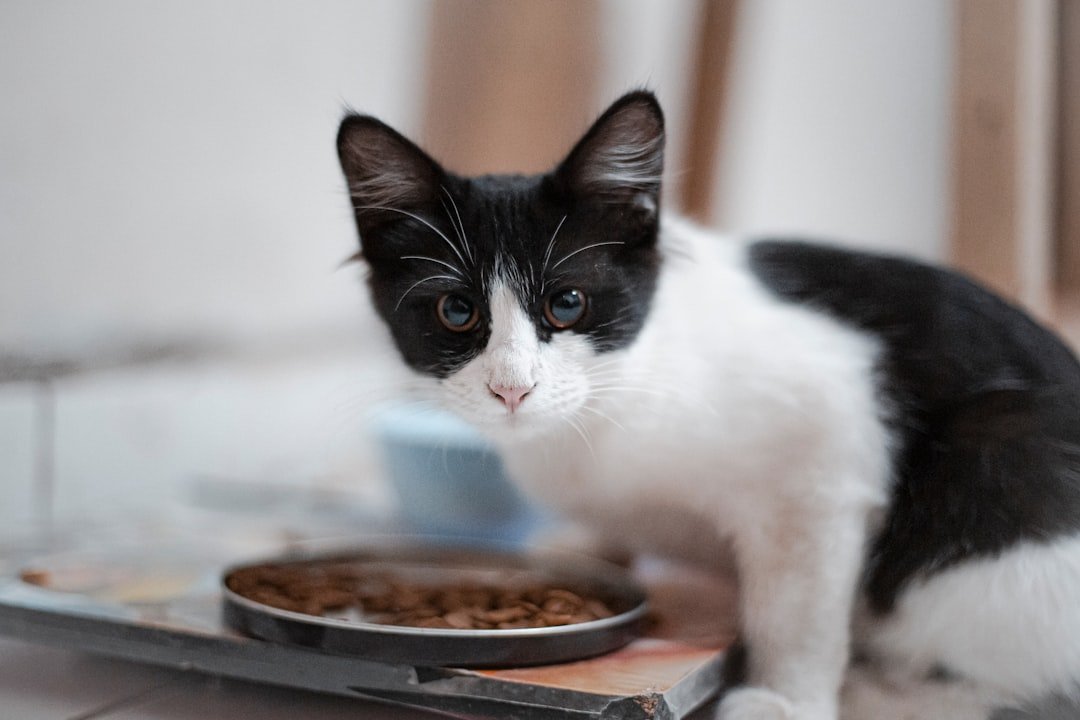
Your cat walks to the bowl, takes a few bites, and leaves a wet patch of saliva beside the food. Cat drooling excessively while eating can be normal when a cat is excited by food or has a brief response to a strong smell, but cat drooling excessively while eating is a red flag when it is new, heavy, persistent, or paired with pain, poor eating, vomiting, or unusual behavior. Pause and watch. The useful question is not whether you see one drop of saliva, but whether this is different for your cat and whether eating still looks comfortable.
When cat drooling excessively while eating can be normal
Some cats drool a little when they anticipate a favorite meal, especially wet food with a strong scent. This is usually a small amount of clear saliva, and the cat otherwise approaches the bowl eagerly, chews normally, finishes the meal, and acts like itself afterward. It may happen only around certain foods. A cat that purrs, kneads, or rubs against you before dinner may also drool from relaxed excitement, much as some cats drool during affectionate petting.
Brief drooling can also happen when a cat tastes something unusually appealing or gets food on the tongue that triggers more saliva. That response should stop soon after the meal. Look for a pattern. If saliva is only slightly increased at dinner and your cat has no trouble picking up food, swallowing, grooming, or accepting gentle contact around the face, it is often reasonable to observe rather than panic.
Normal-looking drool is generally clear and thin. The cat should not fling its head, paw at the mouth, chew only on one side, or walk away from food after seeming hungry. Those details matter. A happy food response tends to be predictable and short, while discomfort often changes the whole eating routine.
Signs that drooling is a red flag
Drooling deserves a veterinary call when it begins suddenly, becomes much heavier than usual, or comes with a change in appetite or behavior. New patterns count. Cats often hide discomfort, so a cat that still comes to the bowl but eats slowly, drops kibble, or chooses soft food may be giving an early clue that chewing or swallowing does not feel right.
| What you see | What it may suggest | What to do |
|---|---|---|
| A few clear drops only around a favorite meal, with normal eating | Food anticipation or a brief taste response | Monitor the pattern and note whether it stays mild |
| Drool plus bad breath, red gums, pawing at the mouth, or dropping food | Mouth or tooth discomfort | Arrange a veterinary appointment soon |
| Drool plus lip licking, repeated swallowing, hiding, or vomiting | Nausea or another illness affecting comfort | Contact a veterinarian for guidance |
| Foam, sudden heavy drool, trouble breathing, collapse, or possible toxin exposure | An urgent problem | Seek emergency veterinary help immediately |
Blood-tinged saliva, yellowish discharge, thick ropey drool, a very foul mouth odor, or swelling around the jaw are not typical food-excitement signs. Do not wait on those. A cat may also hold the head oddly, resist having the face touched, or groom less because the mouth is sore.
Pay close attention if your cat wants to eat but cannot manage it. Walking up to the bowl, sniffing, taking one bite, then backing away is different from ordinary pickiness. So is chewing with the mouth partly open. Cats normally eat with fairly quiet, efficient jaw movements, and obvious struggle is a reason to get help.
Why it happens during meals
Mouth discomfort is one common reason for excess saliva during eating because chewing puts pressure on teeth, gums, and other sensitive tissues. Plaque-related gum inflammation, damaged teeth, sores, irritation, growths, or something caught in the mouth can all make a meal uncomfortable. The cause is not always visible. A cat may have an issue below the gumline even if the front teeth look fairly clean from a quick glance.
Nausea can also cause drooling before or during a meal. Cats may lick their lips repeatedly, swallow often, sniff food and turn away, or vomit after seeming unsettled. Keep the timeline. Whether drooling starts before food appears, after a few bites, or only after eating gives the veterinarian more useful context than a general report that your cat is “drooling a lot.”
Occasionally, a cat salivates after tasting an unpleasant substance. Bitter medications, some household products, certain plants, topical flea products applied incorrectly, and residue on fur can trigger dramatic foaming or drool. This can look alarming. If you think your cat may have contacted a chemical, medication, plant, or unknown substance, remove access to it and call a veterinarian or local animal poison service right away rather than trying home treatments.
A foreign object is another concern, especially if drooling appears abruptly along with gagging, repeated swallowing, or pawing at the mouth. Thread, string, grass blades, bone fragments, and small pieces of packaging can cause problems. Never pull string from a cat’s mouth or rear end. It can be anchored internally, and pulling may cause serious injury.
Check safely before you call
You can gather useful information without forcing your cat’s mouth open. Safety first. A painful or frightened cat can bite, and pushing fingers into the mouth may also drive an object farther back.
- Observe one meal from a short distance. Note whether your cat starts eagerly, chews evenly, drops food, eats less, or leaves the bowl quickly.
- Look at the saliva. Note whether it is clear, foamy, thick, bloody, or mixed with food.
- Check the face without restraining your cat. Look for facial swelling, a wet chin, food stuck on fur, or discomfort when the cheeks are approached.
- If your cat allows it, gently lift the lip for a brief look at the front gums and teeth. Stop if your cat pulls away, growls, or becomes distressed.
- Think back over the last day or two. Consider new foods, medications, houseplants, cleaners, pest products, chewed items, vomiting, and changes in litter box habits.
- Take a short video of the eating behavior and a photo of the drool if possible. This helps show a pattern that may not happen in the clinic.
Do not use human mouth rinses, pain medicines, numbing gels, peroxide, or essential oils on a cat’s mouth. Skip home remedies. Many products that seem ordinary in a bathroom cabinet can be harmful to cats, and pain relief can mask signs a veterinarian needs to assess.
When to seek urgent care
Seek emergency veterinary care if drooling is sudden and severe, especially with breathing difficulty, repeated retching, collapse, tremors, seizures, major weakness, or an inability to swallow. Act quickly. These signs can occur with serious illness, obstruction, injury, or exposure to something toxic, and they are not safe to monitor overnight.
Also treat a suspected toxin exposure as urgent even if your cat seems mostly normal at first. Keep the product container, plant sample, or medication package if you can do so safely. Do not induce vomiting unless a veterinary professional specifically tells you to. The right response depends on what was involved and how much may have been swallowed.
If there is no emergency sign but your cat has mouth pain clues, reduced appetite, bad breath, ongoing drooling, or a clear change in eating, arrange an appointment promptly. Cats should not go long without adequate food. If your cat refuses food entirely, especially for about a day or sooner if the cat is already unwell, contact a veterinarian rather than waiting for the next routine visit.
What to track until the appointment
Write down when the drooling started, which foods trigger it, and whether it happens away from meals. Small details help. For example, “two clear drops only before wet food for three weeks, normal appetite” paints a very different picture from “heavy foam started this morning, cat will not eat kibble and paws at the mouth.”
Track how much your cat actually eats rather than relying only on interest in food. If you offer one 85-gram can and your cat eats roughly half, record that. Also note water intake, vomiting, stool changes, hiding, activity, and any new products used in the home. Do not suddenly switch through several foods to test the problem, since dietary changes can add stomach upset and make the original pattern harder to read.
Offer the usual food and fresh water unless a veterinary professional gives different instructions. Keep meals calm. If dry food seems difficult but your cat is otherwise stable and still interested in eating, mention that detail when you call rather than assuming the issue is simply preference.
The practical bottom line
A small amount of clear drool around a favorite meal can be normal if it is longstanding, brief, and not accompanied by any change in eating or comfort. Context matters. Heavy, new, foul-smelling, bloody, foamy, or persistent drooling is more concerning, especially when your cat avoids food, chews strangely, paws at the mouth, vomits, or may have contacted a toxin.
Trust changes you can see. You know your cat’s normal dinner routine better than anyone else, and a video plus a few notes can make a veterinary conversation much clearer. When in doubt, call the clinic and describe exactly what happens at the bowl.
Related posts
This post is for general informational purposes only and is not veterinary advice. Every cat is different — if you have concerns about your cat’s health or behavior, please consult a qualified veterinarian.