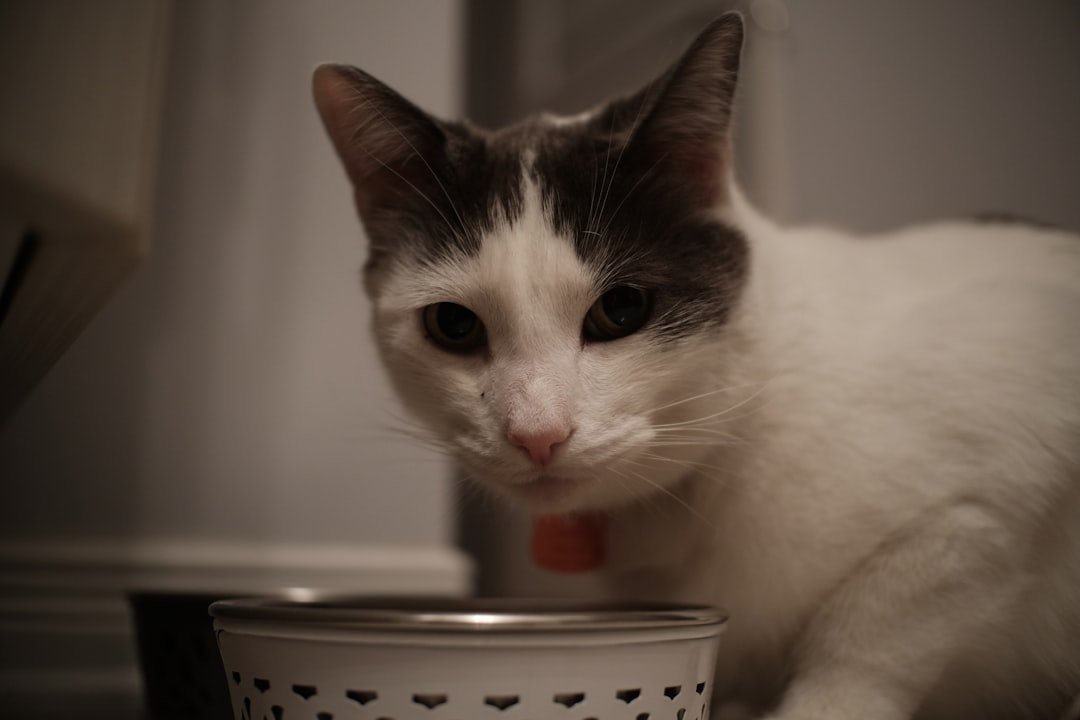
A common misconception is that the best food for cats with sensitive stomach issues is always a bland, grain-free, or expensive formula. It is not. The best food for cats with sensitive stomach concerns is a complete and balanced food your individual cat digests comfortably, changed over gradually and chosen with a veterinarian’s input when digestive signs keep returning. Start simple.
“Sensitive stomach” is a useful owner description, but it does not identify one cause or one perfect ingredient. A cat may vomit after eating too fast, react to a sudden diet switch, struggle with rich treats, dislike a food’s texture, or have a problem that needs veterinary assessment. Patterns matter. Repeated vomiting, diarrhea, poor appetite, weight loss, blood in stool, tiredness, or dehydration should not be treated as a food-shopping problem alone.
What the best food for cats with sensitive stomach concerns looks like
Look first for a statement that the food is complete and balanced for your cat’s life stage. This means it is designed to provide required nutrients when fed as the main diet, rather than acting as a topper or a short-term bland meal. Check the bag. Kittens need kitten food, and pregnant or nursing cats need food formulated for growth and reproduction.
Digestive-support foods often use highly digestible ingredients, a moderate fat level, selected fibers, or prebiotic ingredients intended to support the intestinal microbiome. Some include a single prominent animal protein, though that does not automatically make them appropriate for a true food allergy concern. Labels can be misleading. “Limited ingredient” and “sensitive” are marketing terms unless the full nutritional statement and ingredient list support what you need.
A practical choice is usually one formula with a clear feeding guide, dependable availability, and a nutrient profile suited to your cat. Consistency helps. If the food disappears from shelves every few months, frequent switches can make it harder to tell whether your cat is actually doing better.
Vet recommended options and what that phrase means
When people search for vet recommended options, they may mean one of two things: foods commonly suggested for mild, uncomplicated digestive sensitivity, or veterinary therapeutic diets used under veterinary direction. Those are different categories. A veterinarian may suggest a retail sensitive-digestion food for a healthy cat with occasional mild upset, while ongoing symptoms can call for an exam and a more specific diet trial.
Widely available retail lines include formulas such as Hill’s Science Diet Sensitive Stomach & Skin, Purina Pro Plan Sensitive Skin & Stomach, and Royal Canin Digestive Care. These products have different recipes, calorie counts, protein sources, and wet or dry formats, so compare the exact formula rather than relying on the front-of-bag name. Recipes change. Confirm current details on the manufacturer’s official product page before buying a large bag or case.
Veterinary therapeutic gastrointestinal diets are another category. They are often designed for digestibility and may use targeted fiber, fat levels, or hydrolyzed protein, depending on the formula. They are not automatically “stronger” or better for every cat. They can cost more, may require veterinary authorization depending on where you live, and are best selected after discussing your cat’s history with a veterinary professional.
| Food type | May suit | Trade-off to consider |
|---|---|---|
| Retail sensitive-digestion food | Cats with occasional mild digestive upset and no warning signs | “Sensitive” recipes vary widely, so one brand’s formula may not agree with your cat. |
| Limited-ingredient retail food | Cats whose veterinarian suggests simplifying the diet | Fewer ingredients do not prove the food is hypoallergenic or easier to digest. |
| Veterinary gastrointestinal diet | Cats with persistent signs or a veterinarian-guided diet trial | Higher cost and less flexibility in flavor or availability are common. |
| Wet food digestive formula | Cats that benefit from more dietary moisture or prefer soft food | Cases can be costly, and opened cans need prompt refrigeration and use. |
Ingredients and nutrition details worth comparing
Read the guaranteed analysis and calorie information along with the ingredient list. Ingredient lists tell you what is present by weight before cooking, but they do not tell you digestibility on their own. That is why a long list is not necessarily bad, and a short list is not necessarily good. Your cat decides.
Protein is essential for cats, but the particular source can matter for an individual animal. Chicken, turkey, salmon, whitefish, rabbit, and duck all appear in sensitive-stomach products. If your cat has eaten chicken-based foods for years without trouble, there is no automatic reason to avoid chicken. A new protein is most useful when a veterinarian believes a structured food trial makes sense.
Fat can affect how rich a food feels for some cats. A very high-fat recipe may be difficult for certain cats to tolerate, while a lower-fat food is not automatically the answer because cats still need sufficient energy and essential fatty acids. Compare calories. A food that looks mild can still be calorie-dense, which matters if your cat gains weight easily.
Fiber is another useful detail. Some formulas contain beet pulp, psyllium, cellulose, pumpkin, or prebiotic fibers such as fructooligosaccharides. Fiber can influence stool consistency, but the best type and amount differs between cats. Go slowly. Adding extra pumpkin, supplements, or probiotics on top of a new food makes it harder to identify what changed.
Wet versus dry food is mostly a question of your cat’s needs, preferences, household routine, and total water intake. Wet food contains much more moisture, which can help some cats take in more fluid through meals. Dry food is convenient and often less expensive per calorie. Either form can be nutritionally complete when it carries the appropriate nutritional adequacy statement.
How to switch food without upsetting the stomach further
Even an excellent formula can cause loose stool or vomiting if you replace the old diet overnight. A gradual switch reduces that risk for many cats. It also gives you a clearer view of whether the new recipe is a good fit. Use measured meals.
- Feed about 75 percent old food and 25 percent new food for two or three days.
- Move to roughly half old food and half new food for another two or three days if stools and appetite remain normal.
- Offer about 25 percent old food and 75 percent new food for two or three days.
- Finish the transition with the new food only, extending each stage if your cat seems unsettled.
For example, if your cat normally eats 60 grams of dry food daily, begin with 45 grams of the old food and 15 grams of the new food, split across normal meals. Keep treats steady. A cat that gets new food, new treats, flavored medicine, table scraps, and a supplement in the same week gives you no useful comparison.
Some cats need a slower transition lasting 10 to 14 days, especially after a recent digestive upset or when they are very food-sensitive. Do not starve a cat to force acceptance of a new food. Cats that stop eating can become seriously unwell, so contact a veterinarian promptly if your cat refuses food or eats very little.
Trade-offs that matter at the checkout
Price is real. Sensitive-digestion and veterinary diets often cost more than standard adult cat food, especially in wet formats or smaller bags. Compare cost per day instead of bag price alone. A $35 bag that feeds a 10-pound cat for six weeks may be a better value than a $25 bag that lasts three weeks, but feeding amounts vary by calorie density and your cat’s body condition.
Palatability matters too. A nutritionally suitable food has limited value if your cat refuses it, and changing foods repeatedly to chase enthusiasm can worsen a sensitive gut. Buy the smallest practical package first. Once your cat has tolerated it consistently and your veterinary team agrees it suits their needs, larger packaging may make more financial sense.
Be careful with online reviews. They can tell you whether buyers received damaged cans or had trouble finding a product, but they cannot tell you what will happen with your cat. Cats differ. One reviewer’s success may involve a different age, feeding amount, health history, treat routine, or transition speed than yours.
Subscription delivery can help with consistency, but leave enough time to reorder before you run out. An abrupt switch back to whatever is available can undo a carefully managed diet change. Store dry food in its original bag inside an airtight container, and keep wet food covered in the refrigerator after opening. Freshness matters.
When food shopping should pause for a vet visit
Contact a veterinarian rather than trying multiple store foods if vomiting happens repeatedly, diarrhea lasts more than a day or two, your cat seems painful, or there is blood in vomit or stool. Seek prompt help for a cat that is not eating, cannot keep water down, becomes weak, or has signs of dehydration. These are warning signs.
Bring useful information to the appointment: the current food name, treats, supplements, feeding schedule, photos of labels, and a brief record of symptoms. Include timing. Notes such as “vomited twice within an hour of dinner on Tuesday” are more helpful than “has a sensitive stomach sometimes.”
If a veterinarian recommends a food trial for a suspected dietary reaction, ask exactly what counts as a trial and which extras must stop. A proper trial may require feeding only the selected diet for a set period, with no flavored treats or other foods. Follow the plan closely. Small extras can muddy the result.
FAQ
Is grain-free food better for a cat with a sensitive stomach?
Not necessarily. Grain is not a common automatic cause of digestive trouble, and many cats tolerate foods containing grains very well. Choose a complete food based on your cat’s response and veterinary guidance, rather than assuming grain-free is gentler. Labels alone cannot predict tolerance.
Should I choose wet food or dry food?
Either can work. Wet food may be useful for cats that need more moisture in meals or strongly prefer a soft texture, while dry food can be easier to measure and store. The best choice is one your cat eats reliably, tolerates, and receives in an appropriate daily amount. Calories still count.
How long should I try a new sensitive-stomach food?
Give a gradual transition time, then watch appetite, stool quality, vomiting frequency, and comfort over the period your veterinarian suggests. A few days is often too short to judge a routine food change, but persistent or worsening signs are a reason to call the clinic sooner. Keep brief notes.
Can I mix several sensitive-stomach foods for variety?
You can ask your veterinarian about rotation once your cat is stable, but mixing several new foods at once is not a good way to identify tolerance. It adds variables. Start with one complete food, keep treats limited and consistent, and make later changes one at a time.
Are probiotics necessary?
They are not necessary for every cat, and probiotic products vary in strains, storage needs, and intended use. Ask your veterinarian before adding one, particularly if your cat has persistent symptoms or takes medication. Change one thing at a time so you can tell what is helping or causing trouble.
Related posts
This post is for general informational purposes only and is not veterinary advice. Every cat is different — if you have concerns about your cat’s health or behavior, please consult a qualified veterinarian.