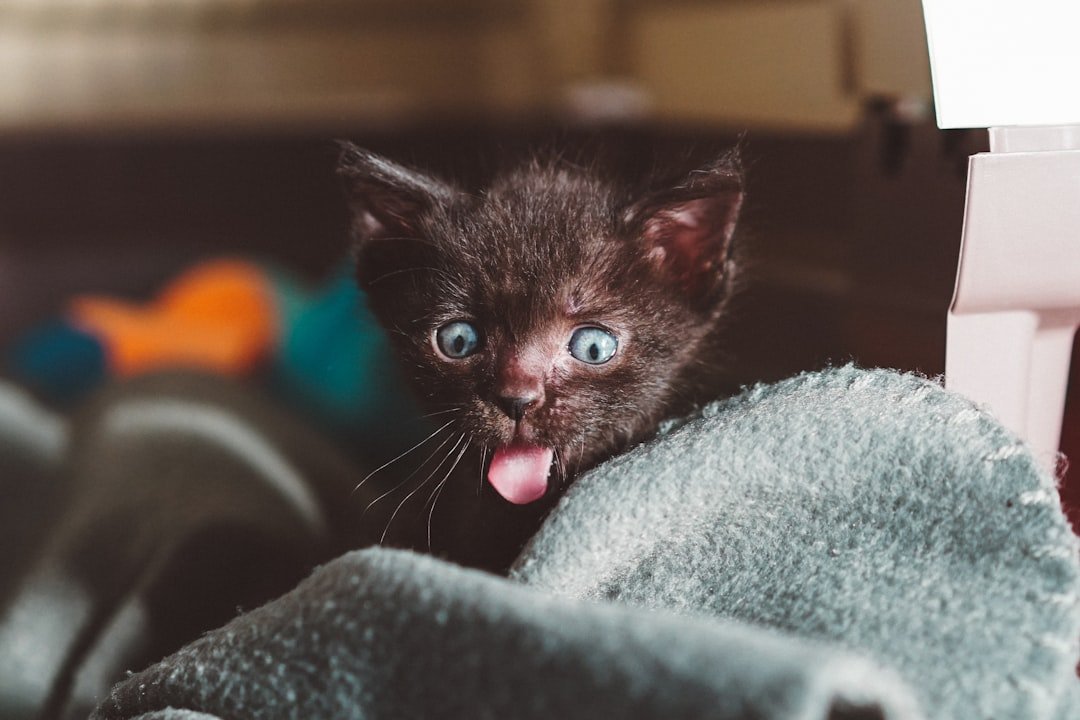
Start your first vet visit checklist for kittens by calling a veterinary clinic today and booking the earliest routine appointment that fits your kitten’s age and health needs. Do it today. Ask what records, stool sample, vaccination history, and payment details the clinic wants you to bring, because each practice may have its own intake process and kittens can change quickly in their first months. This first vet visit checklist for kittens also helps you avoid a rushed morning and gives the vet a clearer picture of your new cat.
First vet visit checklist for kittens
Put the appointment date in your calendar, then prepare a small folder or note on your phone. Keep it simple. The goal is to give the veterinary team accurate information about where your kitten came from, what they have eaten, any treatments already given, and anything you have noticed at home.
- Previous records. Bring adoption papers, shelter paperwork, breeder records, vaccine certificates, deworming information, and any test results you received. Even incomplete paperwork is useful.
- A secure carrier. Use a carrier with a solid base and a door that closes securely. A removable top can make handling less stressful for some kittens.
- A fresh stool sample if requested. Ask the clinic how fresh it should be and how to store it before the visit. Put it in a clean, sealed container.
- A list of food and treats. Note the brand, recipe, amount, feeding times, and any supplements. Bring a photo of the label if that is easier.
- Your questions. Write them down before leaving home. It is easy to forget details once you are holding a nervous kitten in an unfamiliar room.
- Payment and insurance details. Ask about the expected appointment charge when you book, since fees vary by region, clinic, and services provided. If you have pet insurance, check its enrollment rules and waiting periods directly with the insurer.
What to expect at the appointment
A first kitten appointment usually begins with a staff member taking a history and recording your kitten’s weight. It may feel busy. They may ask about appetite, drinking, litter box habits, energy level, coughing or sneezing, vomiting, loose stool, scratching, and contact with other animals, because these details help the veterinarian decide what care and testing are appropriate.
The veterinarian will generally look at the kitten’s eyes, ears, mouth, skin, coat, body condition, heart and lungs, abdomen, joints, and temperature as needed. This is a hands-on exam. They may also check for fleas or signs of irritation, discuss parasite prevention, and recommend a vaccine plan based on your kitten’s age, lifestyle, local disease risks, and prior records, since a kitten’s vaccine schedule often requires more than one visit while immunity develops.
Your kitten may receive vaccinations, parasite treatment, testing, or a microchip during this visit if the veterinarian recommends it and your kitten is well enough for those services. Ask before anything is done. A good practical question is, “What is this for, what reactions should I watch for, and when is the next dose or follow-up due?”
Many clinics will also discuss spaying or neutering, identification, nutrition, dental care, safe toys, and the best age for future visits. Take notes. You do not need to decide every future care question in one appointment, but you should leave knowing the next recommended step and when to schedule it.
How to make the trip easier
Leave the carrier out at home for a day or two before the visit if you have time. Make it ordinary. Put a familiar blanket inside, toss in a few pieces of kibble or treats if your kitten will eat them, and let them investigate without being shut in.
On travel day, line the carrier with an absorbent towel or pad and cover part of it with a light blanket if that helps your kitten settle. Keep air flowing. Do not open the carrier outside, in the car, or in a waiting room, even for a kitten who seems calm, because sudden noises and unfamiliar smells can make a kitten bolt faster than expected.
Drive directly to the clinic and keep the carrier level on the floor behind a front seat or secured according to your vehicle’s safe travel setup. Skip loose car rides. If your kitten cries, speak quietly, but avoid repeatedly reaching into the carrier or opening it to reassure them.
Questions worth asking the veterinarian
Use the visit to get advice that matches your kitten rather than relying only on general online tips. Be specific. Mention whether your kitten will live strictly indoors, may go outdoors, shares a home with other pets, or came from a shelter, rescue, breeder, or found-litter situation.
- What food amount and meal schedule suit my kitten’s current age and weight?
- Which vaccines, parasite prevention, or tests do you recommend, and when are follow-up doses due?
- When should I contact the clinic for changes in eating, drinking, breathing, stool, energy, or litter box use?
- What is the clinic’s after-hours process if I need urgent help?
- When should we discuss spaying or neutering, microchipping, and dental care?
If you are unsure how to describe a concern, use a concrete example. Say, “She ate half her usual dinner last night and used the litter box twice,” rather than “She seems off.” Clear timing and amounts are more useful than a vague impression, especially when a young kitten’s normal habits are still new to you.
After the first visit
When you get home, give your kitten a quiet room, water, litter access, and time to decompress. Let them choose. Some kittens return to play right away, while others sleep, hide briefly, or act clingy after the carrier ride and exam.
Follow the clinic’s instructions for any medication, food changes, vaccine aftercare, or scheduled recheck. Set reminders immediately. Keep a copy of the invoice and medical notes with your kitten’s records, because dates for vaccines, parasite treatments, and weight checks are much easier to track when they are all in one place.
Call the clinic promptly if your kitten seems unwell after the appointment or if you are worried about a reaction to a treatment or vaccine. Do not guess. The clinic can tell you whether they want to examine your kitten, monitor specific signs at home, or seek urgent care.
FAQ
When should a kitten have a first vet visit?
Book a routine visit soon after bringing a kitten home, particularly if you do not have clear health records or the kitten has had contact with unfamiliar animals. Earlier is better. If your kitten appears unwell, call a veterinary clinic for guidance rather than waiting for a standard wellness appointment.
Should I feed my kitten before the appointment?
Unless the clinic gives different instructions, keep your kitten’s normal feeding routine. Do not fast a young kitten on your own. Ask the clinic when booking if testing or a procedure might change meal instructions.
Can I bring my other cat along?
Usually, bring only the kitten unless the clinic specifically asks you to bring another pet. Keep it calm. Another cat can add stress and makes it harder to manage safe carriers in the waiting area.
What if I do not have any medical records?
Tell the clinic exactly what you know about the kitten’s background and approximate age. That is enough to begin. The veterinarian can recommend a plan based on the available information and may treat previous vaccination or parasite history as unknown if records cannot be confirmed.
How long does a first kitten appointment take?
Many routine visits take roughly 30 minutes, though the timing depends on the clinic, questions, tests, and treatments discussed. Plan extra time. Arriving a little early lets staff complete paperwork without cutting into your discussion with the veterinarian.
Related posts
This post is for general informational purposes only and is not veterinary advice. Every cat is different — if you have concerns about your cat’s health or behavior, please consult a qualified veterinarian.