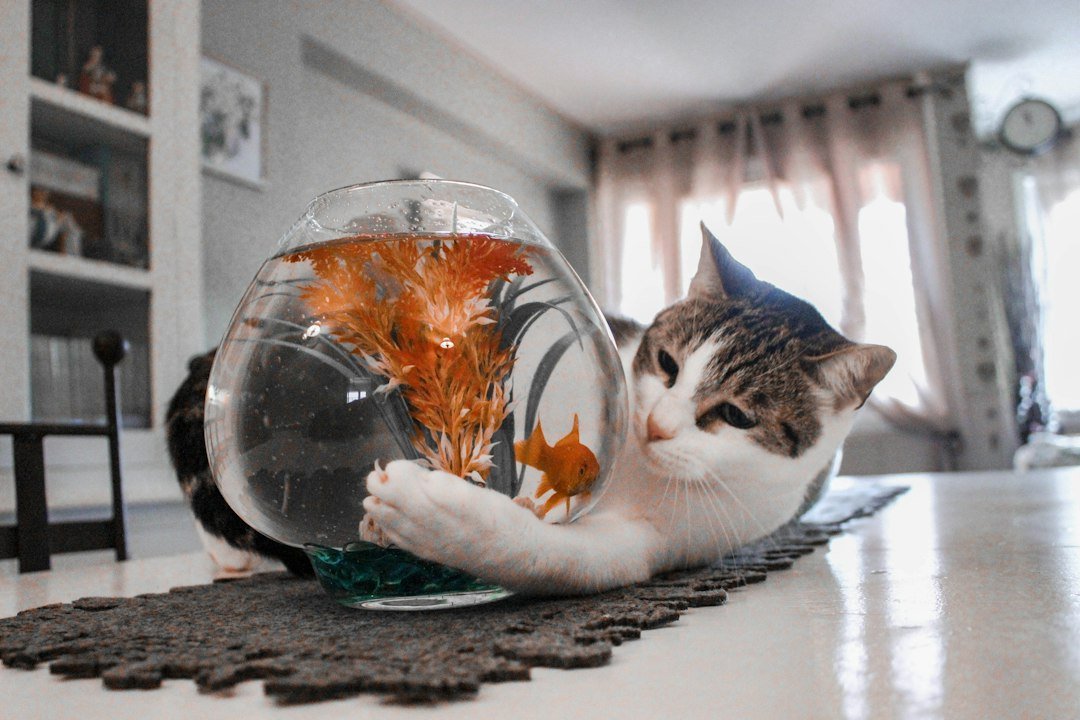
To decide whether cats can eat tuna safely, put the can aside and read the label first. Plain tuna packed in water, with no added salt, oil, seasoning, or sauces, is the least risky choice for an occasional treat. Keep it small. Can cats eat tuna safely as a regular meal? No, because most human tuna products do not provide the full balance of nutrients a cat needs every day.
Can cats eat tuna safely as a treat
Most healthy adult cats can have a little plain, cooked tuna once in a while. A small taste can be useful when you need to hide a vet-approved pill or encourage a reluctant cat to check out a new food. Tiny amounts work. Tuna smells strong and many cats love it, which is exactly why it can become a habit that makes ordinary cat food seem less exciting.
The key distinction is between a treat and a diet. Cat food labeled complete and balanced is made to be fed as the main food because it contains nutrients in appropriate proportions for the life stage on the label, while a can of tuna for people is simply fish and does not meet those same daily needs. Read the package. Tuna-flavored commercial cat foods can be fine as a regular food if their label says they are complete and balanced.
How much tuna is too much
There is no single safe amount for every cat, because body size, calorie needs, existing health concerns, and the rest of the diet all matter. Start with one teaspoon. For a typical healthy adult cat, a conservative routine is about one tablespoon of plain tuna once or twice a week, rather than a daily serving or a whole can.
A useful rule is to keep treats, including tuna, below about 10 percent of your cat’s daily food intake. This leaves most of the diet for nutritionally complete cat food. Keep treats modest. If your cat eats roughly 200 calories per day, the treat allowance is about 20 calories, but check the tuna label because calories vary with the type of fish and packing liquid.
A whole standard can is generally far too much for one snack. It can add a noticeable amount of calories, displace normal meals, and create a cat who waits for tuna instead of eating their usual food. Routine matters. If tuna has become an everyday expectation, reduce it gradually by mixing a smaller amount into the usual food or replacing the ritual with a few pieces of the cat’s regular kibble.
Choose the safest type of tuna
Plain tuna in water is usually the simplest option when you are sharing a small bite. Choose tuna with as few ingredients as possible. Skip flavored packets, deli-style tuna salads, smoked tuna, and tuna packed with broth unless you have checked every ingredient carefully, since these products may contain salt, onion, garlic, spices, dairy, or other additions that do not belong in a cat’s bowl.
Tuna packed in oil is not automatically toxic in a tiny lick, but it is a poor treat choice because the oil adds fat and calories and may upset a sensitive stomach. Leave it out. Brine and salted tuna are also best avoided, since cats do not need the extra sodium and a salty product makes it harder to control what they are eating.
Fresh cooked tuna has the same basic limitation as canned tuna: it is an occasional protein treat, not a complete diet. Serve it fully cooked and plain. Raw tuna carries food-safety concerns and also makes it harder to judge how much your cat has eaten, so it is not the practical choice for a casual treat at home.
Mercury is another reason to keep tuna occasional. Larger, longer-lived fish can accumulate more mercury than smaller fish, and the concern rises with frequent feeding over time rather than one tiny taste. Variety helps. If you give fish treats, rotate with non-fish options such as a small piece of plain cooked chicken, or simply use a little of your cat’s regular food.
When tuna is not a good idea
Do not offer tuna to a cat who has been told to follow a special veterinary diet unless the veterinarian has said it fits that plan. This includes cats on diets intended for urinary concerns, kidney concerns, food sensitivities, weight management, or digestive problems. Check first. Even a small extra can interfere with a carefully measured diet or make it harder to work out what triggered an upset stomach.
Kittens need steady nutrition for growth, so their main food should be a complete kitten formula rather than tuna. A very small plain taste is unlikely to be a nutritional disaster for a healthy kitten, but repeated tuna treats can quickly take space away from the food designed for development. Keep the routine simple. Use their regular kitten food as the reward whenever possible.
Skip tuna if your cat has had vomiting, diarrhea, itching, or other unusual signs after fish before. Food reactions can have several causes, and tuna is not something to test repeatedly at home when you are unsure. Stop the treat. If signs are severe, persistent, or your cat seems unwell, contact a veterinarian promptly for guidance.
How to offer tuna without creating problems
- Check that the tuna is plain and packed in water. No sauces or seasonings.
- Drain it well, then offer one teaspoon in a clean dish. Start small.
- Watch your cat for the next day for loose stool, vomiting, reduced appetite, or itchiness. Do not offer more if anything seems off.
- Count the tuna as a treat and reduce other treats that day. The main meal stays the same.
- Store leftovers covered in the refrigerator and follow the package storage directions. Discard food that has been left out for a long time.
Do not mix a large amount of tuna through every meal to get a cat to eat. That approach often works briefly, then the cat may refuse food unless tuna appears again. Offer it separately. If your cat suddenly stops eating their normal food, especially for a full day or alongside illness signs, contact a veterinarian rather than relying on tuna to get calories in.
Common tuna mistakes
The most common mistake is mistaking enthusiasm for a nutritional need. Cats often react to tuna’s smell and texture, but begging does not mean they need fish or should have it daily. Cats are persuasive. Another mistake is assuming any seafood product is plain, even though many packaged products contain seasoning, salt, stock, or oils that add unnecessary ingredients.
Also avoid using tuna juice as a daily water enhancer. A teaspoon of water from plain, unsalted tuna may tempt some cats to drink, but regular use can create food fussiness and still adds fish to the diet more often than intended. Plain fresh water is best. If your cat is drinking unusually little or much, that is a reason to speak with a veterinarian.
Frequently asked questions
Can cats eat canned tuna every day?
Daily canned tuna is not a good default, even when it is plain and packed in water. It is not nutritionally complete for a cat, and frequent feeding increases the chance that tuna replaces balanced food or becomes a fixed food preference. Keep it occasional. A complete and balanced cat food should provide the everyday meals.
Is tuna in water better than tuna in oil for cats?
Yes, plain tuna in water is generally the better choice for a small treat because it has fewer added calories and less fat than oil-packed tuna. It still needs to be unsalted and unseasoned. Read the ingredients. Water-packed tuna is not permission to feed a large amount or feed it every day.
Can cats have tuna juice?
A small amount of liquid from plain tuna packed only in water may be okay for many healthy cats as an occasional flavor boost. Avoid liquid from brine, oil-packed tuna, flavored packets, or products with added ingredients. Less is better. Use only a little, and do not let it replace normal water drinking.
What should I do if my cat ate a whole can of tuna?
If it was plain tuna in water, a single incident is usually more likely to cause a full stomach or digestive upset than a long-term nutritional problem. Do not give more tuna. Monitor your cat, provide fresh water, and contact a veterinarian or an animal poison service promptly if the product contained onion, garlic, sauces, alcohol, high salt, or other questionable ingredients, or if your cat seems unwell.
Can I use tuna to give my cat medicine?
A tiny amount of plain tuna can sometimes hide a pill, but only use it if the medication instructions allow food and your veterinarian has not advised a restricted diet. Make the portion very small. You want to be sure the full dose is swallowed, rather than leaving medication behind in a larger spoonful of food.
Related posts
This post is for general informational purposes only and is not veterinary advice. Every cat is different — if you have concerns about your cat’s health or behavior, please consult a qualified veterinarian.