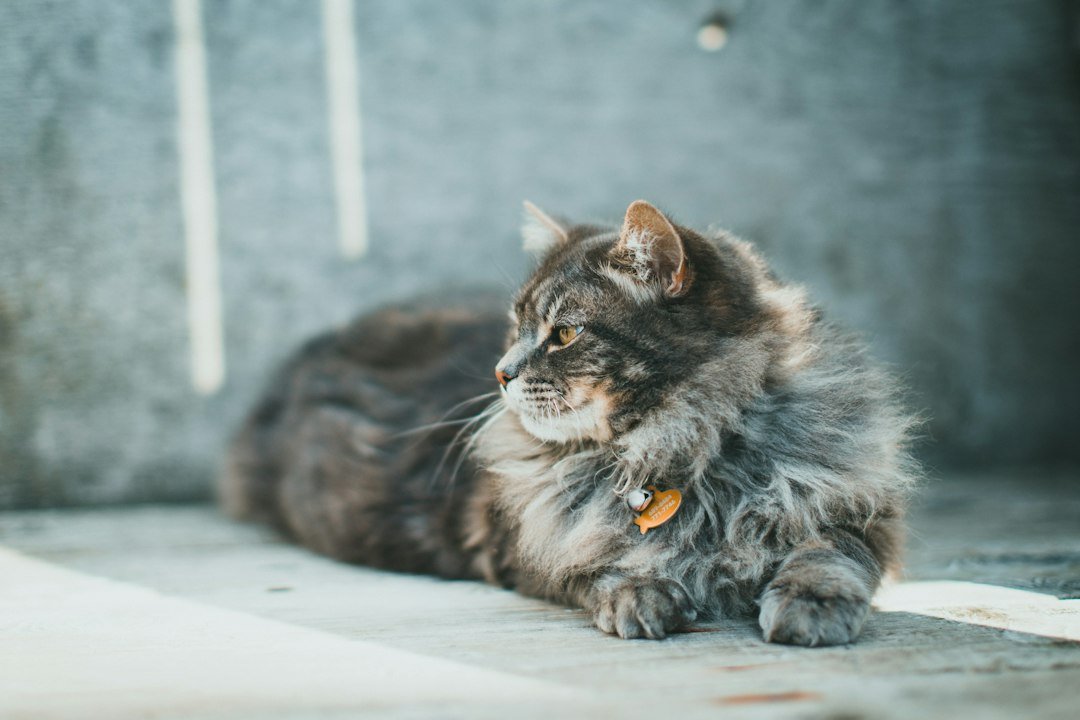
The best cat food for hairball control for long-haired breeds is usually a complete adult cat food with added fiber that helps swallowed fur pass in the stool. The best cat food for hairball control is not a magic fix. A sensible choice also needs to suit your cat’s age, calorie needs, food sensitivities, and willingness to eat it.
Long-haired cats swallow more loose coat during normal grooming, especially during seasonal shedding. Fur happens. Most of that fur passes without trouble, but some cats bring up hairballs often enough that their owner starts looking for a food change.
Hairball-control recipes generally use particular fiber sources to support normal gut movement and stool formation. Fiber matters. It may help carry swallowed hair through the digestive system rather than letting it collect in the stomach.
The right food depends on the individual cat. Some cats do well on a standard hairball formula, while others need a slower transition, more grooming, a different texture, or veterinary guidance because vomiting can have causes beyond hairballs.
Best cat food for hairball control for long-haired breeds
For a healthy adult long-haired cat, start by comparing complete foods clearly labeled for hairball control or hairball care and made for your cat’s life stage. Read the bag. Look for an adult maintenance statement from the appropriate pet-food nutrition authority in your region, rather than relying on front-of-pack claims alone.
Dry hairball-control foods are common because they are easy to measure and often include concentrated fiber blends. They can be practical. Wet food can also fit into a hairball plan, particularly for cats that benefit from more moisture in their overall diet, although wet recipes marketed specifically for hairballs are less common in some stores.
A useful approach is to choose one nutritionally complete main food, then add moisture through canned food or water if your cat accepts it. Do not dilute meals excessively. A cat still needs enough calories and nutrients from the food it actually eats.
Ingredient lists can be helpful, but they do not rank food quality by themselves. Context counts. Common fiber ingredients may include cellulose, beet pulp, psyllium, pea fiber, oat fiber, or other plant fibers, and the best choice is the one your cat digests comfortably while maintaining a healthy body condition.
What to look for on the label
Check that the food is complete and balanced for the right life stage. This is basic. A kitten, pregnant cat, senior cat with changing needs, and adult indoor cat should not automatically eat the same formula.
Hairball diets often have more total dietary fiber than typical maintenance foods, but a higher number is not always better. Too much fiber can leave some cats with bulky stools, more stool volume, gas, or reduced appetite. Cats vary.
Also compare calories per cup or per can before switching. A hairball recipe may be more or less calorie-dense than the current food, so feeding the old scoop amount can unintentionally change your cat’s weight over time.
Protein remains a priority because cats are obligate carnivores. Keep it simple. A hairball formula should still provide animal-based nutrition and enough protein for your cat’s needs, rather than treating fiber as the only thing that matters.
If your cat has previously had trouble with a specific protein or ingredient, do not assume every hairball formula will suit them. Check the full ingredient panel. Food labels and recipes change, so verify the current package before buying a large bag.
| Food type | May suit | Main trade-off |
|---|---|---|
| Dry hairball-control formula | Cats that like kibble and need easy portion measuring | Less moisture unless wet food or water is added separately |
| Wet complete food with a hairball-focused plan | Cats that prefer canned food or need help increasing moisture intake | Can cost more per day and may offer fewer hairball-specific choices |
| Regular complete food plus grooming | Cats with occasional hairballs and good stool quality | May not be enough during heavy shedding for some long-haired cats |
| Veterinary-directed diet | Cats with ongoing digestive concerns or special nutritional needs | Needs professional guidance and may have a narrower purpose |
How common product options compare
Major pet-food companies sell hairball-focused dry foods in several price ranges. Research the current product page and package. Purina Pro Plan, Hill’s Science Diet, Royal Canin, Iams, and several store brands have offered hairball-oriented options in various markets, but availability and formulas differ by country.
Premium-priced formulas may offer a specific protein source, a particular kibble shape, added skin-and-coat positioning, or a narrower calorie profile. Those details can be useful. They do not guarantee that one food will stop hairballs or suit every long-haired breed.
More affordable formulas can still be complete foods and may work perfectly well for a cat that digests them comfortably. Price is not the whole answer. Compare the feeding cost per day, not only the price of the bag, because calorie density and portion recommendations vary.
Prescription or veterinary diets are different from ordinary retail hairball foods. They have a purpose. Do not select one simply because a cat coughs up fur occasionally, especially if your cat has not been assessed for other digestive or urinary concerns.
Fiber, moisture, and grooming work together
Food helps with what is swallowed, but grooming reduces how much fur gets swallowed in the first place. This is huge. For many long-haired cats, regular coat care has as much practical impact as changing the bowl contents.
Brush in short, calm sessions that your cat will tolerate. Five minutes helps. Focus on areas where loose fur and tangles collect, such as the belly, armpits, chest, britches, and behind the ears, while being gentle around sensitive skin.
The ideal schedule varies with coat type and shedding level. Some long-haired cats need brief daily brushing, while others do well with several sessions each week. A comb can reveal hidden tangles near the skin that a surface brush misses.
Moisture may also support normal digestion for some cats. Offer fresh water in more than one location. Many owners use a mix of wet and dry complete food, but any major diet change should be made slowly so you can see how the cat responds.
A practical starting point is simple: brush regularly, feed measured portions of one complete food, and track hairballs for several weeks. Keep notes. Record the date, what came up, stool changes, appetite, and any food transition so you have useful information if you need to speak with a veterinarian.
How to switch to a hairball formula
Do not change food overnight unless a veterinarian has told you to do so. Go slowly. Sudden changes can cause digestive upset that makes it difficult to tell whether the new recipe actually agrees with your cat.
- Feed about 75 percent current food and 25 percent new food for two or three days.
- Move to an even split for another two or three days if stool and appetite remain normal.
- Offer about 75 percent new food and 25 percent old food for several more days.
- Finish the transition once your cat is eating normally and seems comfortable.
Some sensitive cats need a longer transition than this. Slow is fine. If your cat refuses the food, develops persistent loose stool, or seems unwell, stop treating the switch as a hairball experiment and contact a veterinarian for advice.
Realistic expectations for long-haired cats
A suitable hairball formula may reduce the frequency of hairballs in some cats, particularly when paired with consistent grooming. It cannot prevent every episode. Long hair still sheds, and cats still groom.
Expect to judge a food over weeks rather than after two meals. Watch the litter box. Normal appetite, comfortable stool, stable weight, and fewer fur-related episodes are more useful signs than whether a food has impressive marketing language.
Do not feed extra kibble because a product is labeled for hairballs. Portions still matter. Use the package feeding guide only as a starting point, then adjust with your veterinarian if your cat gains or loses weight.
Hairballs should look like compact tubes of fur mixed with fluid or food because they are shaped by the esophagus. Repeated vomiting is different. If your cat is vomiting frequently, retching without producing a hairball, refusing food, losing weight, acting painful, struggling to pass stool, or becoming unusually quiet, contact a veterinarian promptly.
Frequently asked questions
Is dry food better for hairball control?
Not automatically. Dry hairball formulas are widely available and easy to portion, but wet food can be useful for cats that prefer it or benefit from greater moisture intake. The overall diet and grooming routine matter.
Can I feed hairball food every day?
Many retail hairball formulas are intended as everyday adult maintenance foods when the label says they are complete and balanced. Check first. A veterinary diet or a formula for a different life stage needs more careful direction.
How often should a long-haired cat have hairballs?
An occasional hairball can happen, especially during shedding periods. Frequent episodes deserve attention. The exact threshold varies, but repeated vomiting or any change in appetite, stool, weight, or energy is a reason to contact a veterinarian rather than simply trying more fiber.
Are hairball treats enough?
Hairball treats can be convenient, but they add calories and usually do not replace regular grooming or a balanced main diet. Count them. If treats make up a noticeable part of daily calories, reduce other food only with care so your cat still gets complete nutrition.
What is the simplest plan to try first?
Choose a complete hairball-control food that fits your cat’s age, transition over at least a week, brush consistently, and monitor the result for several weeks. Keep the routine steady. If the problem continues or your cat seems unwell, speak with a veterinarian instead of cycling through multiple foods quickly.
Related posts
This post is for general informational purposes only and is not veterinary advice. Every cat is different — if you have concerns about your cat’s health or behavior, please consult a qualified veterinarian.