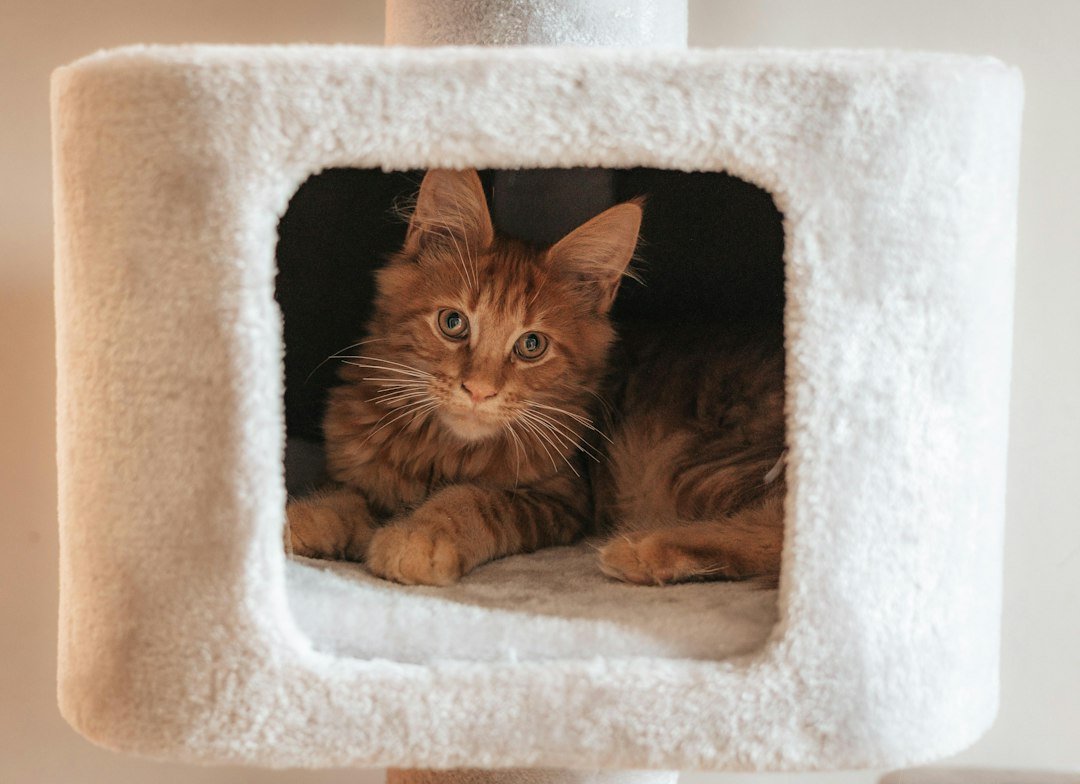
You’ve decided to bring a kitten home—now the real work starts. Having the right new kitten supplies list ready before your kitten arrives makes the difference between a smooth transition and a chaotic first week. Most cat owners don’t realize that scrambling for supplies after bringing the kitten home causes unnecessary stress for both you and the animal.
Quick Reference: New Kitten Supplies List Essentials
| Supply Category | Why It Matters | Budget Range | Timeline |
|---|---|---|---|
| Litter Box and Litter | Kittens need immediate access; accidents happen without it | $25-$75 | Before arrival |
| Food and Water Bowls | Separate bowls prevent stress and reduce feeding-related behavioral issues | $15-$40 | Before arrival |
| Kitten Food (Wet and Dry) | Age-appropriate nutrition supports growth and immune function | $20-$50/month | Before arrival |
| Toys and Scratching Posts | Redirects destructive energy and prevents furniture damage | $30-$80 | Before arrival |
| Bed or Hideaway | Safe space reduces anxiety during first days | $20-$60 | Before arrival |
| Carrier or Crate | Essential for vet visits and safe transport | $30-$100 | Before arrival |
What Goes on Your New Kitten Supplies List for Week One
I’ve lived with cats for years, and the first week determines everything that follows.
Your new kitten supplies list should prioritize items that address safety, eating, bathroom habits, and psychological comfort. Start with the non-negotiables: a litter box positioned away from the feeding area, food and water bowls placed separately, age-appropriate kitten food, a carrier for vet visits, a bed or hideaway spot, and basic toys. These aren’t luxuries—they’re the framework your kitten needs to feel secure in an unfamiliar environment.
Beyond basics, consider adding items that prevent common problems. Scratching posts save your furniture. Climbing structures burn kitten energy and reduce nighttime chaos. A water fountain encourages hydration better than a static bowl. Here’s where most cat owners give up: they buy one litter box for a multi-room home and wonder why the kitten has accidents. Plan for your actual space, not an idealized version of it.
The New Kitten Supplies List: Breaking It Down by Category
Bathroom and Hygiene
Litter setup is foundational. You’ll need at least one large litter box—ideally one and a half times the kitten’s length. Clay litter, crystal litter, paper litter, and pine-based options all have trade-offs. Clay tracks everywhere. Crystal and pine create less dust but cost more. Paper litter works best if your kitten has respiratory sensitivity. Buy what your breeder or rescue recommended first; switching abruptly causes digestive upset and avoidance. Most cats refuse a new litter brand after the second bowl, so consistency matters here.
Scoop daily.
Feeding and Hydration
Your new kitten supplies list must specify separate food and water bowls—never combined. Kittens aged 8 to 12 weeks need four meals daily, gradually reduced to three by 16 weeks. Wet food supports hydration and digestion; dry food cleans teeth and costs less. I’ve seen so many cat owners overfeed their kittens thinking it helps them grow faster—it doesn’t, and it creates obesity patterns that last a lifetime. Check the feeding guidelines on your specific food; amounts vary by brand and kitten weight, so verify before assuming your approach is correct.
Bowls should be ceramic or stainless steel, never plastic. Plastic retains bacteria and odors, triggering food rejection in picky eaters.
Sleep and Security
Kittens spend 16 to 20 hours sleeping. A dedicated bed or hideaway isn’t frivolous—it creates a safe retreat during the overwhelming first days. Some kittens prefer enclosed spaces; others like elevated beds. Have both options available on your new kitten supplies list so your kitten chooses what feels right. Placement matters too. Put the bed away from high-traffic areas and never near the litter box or feeding station.
Transportation and Safety
A hard-sided carrier rated for your kitten’s expected adult weight keeps them secure during vet visits and emergencies. Soft carriers collapse easily and don’t provide real protection. This isn’t optional—it’s liability and safety combined.
The New Kitten Supplies List: Checklist Before Day One
- Litter box cleaned and positioned in a quiet, accessible location away from food
- Litter supply stocked and a scoop ready on the bathroom counter
- Food and water bowls filled with fresh water before the kitten arrives
- Kitten food opened and measured into portions for the first week
- Carrier cleaned and lined with a soft blanket or pad
- Scratching post or mat placed in a central, visible area
- Bed or hideaway set up in a quiet corner away from household noise
- Toxic plants removed from accessible areas and cleaning supplies secured
- Any breakable items on shelves moved to prevent curious kitten damage
- Vet contact information and appointment confirmation documented
- Toys rotated in small groups to maintain novelty and prevent boredom
Step-by-Step Process: Setting Up Your Home Using Your New Kitten Supplies List
Condition
Your kitten is arriving within the next few days and you want to create an environment where the transition feels natural and stress-free rather than chaotic.
Audience
This applies to first-time cat owners aged 25–50 who want to get the fundamentals right without overthinking every decision.
Method
Work through your new kitten supplies list systematically, completing setup at least one day before arrival so everything feels intentional and ready.
Steps
- Map your home layout on paper and identify where the litter box, food bowls, bed, and water station will live—far apart from each other, away from high-traffic chaos
- Assemble and position the litter box with fresh litter, then place a scoop within arm’s reach and a waste bag container nearby for your daily routine
- Set out food and water bowls in a separate location, fill the water bowl with fresh room-temperature water, and have the kitten food unopened and accessible
- Position the carrier in an open, visible area of your home so your kitten doesn’t hide when it’s time for vet appointments—never store it in a closet or garage
- Place the bed or hideaway in a quiet corner, elevated if possible, with blankets or soft padding that smell like home or the breeder’s space
- Install scratching posts in high-traffic areas and near furniture the kitten might otherwise target, angled for stability and comfort
- Remove or secure toxic plants, chemicals, small objects, and fragile items before the kitten arrives—this is the part that actually matters for safety
- Walk through your space as if you were a curious kitten and identify any hazards or access points you missed during initial planning
Warnings
Don’t introduce your kitten to the entire home at once. Use one room for the first few days, then expand access as the kitten’s confidence grows. Rushing this overwhelms them. Never place the litter box in a location that feels like punishment; it should be neutral, accessible, and separate from sleeping and eating areas. If you have other cats, introduce the new kitten slowly using your new kitten supplies list as a foundation for each cat’s private space before mixing.
My Picks for This
- Purina Pro Plan Kitten supports growth through DHA for brain development and is available in both wet and dry formats that most kittens transition to without digestive upset.
- IRIS Top Entry Litter Box contains mess effectively and reduces litter tracking on floors while keeping the kitten contained and your space cleaner.
- Petmate Stainless Steel Food and Water Bowls resist bacteria, won’t stain, and separate feeding stations prevent stress-related eating behavior.
- Kong Kickeroo Toy redirects hunting instinct with satisfying bunny-kick motion and catnip fill, burning energy without household destruction.
- Catit Flower Fountain encourages hydration with flowing water that feels natural to cats and reduces urinary health risks from dehydration.
Frequently Asked Questions (FAQ)
Q1. How much should I spend on a new kitten supplies list for the first month?
Budget ranges vary, but plan for approximately 100–200 dollars depending on whether you buy premium brands or standard options. This covers litter, food, bowls, a basic carrier, one bed, and essential toys. Ongoing monthly costs for food and litter run approximately 20–50 dollars depending on quality and kitten size.
Q2. What’s the difference between a new kitten supplies list for an 8-week-old versus a 12-week-old kitten?
Younger kittens need four meals daily and smaller portion sizes, while 12-week-old kittens transition to three meals. Litter box size and food bowl depth can be the same. Feeding amounts increase with age, so consult your vet for kitten-specific guidance based on expected adult weight.
Q3. Can I use items from my new kitten supplies list that I already have, like old bowls or a used carrier?
Yes, but with conditions. Used carriers must be cleaned thoroughly and structurally sound. Old bowls work if they’re ceramic or stainless steel and free of cracks where bacteria hide. Never reuse plastic bowls from previous pets due to bacterial retention and odor absorption.
Q4. Should my new kitten supplies list include a microchip and ID tag before arrival?
Yes. Order the ID tag with your name and phone number before the kitten arrives. Schedule a microchipping appointment with your vet during the first week. This doubles your safety net if the kitten escapes or gets lost during the adjustment period.
Q5. What items on a new kitten supplies list do I regret buying most often?
Expensive cat trees that don’t match your home aesthetic—kittens will scratch cardboard boxes just as happily. Multi-bowl feeding stations that take up kitchen space; separate bowls in different spots work better. Automatic litter boxes before understanding your kitten’s habits; start simple and upgrade only if needed based on actual behavior.
Q6. How do I know if my new kitten supplies list covers everything for a multi-cat household?
The rule is one litter box per cat plus one extra. So for two cats, buy three boxes. Separate feeding stations prevent resource guarding. Each cat should have access to water sources in multiple locations. Check with your vet about whether to introduce the new kitten immediately or gradually; your supplies list should accommodate slower introductions if recommended.
This post is for informational and general educational purposes only. It does not constitute professional veterinary advice, medical diagnosis, nutritional guidance, or behavioral therapy. Always consult a licensed veterinarian before making decisions about your cat’s health, diet, medication, or treatment—especially if your cat is showing signs of illness, distress, or behavioral changes. Product recommendations on this site are based on general research and owner experience; individual results may vary depending on your cat’s breed, age, weight, and health condition. Prices, product availability, formulations, and specifications are subject to change without notice—always verify current details directly with the manufacturer or retailer before purchasing. Feeding guidelines, portion sizes, and nutritional information referenced in this post are general estimates only and should not replace personalized advice from your veterinarian or a certified feline nutritionist. If your cat is pregnant, nursing, underweight, overweight, or managing a chronic condition, seek professional guidance before changing their diet or care routine. This site may contain affiliate links—if you purchase through our links, we may earn a small commission at no extra cost to you. We only reference products we believe may be genuinely useful, but we encourage you to do your own research before buying.