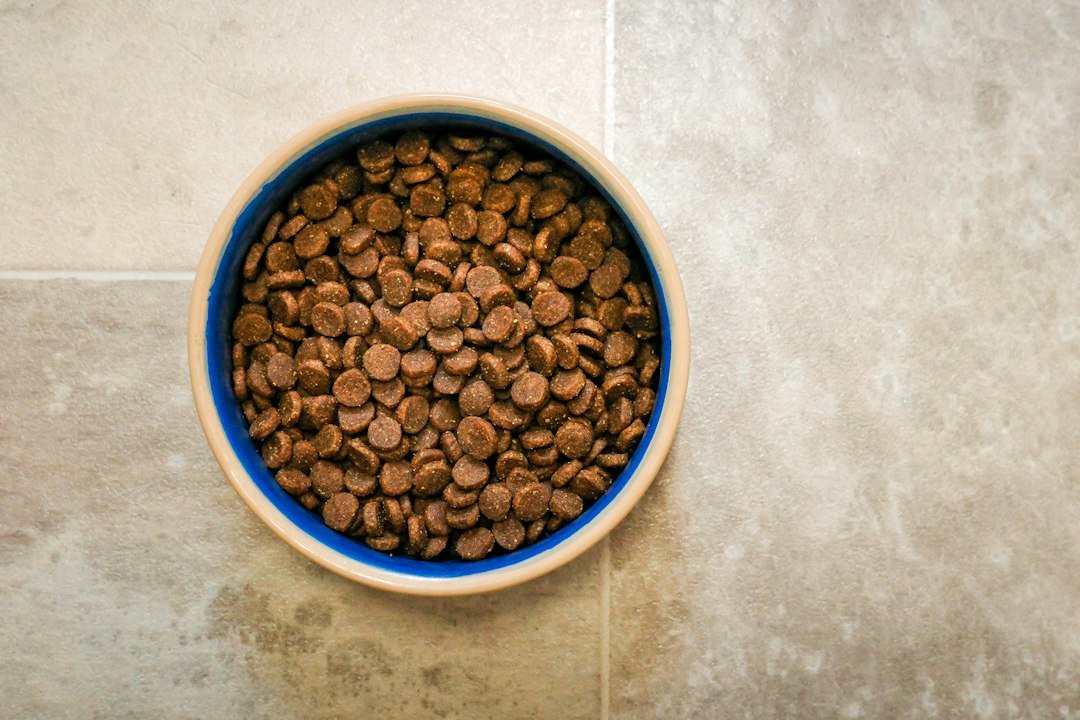
For homemade cat food recipes for picky eaters, start by placing one teaspoon of a warm, plain topper beside your cat’s usual complete food today. Keep it tiny. The safest use of homemade cat food recipes for picky eaters is often to make familiar food smell and taste more appealing while the complete commercial diet remains the main source of nutrition.
Pickiness is frustrating, especially when a cat sniffs a bowl and walks away. Do not rush it. Cats can reject a food because its smell, texture, temperature, bowl location, or recent change feels wrong, and a sudden switch to a fully homemade diet can create a new problem if the recipe is not nutritionally complete.
The practical goal is simple: encourage eating without accidentally building an unbalanced daily menu. Start small. A little cooked meat or unsalted cooking liquid may work as a topper, but meat alone does not supply the full balance of calcium, taurine, essential fatty acids, vitamins, and trace minerals that cats need over time.
Why homemade cat food recipes for picky eaters need a careful plan
Cats are obligate carnivores, which means animal-based nutrients matter greatly in their diet. That is basic biology. Still, a bowl of chicken, turkey, or fish is not automatically a complete cat meal, even when a cat loves it and seems bright and satisfied after eating it.
A nutritionally complete homemade diet usually requires a precise recipe, specific ingredients, and measured supplements designed for the cat’s life stage and health history. Guesswork is the risk. Adding a general pet multivitamin to cooked meat does not reliably correct the missing nutrients or the calcium-to-phosphorus balance.
If you want homemade food to provide most or all of your cat’s calories, ask your regular veterinarian about a recipe formulated by a veterinary nutrition professional. Bring details. Include your cat’s age, body weight, current foods, treats, medications, known sensitivities, and whether they have had appetite or digestive changes.
Until you have a formulated recipe, use homemade foods as a small topper or occasional treat rather than the whole meal. Keep the main diet labeled complete and balanced for your cat’s appropriate life stage. That wording matters.
Safe starter recipes for food interest
These are topper recipes, not full daily diets. They are deliberately plain. Offer a small amount beside regular food first, so your cat can choose whether to investigate it.
Warm chicken shred topper
Poach a small piece of boneless, skinless chicken in plain water until fully cooked, then shred it very finely with a fork. No seasoning. Mix one teaspoon of the shredded chicken with a teaspoon of the cooled cooking water and warm it slightly so it smells stronger, checking that it is only lukewarm before serving.
Place the mixture on top of one corner of the usual food rather than stirring it through the entire bowl. Keep some food untouched. This gives a cautious cat an easy exit and prevents one rejected topper from ruining the whole meal.
Turkey mousse topper
Cook plain ground turkey thoroughly in a dry pan or with a little water, then drain away excess fat. Let it cool. Blend one tablespoon of cooked turkey with one to two teaspoons of warm water until it becomes a soft paste.
Offer one teaspoon at first. Small is better. Refrigerate the remaining plain mixture in a covered container and use it within a short time, following normal food-safety habits, or freeze teaspoon portions for later use.
Plain egg garnish
Cook an egg fully without butter, oil, salt, milk, onion, or garlic. Use a small piece. Mash about a teaspoon of cooked egg with a little warm water and place it near, rather than over, the regular food.
Egg is rich, so it does not suit every cat. Stop if it seems to upset your cat’s digestion. A cat who has a history of food reactions or a prescribed diet should have new toppers cleared with their veterinarian first.
Ingredients to leave out
Plain food is safer here. Avoid onion, garlic, chives, leeks, salty stock cubes, gravy packets, sauces, and spice mixes. These common kitchen ingredients can make a homemade dish unsuitable for cats.
Skip cooked bones and raw bones. Bones can splinter or cause injury, while raw feeding also carries food-handling and contamination concerns for people and pets in the home. Cooked boneless meat is simpler for a topper.
Avoid giving liver as a frequent staple, even though many cats find it exciting. Too much liver can unbalance a diet. Fish should also stay occasional unless it is part of a professionally formulated complete recipe, because a fish-heavy homemade menu is not a reliable everyday plan.
Milk is another common mistake. Most adult cats do not need it. If a cat enjoys dairy, that does not mean it will agree with their digestion.
How to introduce a homemade topper
Food changes often go better when they are boringly slow. That is fine. A picky cat may need several calm exposures before they even lick something new.
- Offer the new topper in a separate small dish, away from the main meal, for the first try.
- Use one teaspoon or less. Do not pile a large portion into the bowl.
- If your cat eats it comfortably, offer the same small amount once daily for a few days.
- Move a small dab onto one edge of the regular food only after the separate-dish test goes well.
- Keep topper calories modest so your cat still eats enough of the complete food.
Warmth can make a real difference because cats rely heavily on scent when deciding whether food seems acceptable. Keep it gentle. A few seconds of warming may be enough, but stir well and test the temperature with your finger before the bowl reaches your cat.
Try one change at a time. If you introduce chicken, a new bowl, and a new feeding room on the same day, you will not know what your cat disliked. A simple note on your phone can help you track which texture and temperature got the best response.
Ways to make regular cat food more appealing
Sometimes the answer is not a new recipe. It is presentation. Fresh wet food in a shallow dish may appeal more than food pressed into a deep bowl, especially for cats that dislike their whiskers touching the sides.
Offer smaller portions more often if the food dries out or loses its smell before your cat returns. Fresh matters. Cover and refrigerate opened wet food promptly, then warm only the portion you plan to serve.
Put food in a quiet spot away from litter boxes, noisy appliances, and another pet that watches or crowds the bowl. Many cats prefer privacy. If there are several cats, separate feeding spaces can show you who is actually eating.
Check the food itself as well. A manufacturer can change a formula, and cats sometimes notice the difference before we do. If you recently opened a new case or bag and your cat suddenly refuses it, compare the label and try a fresh can or pouch from a different batch if available.
When a picky eater needs veterinary attention
A sudden appetite change deserves attention, particularly if your cat normally eats well. Do not assume it is stubbornness. Mouth discomfort, nausea, stress, pain, medication effects, and other issues can affect willingness to eat, and only a veterinarian can assess the cause.
Contact a veterinary clinic promptly if your cat has eaten very little or nothing for about a day, vomits repeatedly, seems unusually quiet, hides more than usual, has diarrhea, or appears to lose weight. Overweight cats need particular caution when they stop eating. Do not try to wait them out with increasingly tempting foods.
If your cat is on a prescription diet, ask before adding homemade toppers. Even a small amount can matter. The same applies to kittens, pregnant cats, older cats with ongoing health concerns, and cats with a history of urinary or digestive problems.
Making homemade meals a long-term option
A complete homemade diet can be workable for some households, but it is a measuring project, not an improvisation project. Precision counts. The recipe should state the exact type and amount of meat, carbohydrate or fiber if included, oil, supplement mixture, and preparation method.
Use a kitchen scale rather than estimating with handfuls or spoonfuls when following a formulated recipe. Weigh ingredients. Substituting chicken breast for chicken thigh, skipping an oil, or using a different supplement product can change the final nutrient balance more than many people expect.
Make only the substitutions the recipe provider approves. A cat may prefer turkey, but a turkey swap is not always nutritionally identical to the listed meat. If refusal continues, ask whether the recipe can be adjusted safely instead of changing ingredients on your own.
For many picky cats, the most practical middle ground is a complete commercial wet food with a measured homemade topper used for scent and interest. That keeps nutrition steady. It also lets you learn what your cat enjoys without turning every meal into a high-stakes experiment.
Frequently asked questions
Can I feed cooked chicken every day?
Cooked plain chicken can be a useful topper, but chicken alone should not become your cat’s everyday complete diet. It is incomplete. Keep it small unless you are following a professionally formulated homemade recipe that includes the needed supplements and proportions.
How much homemade topper is too much?
There is no single amount for every cat, because body size, total food intake, and health needs differ. Start with one teaspoon. If homemade extras begin replacing a noticeable part of the complete food, ask your veterinarian how to keep the overall diet balanced.
Why does my cat eat treats but refuse meals?
Treats are often stronger smelling, richer, and easier to eat than a full meal. That can reinforce selective eating. Keep treats and toppers modest, offer regular meals on a predictable schedule, and seek veterinary guidance if meal refusal is new or persistent.
Is raw homemade food better for a picky cat?
Raw food is not automatically more nutritious or more appealing, and it adds food-safety concerns. Cooked food is easier to handle safely. A raw diet also still needs a complete formulation, so raw meat by itself does not solve the nutritional problem.
Can I use store-bought broth on cat food?
Only if you have checked every ingredient carefully, since many broths contain onion, garlic, salt, or flavorings that are unsuitable for cats. Plain cooking water from unseasoned chicken is the easier choice. Keep it simple.
Related posts
This post is for general informational purposes only and is not veterinary advice. Every cat is different — if you have concerns about your cat’s health or behavior, please consult a qualified veterinarian.