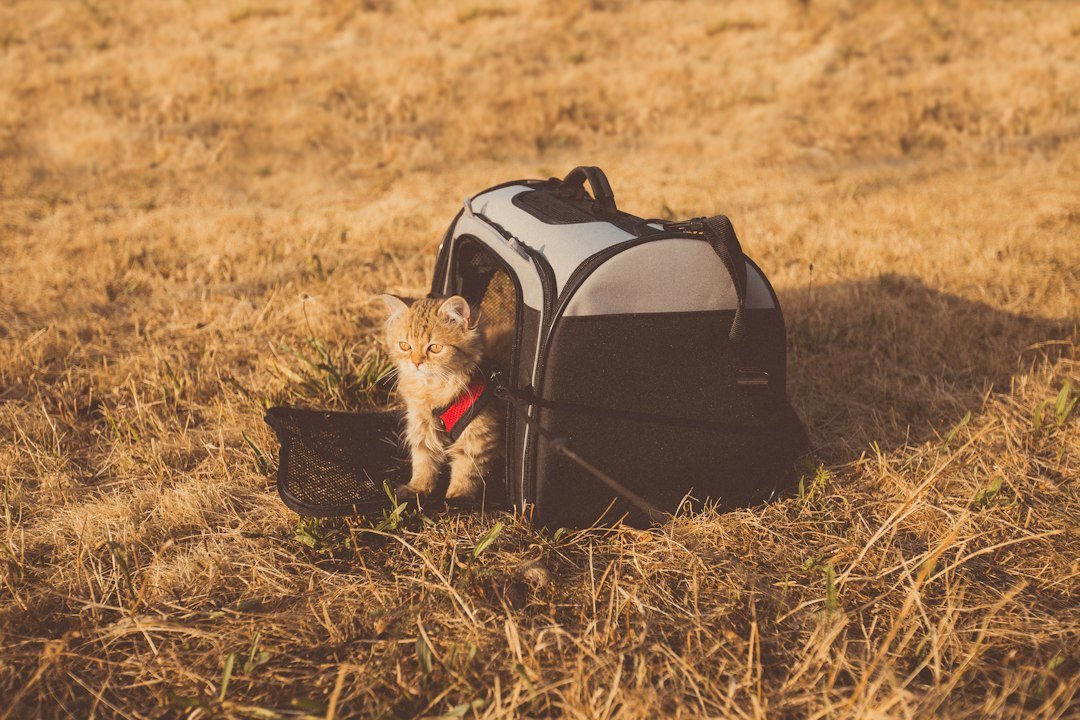
A common misconception is that the best cat car seat belt harness clips straight into a vehicle belt and keeps a cat safe like a small dog. That is rarely the best setup. For most cats, the best cat car seat belt harness for road trips is really a well-fitted escape-resistant harness used alongside a carrier that the vehicle belt can secure.
Cats move differently in cars. A cat may freeze, scramble, twist, or back out of a loose chest strap when the engine starts, traffic stops suddenly, or a door opens at an unfamiliar place. That makes direct tethering risky because a cat can become tangled, hit the seat or console, or panic against the restraint. A secure carrier limits that movement. It also gives the cat a familiar enclosed place during fuel stops, traffic delays, and hotel check-ins.
Buy for containment first. A harness can still be genuinely useful, especially when you need to move your cat between the house, car, clinic, and accommodation without opening a carrier onto a parking lot. The realistic goal is controlled handling. It is not to turn a cat into a canine passenger.
What the best cat car seat belt harness should do
A travel harness should fit closely around the chest and shoulders without compressing the throat, pinching behind the front legs, or allowing the cat to reverse out. Fit matters most. Cats are flexible enough to defeat straps that look secure at first glance.
Look for a broad chest panel or vest-style body section rather than thin straps that sit narrowly across the neck. A wider contact area may spread pressure better if your cat pulls, and it usually gives you more control during a transfer. This does not make any harness crash protection. It simply makes routine handling more secure and comfortable when the fit is right.
Check the closure system carefully. Hook-and-loop panels can make adjustment simple, but long-haired cats may catch fur in them and some cats learn to work loose at the edges. Buckles can be more consistent once adjusted, although they add hard components and require you to check each connection before every trip.
Metal D-rings are generally preferable to a thin plastic loop for leash attachment, provided the ring is firmly sewn into the main body of the harness. Inspect the stitching. Loose threads, uneven seams, or a ring attached only to a decorative panel are reasons to skip that model.
A leash point on the back is useful. Avoid attaching a car tether to a collar, even for a calm cat, because a sudden pull places force on the neck. A harness reduces that specific risk, but it does not remove the larger risks of tethering a frightened cat inside a moving vehicle.
Choose adjustability with care. Too many adjustment points can make a harness difficult to put on correctly when you are packing for an early departure or handling a nervous cat in a driveway. Too few can leave gaps. The best design for your cat is the one you can fit consistently, inspect quickly, and remove without a struggle.
Why a secured carrier is usually safer
For road trips, the carrier is the main safety purchase. A carrier gives your cat walls, a stable floor, and fewer opportunities to become tangled if you brake hard or turn quickly. Keep the carrier on the back seat whenever possible. Front-seat airbags can be dangerous to small animals.
Many soft carriers have a luggage-style sleeve or loops that allow a vehicle belt to pass around or through the carrier. Some rigid carriers have molded belt guides. Follow the manufacturer instructions exactly, because a belt routed through the wrong area can tip the carrier or crush flexible mesh panels.
Do not assume a carrier is crash tested because it looks substantial or costs more. Product descriptions may use terms such as travel-safe, secure, or reinforced without describing vehicle crash testing. Read the manufacturer page, look for the exact model name, and distinguish ordinary containment claims from a stated crash-test claim.
If a company states that a carrier was crash tested, check what it actually says about the test, the animal size range, the installation method, and any required accessories. Details matter. A result for one model does not automatically apply to every size or updated version.
Hard-sided carriers are often easier to wipe clean and may feel more structured under a seat belt. Soft-sided carriers can be lighter, easier to store, and more comfortable in a cramped rear seat. Neither type is automatically right. Your cat’s size, travel duration, and the way the carrier secures in your vehicle all affect the choice.
Measure the available back-seat space before ordering. A carrier that is technically large enough for your cat but tilts on a sculpted seat cushion can create more stress than a slightly different shape that sits level and belts in firmly. Test the setup while parked. Then test it again with the doors closed.
Harness types and their trade-offs
Vest harnesses wrap around more of the chest and are often the easiest style for a cautious owner to hold securely during transfers. They can be warm, though. In hot weather, choose breathable material and avoid leaving your cat in a parked car for any period.
H-style harnesses use narrower straps around the neck and torso. Some cats tolerate them well, and they can be lighter under a carrier door or blanket. Their main drawback is fit sensitivity. A small gap behind the shoulders may be enough for an escape-prone cat to slip out.
Figure-eight and minimalist strap harnesses are compact and inexpensive, but they demand precise sizing and calm handling. They may work for a cat already accustomed to leash walking. They are less forgiving for a cat that flattens its body, rolls, or pulls backward when frightened.
Jacket-style harnesses cover more of the body and can feel secure in your hands, especially during a hotel transfer. They can also restrict shoulder movement if the pattern is stiff or the size is wrong. Watch your cat walk indoors before relying on one outside. A normal gait is a basic fit check.
Do not buy by weight alone. Two cats at the same weight can have very different chest depth, neck size, shoulder shape, and coat thickness. Use the brand’s measurement instructions, then compare your cat’s actual measurements to the listed range rather than guessing from breed or age.
How to judge fit before a road trip
Fit the harness indoors first. Choose a quiet room with closed doors, and keep the first session brief. Your cat does not need to love it immediately. The first goal is calm tolerance.
-
Measure the neck and deepest chest area with a soft tape. Write the numbers down.
-
Put the harness on for a minute or two, then offer a familiar treat or meal.
-
Check that you can slide one or two fingers under the straps without creating a visible gap.
-
Watch your cat walk, turn, sit, and back up. Stop if the harness rubs, twists, or blocks normal movement.
-
Clip on a leash indoors and apply only light, steady guidance. Never test escape resistance by yanking.
-
Practice placing your harnessed cat into the carrier, then closing and opening it calmly.
Repeat this over several short sessions before travel day. Slow practice helps. A cat that has never worn a harness may react strongly if the first use happens beside a busy road or in a hotel car park.
Check for rubbing under the front legs after each practice session. Also look for flattened fur, redness, or signs that your cat is repeatedly biting at one area. Remove the harness after practice. It is not everyday clothing unless your cat is supervised and comfortable in it.
What to avoid when shopping
Skip products that promise restraint safety without explaining how they attach to the car or what forces they were designed to handle. Marketing language is not evidence. A short tether attached to a seat belt buckle may look neat in a product photo, but it can leave a cat suspended or tangled during sudden movement.
Avoid long elastic tethers. Stretch can reduce an initial jolt in some situations, but it also allows more travel distance and can increase the chance that a cat reaches another seat, the floor, or loose objects. Inside a carrier, extra slack has little benefit.
Be wary of universal sizing claims. Cats vary too much for one simple size label to tell you whether the neck opening, chest panel, and arm clearance will fit. A clear measurement chart is better than a vague small, medium, or large description.
Skip a harness with exposed rough edges, sharp buckle corners, or stiff seams directly behind the front legs. Road trips include long periods of resting, shifting position, and lying down. A harness that seems fine for five minutes may become irritating after an hour.
Do not rely on customer photos alone. They can help you see scale and construction, but they cannot show whether the harness was fitted correctly or whether a cat later escaped. Read product information, return terms, and care instructions before removing packaging where possible.
Building a practical road trip setup
A simple setup usually works best. Use a properly sized carrier secured on the rear seat, a fitted harness for transfers, and a leash kept ready before any door opens. Keep the leash short. Loose leash loops are easy to step on or catch on luggage.
Place an absorbent pad or washable liner inside the carrier, plus a small familiar blanket if your cat does not chew fabric. Avoid loose heavy bowls, hard toys, or large objects inside the carrier. In a sudden stop, those items can move around.
For a trip longer than a few hours, plan quiet stops based on your cat’s needs and the trip conditions, but do not assume your cat needs to exit the carrier at every stop. Many cats are safer and calmer staying inside a closed carrier while the vehicle is parked. Offer water when you can do so safely. Clean spills promptly.
Before opening the car door, close all other doors and windows, confirm the harness is fastened, attach the leash, and hold the leash before unzipping or unlatching the carrier. Use the same order every time. A routine reduces mistakes when you are tired.
At accommodation, move the carrier into a closed room first. Then check windows, vents, gaps behind furniture, and the bathroom door before allowing your cat out. Keep the harness and leash near the carrier for the next transfer. Searching through bags while a cat waits by an open door is avoidable stress.
Budget and value decisions
A low price is not always poor value, but a bargain harness with unclear sizing or weak stitching can become unusable after one escape attempt. Spend first on fit and secure carrier installation. Decorative patterns come later.
Prices vary by region. Compare the total cost after shipping, taxes, and any replacement pads or accessories needed for the carrier belt routing. Also check the retailer’s return rules, because fitting a harness often requires trying it on carefully indoors.
For a simple example, suppose one harness costs less but has no chest adjustment, while another costs more and has a clear measurement chart plus adjustable chest straps. If the cheaper one slips over the shoulders, it is not a saving. The better-fitting option may prevent the need to buy twice.
Research brand claims before buying. Manufacturer instructions, current product measurements, and independent retailer specifications can change when a model is revised. Match information to the exact size and version you plan to order. Older reviews may describe a different closure or attachment point.
FAQ
Can I clip my cat’s harness directly to a seat belt?
It is usually better to secure the carrier rather than tether the cat directly to the vehicle belt. A direct tether can create tangling, pulling, and impact risks when a cat panics or the car changes speed suddenly. Use the harness for controlled movement outside the carrier.
Should my cat wear the harness inside the carrier?
Many owners remove the harness once the cat is safely inside the secured carrier, especially for a long drive. Loose straps can snag. If you leave it on for a brief transfer, make sure nothing can catch and check that your cat can rest normally.
What size harness is best for an escape-prone cat?
The best size is the one that matches measured neck and chest dimensions while allowing normal walking and breathing. A vest-style or carefully fitted adjustable design is often easier to manage than a minimalist strap style. Practice indoors before any trip.
Can a cat ride loose in the car if it dislikes carriers?
A loose cat can get under pedals, distract the driver, hide in unsafe areas, or escape when a door opens. Start carrier practice at home with short, calm sessions instead. Familiar bedding and brief car rides may help some cats accept the routine over time.
Do I need a harness for every road trip?
A harness is strongly useful for safe transfers, even if your cat stays inside the carrier while the vehicle moves. It gives you an extra layer of control at doors and unfamiliar locations. Keep it fitted correctly and use it with a leash when the carrier opens outside a fully enclosed room.
Related posts
This post is for general informational purposes only and is not veterinary advice. Every cat is different — if you have concerns about your cat’s health or behavior, please consult a qualified veterinarian.