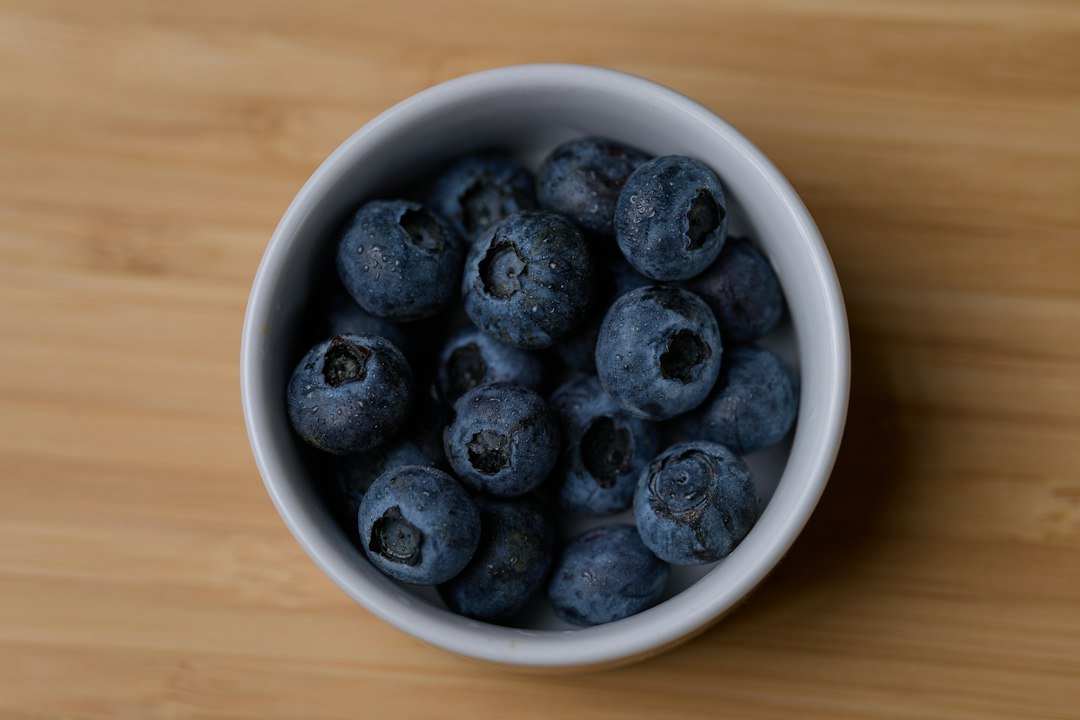
A blueberry rolls off the kitchen counter, your cat bats it once, then tries to eat it. The answer to can cats eat blueberries safely is usually yes, as long as the berry is plain, washed, and offered in a very small amount. Start small. Cats are obligate carnivores, so their regular food should provide nearly all of their nutrition.
Blueberries are not toxic to cats in the way that grapes and raisins can be dangerous. That is reassuring. Still, a food being non-toxic does not mean every cat will enjoy it or digest it comfortably, and a cat does not need fruit for a balanced diet.
Can cats eat blueberries safely as a treat?
Most healthy adult cats can have a blueberry now and then without a problem. Keep the portion tiny. One blueberry, cut or lightly squashed, is plenty for a first taste, especially for a smaller cat or one that has never eaten fruit before.
Offer the berry after your cat has eaten its normal meal, rather than when it is very hungry. This makes the blueberry less likely to replace food that supplies the animal protein, taurine, and other nutrients cats need every day. Treats should stay small. A common general guideline is to keep all treats under about 10 percent of a cat’s daily calories, though blueberries will usually make up only a tiny part of that amount.
Whole blueberries are soft, but they can still be awkward for a cat that gulps food. Squash them with a fork or cut them into smaller pieces before offering one, particularly for kittens, senior cats, or cats that tend to swallow treats without chewing. Slow is safer. Never toss berries for a cat to chase and catch in the air.
Possible health benefits of blueberries
Blueberries contain water, a little fiber, and naturally occurring plant compounds often called antioxidants. Those compounds are part of why blueberries are considered a nutritious fruit for people. The amounts a cat eats are very small. A single berry is unlikely to create a noticeable health change for your cat.
The practical health benefit is mostly that a plain blueberry can be a low-calorie alternative to richer human treats when offered sparingly. It is not medicine. Blueberries should not be used to manage weight, urinary concerns, constipation, diabetes, or any other health issue without guidance from a veterinarian who knows your cat.
Some cats like the cool texture of a thawed berry on a warm day. Others walk away. Cats have fewer taste receptors for sweetness than people do, so many are more interested in the smell, moisture, or novelty than the fruit’s flavor.
How to offer blueberries
- Wash a fresh blueberry under clean running water. Dirt and residues are not treats.
- Remove stems or leaves if present. Use only the berry.
- Cut or crush it into small pieces. This reduces gulping risk.
- Offer one piece on a clean dish. Do not mix it into every meal.
- Watch your cat over the next day for changes in stool, appetite, or behavior. Stop if it does not agree with them.
If your cat handles that first taste normally and seems interested, an occasional one or two blueberries is generally enough for an average adult cat. Keep it rare. Their complete cat food should remain the main event, because fruit cannot provide the nutrients cats get from a properly formulated diet.
Blueberry products to skip
Plain fresh blueberries are the simplest choice. Avoid blueberry muffins, pie filling, jam, yogurt, cereal, juice, dried berries, and baked goods. These products often contain added sugar, salt, fat, dairy, or ingredients that do not suit cats well.
Check labels carefully. Some sugar-free foods contain xylitol, a sweetener that can be dangerous for dogs and may be risky for other pets, so it is best kept away from cats too. Blueberry products may also contain chocolate, raisins, alcohol, caffeine, or spices. Those are clear reasons not to share.
Frozen blueberries are fine only after thawing and cutting or crushing them. Do not hand over a hard frozen berry. It can be difficult to bite and may become a choking hazard, especially if your cat is eager around food.
When blueberries are not a good idea
Skip blueberries if your cat has a sensitive stomach, is currently vomiting, has diarrhea, or is refusing normal food. Wait until they are back to their usual routine. New foods can make it harder to tell what is upsetting their stomach.
Use extra caution if your cat follows a veterinary diet or has a condition that requires controlled calories or carbohydrates. Even though one berry has little sugar, the right treat depends on the individual cat and its feeding plan. Ask first. The same goes for cats taking medication when you are unsure whether a new food fits their care plan.
Stop offering blueberries if you notice vomiting, loose stool, repeated scratching, facial swelling, coughing, or unusual lethargy after your cat eats one. Those signs can have several causes. If signs are severe, sudden, or do not settle quickly, contact a veterinarian or an emergency veterinary service rather than trying more fruit.
Keep the treat in perspective
For most cats, blueberries are safe as an occasional novelty rather than a health food. A tiny piece is enough. If your cat ignores blueberries, there is no reason to persuade them, since a bit of their regular food or a cat-specific treat can be a more familiar reward.
Choose plain berries, prepare them so they are easy to eat, and keep the portion modest. That simple approach lets your cat investigate a harmless household food without turning a small snack into a major change in its diet.
Related posts
This post is for general informational purposes only and is not veterinary advice. Every cat is different — if you have concerns about your cat’s health or behavior, please consult a qualified veterinarian.