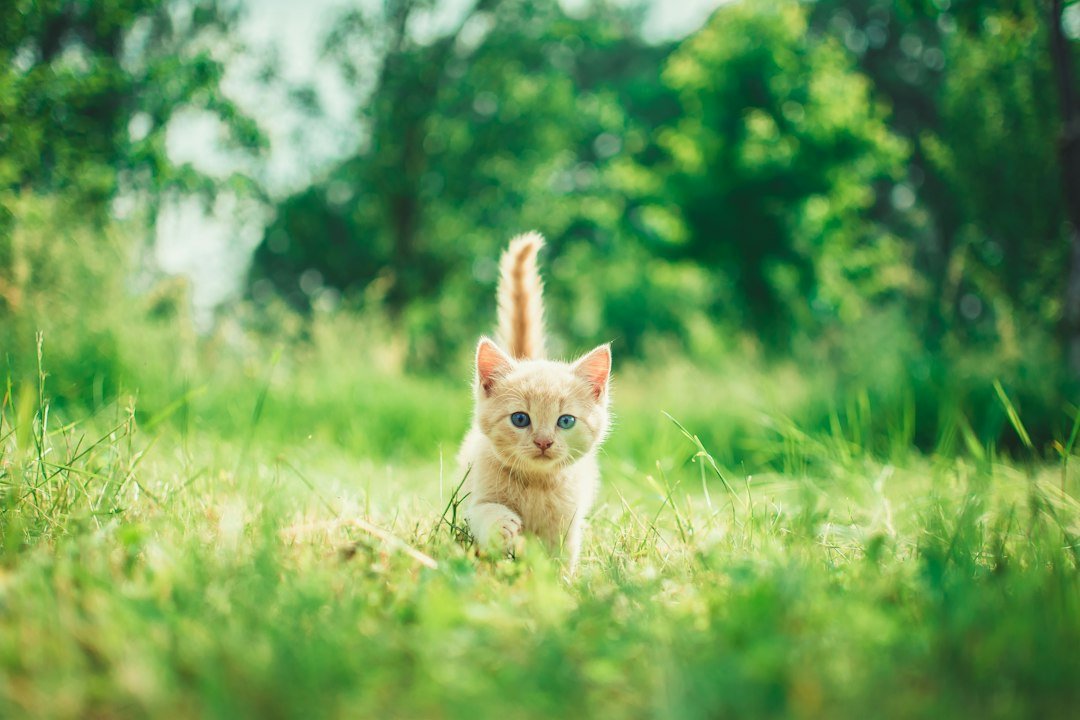
The answer to how to childproof a home for a kitten with toddlers at home is to reduce small-item hazards, block unsafe rooms, and give the kitten a protected space away from busy little hands. Start before the kitten arrives. A kitten can squeeze into narrow gaps, chew things quickly, and turn an ordinary floor into a risky place within minutes, while toddlers may not yet understand why a tiny toy, dangling cord, or open door needs attention.
How to childproof a home for a kitten with toddlers at home
Think of your home as needing two kinds of safety checks. One check is for what a kitten can swallow, climb, chew, or hide inside. The other is for what a toddler might offer, carry, drop, or accidentally leave open. Keep it simple. You do not need a perfectly bare house, but you do need clear boundaries that adults can maintain every day.
Begin with one kitten-safe room, such as a spare bedroom or quiet office with a closing door. Put the litter box, water, food, bed, scratching surface, and a few safe toys there. This room gives the kitten somewhere to rest when visitors arrive, toddlers become energetic, or you cannot actively supervise. Close the door. A calm retreat also helps prevent a frightened kitten from running under furniture or through an exterior door.
Check the floor at toddler level
Get down low and look across each room as a kitten would. Small objects are the biggest concern. Pick up items that could be swallowed, including beads, coins, hair ties, rubber bands, buttons, toy parts, batteries, paper clips, and bits of balloon. Check often. Toddlers can scatter objects faster than most adults expect, especially around craft supplies, toy bins, and snack time.
- Use a lidded container for building bricks, doll accessories, and other toys with small detachable pieces.
- Keep craft materials in a high cupboard or a latched drawer after each use.
- Empty the floor-level trash regularly, or use a trash can with a secure lid.
- Put laundry away promptly because socks, ribbons, and strings can be tempting to bat at or chew.
A quick five-minute floor sweep before bedtime is useful. Make it routine. Walk through the main living area with a basket and collect anything that does not belong on the floor, then return it to its usual storage place.
Secure cords, strings, and tempting household items
Kittens often investigate movement with their paws and mouths. Dangling blind cords, charging cables, earbuds, and curtain ties can become targets. Keep cords short and covered where possible. Use cord covers or route cables behind furniture, and unplug chargers when they are not in use. Avoid leaving yarn, ribbon, dental floss, or string toys out after play. Put them away.
Do not assume a kitten will only play with a toy as intended. A child may also carry a cat wand around, swing it near the kitten, or leave it under a chair. Adult-led play is the safest approach for toys with strings, feathers, elastic, or loose attachments. Choose sturdy, kitten-sized toys for independent play, then inspect them for damage before putting them back down.
Make kitchens, bathrooms, and laundry areas off-limits
Some rooms have too many changing hazards for free kitten access. Kitchens contain hot surfaces, food scraps, sharp tools, cleaning products, and appliance gaps. Bathrooms may have medications, razors, toilet water, and small toiletries. Shut those doors. If a door cannot stay closed, use a secure gate only after checking that the kitten cannot slip through, climb over it, or become caught in it.
Keep all medicines, vitamins, nicotine products, cleaning products, dishwasher pods, and pest-control items in closed cabinets that children cannot open. Do not leave a handbag on the floor if it contains medication, gum, cosmetics, or other small items. Move it up. The same applies to guest bags, which may contain things you would not normally keep within reach.
Close toilet lids, and check washing machines, dryers, cupboards, recliners, and sofa beds before using them. Kittens seek warm, dark hiding spots. Make a habit of looking first, even if you think the kitten is elsewhere. This is especially useful in a home where a toddler may have shut a kitten into a room without anyone noticing.
Handle plants, windows, and furniture carefully
Check every houseplant before bringing the kitten home, then keep unknown plants out of reach until you have confirmed they are safe for cats through a reliable veterinary or animal poison resource. Do not rely on a plant being placed on a table. Kittens climb. Fallen leaves and spilled potting soil are also easy for toddlers and kittens to investigate.
Windows need attention too. Screens can tear or pop loose, and they are not a safety barrier for an unsupervised kitten. Keep windows closed or use secure window stops that limit the opening. Check them. Secure tall bookcases, shelving units, and televisions to the wall according to the manufacturer instructions, since both a climbing kitten and a pulling toddler can make unstable furniture dangerous.
Teach toddlers simple kitten rules
Toddlers do better with short, repeatable rules than long explanations. Use the same words each time. Try: gentle hands, kitten sleeping, and ask an adult first. Keep the message calm. Repetition matters more than a perfect lesson, especially when the kitten is new and exciting.
Show your child how to touch the kitten with an open hand along the back or shoulder area, rather than grabbing the tail, paws, belly, or ears. Sit on the floor for supervised visits. This reduces the chance of a fall if the kitten squirms. Do not make the toddler hold the kitten. Many kittens dislike being restrained, and a child can lose grip suddenly.
Give your toddler a safe job instead. They can help an adult carry an empty food bowl, choose a toy for supervised play, or say goodnight at the kitten room door. Keep food and litter tasks adult-managed. Wash hands after touching the kitten, its dishes, litter area, or toys, and before meals.
Learn the kitten’s request for space. A kitten that crouches, hides, backs away, flattens its ears, swishes its tail sharply, or bats without claws may be overwhelmed. Pause there. Guide the toddler to another activity and let the kitten leave. Never punish the kitten for trying to get away, growling, or hissing. Those behaviors can be warning signals that the kitten needs distance.
Set up daily routines that prevent mistakes
Good childproofing is mostly routine. Put the kitten in its safe room before cooking, vacuuming, bringing in groceries, opening exterior doors for visitors, or managing a busy toddler moment. This is not a punishment. It is a predictable break where the kitten has water, litter, and a familiar place to settle.
Use a simple handoff routine when one adult leaves and another takes over. Say where the kitten is, whether doors are closed, and whether the kitten has had active play recently. Be specific. A sentence such as kitten is in the bedroom with the door shut prevents the assumption that someone else is watching.
Watch introductions closely for the first several weeks, then continue to supervise whenever play gets loud or the toddler is carrying toys. Increase freedom gradually. If the kitten begins hiding more, avoiding a room, or reacting defensively during interactions, reduce contact and return to shorter, quieter visits. A veterinarian can help with concerns about a kitten’s health or behavior.
A practical childproofing checklist
- Choose a kitten-safe room and stock it before the kitten comes home.
- Do a floor sweep in the living room, child bedroom, and kitchen each evening.
- Store strings, small toys, medications, cleaners, and batteries behind closed doors or in secured containers.
- Close bathroom, laundry, and kitchen doors when you cannot supervise.
- Check windows, furniture, appliances, and hiding spots before allowing the kitten into a new area.
- Practice one toddler rule each day: gentle hands, ask first, or give the kitten space.
If you can only do one thing today, create the safe room first. That gives you a reliable place for the kitten whenever the rest of the house feels too busy. Then work room by room. A steady setup is easier to maintain than a large safety project done once and forgotten.
Frequently asked questions
Can a kitten and toddler play together?
They can spend time together with close adult supervision. Keep sessions short. Let the kitten choose whether to approach, and redirect the toddler if they chase, grab, corner, or carry the kitten. Interactive toys can help create distance between little hands and the kitten, but string toys should be used with an adult present.
Should I use baby gates for a kitten?
A baby gate may help slow down a toddler or mark a boundary, but many kittens can fit through bars, climb, or jump over common gates. Test it first. A closed door is more reliable for rooms that contain litter, cleaning products, appliances, or other hazards.
Where should the litter box go with toddlers at home?
Place it in a quiet, accessible area that the toddler cannot casually reach, such as a laundry room with a secure adult-managed door or a gated utility space that the kitten can safely access. Keep it away from food and water. An adult should handle scooping and cleaning.
What should I do if my toddler scares the kitten?
Separate them calmly and give the kitten access to its quiet room. Keep your response brief. Then show the toddler what to do next time, such as sitting still, using gentle hands, or calling an adult. Avoid forcing another interaction right away.
Related posts
This post is for general informational purposes only and is not veterinary advice. Every cat is different — if you have concerns about your cat’s health or behavior, please consult a qualified veterinarian.