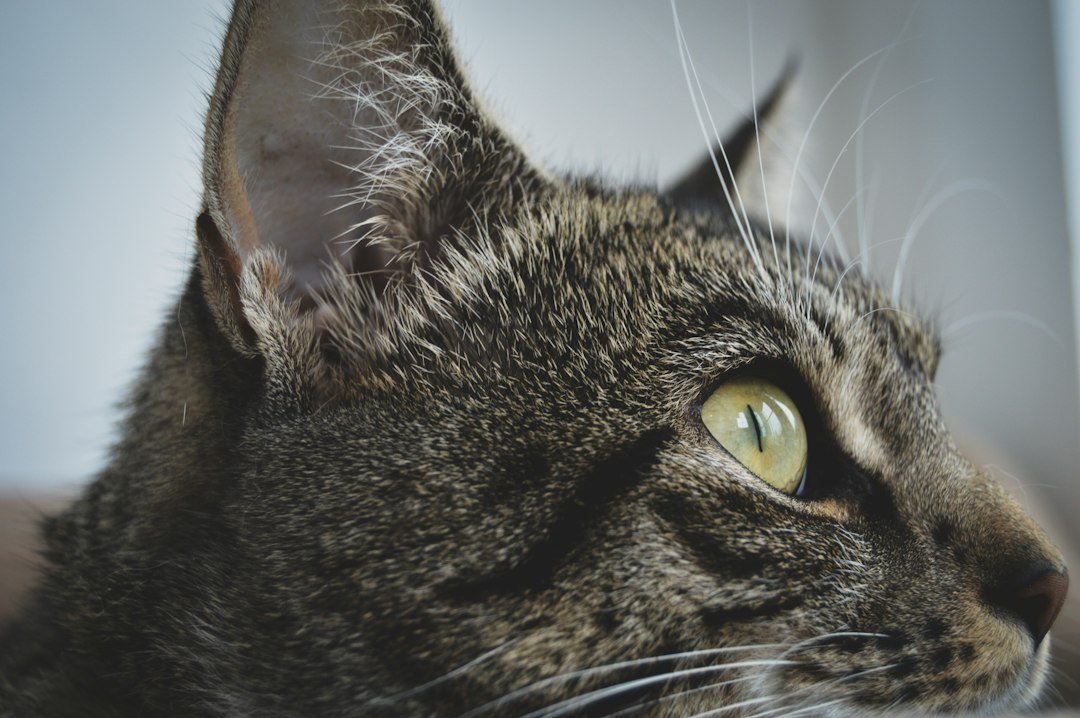
When you are sorting cat shaking head causes, gently look at the outside of both ears right now, then stop if your cat pulls away or seems painful. Do not put anything into the ear canal. Cat shaking head causes besides ear mites can include irritation, infection, trapped debris, skin disease, or a problem deeper in the ear, and the clues around the shaking help determine how quickly your cat needs veterinary care.
Cat shaking head causes besides ear mites
Head shaking is a cat’s attempt to move away from discomfort or an unfamiliar sensation around the ear. Sometimes it is brief and harmless, such as after a bath or a little water splashes near an ear. Repeated shaking is different. If it happens several times a day, wakes your cat, or comes with scratching, treat it as a reason to look closer and contact a veterinary clinic.
Ear mites are common enough that many owners think of them first, especially when a cat has dark, crumbly ear debris. They are not the only explanation. A cat can have clean-looking ears and still have soreness, inflammation, or trouble in the middle or inner ear that needs an examination.
Common causes outside the ear mite question
Ear infections and inflammation
Bacteria or yeast can multiply when the ear canal is inflamed, moist, narrowed, or affected by an underlying skin problem. The ear may smell sour or musty. You may see yellow, brown, black, or wet discharge, redness around the canal opening, frequent scratching, or a cat that flinches when the base of the ear is touched.
An infection cannot be identified reliably by odor or color alone, and treatments differ depending on what a veterinarian sees on examination. Avoid leftover pet medication. Some ear products are unsafe if the eardrum is damaged, and the wrong product can delay useful treatment.
Allergies and skin irritation
Environmental allergies, food reactions, flea allergy, and contact irritation can make the skin around the ears itchy. Look beyond the ears. Cats with skin allergies may also overgroom, lick their paws, scratch their neck, or develop small scabs around the head and neck.
A new cleaner, fragrance, shampoo, topical product, or bedding detergent can irritate some cats. Stop using any newly introduced product that seems linked to the problem, but do not assume that is the full answer if the head shaking continues. Persistent itch often needs a veterinarian to sort out.
Wax, water, or a foreign object
A small amount of earwax is normal. Heavy wax buildup can trap moisture and make a cat uncomfortable, especially in cats with narrow or hairy ear canals. Water after a bath can also trigger a short burst of shaking. It should settle soon.
Grass seeds, dirt, dried plant material, or an insect can occasionally enter an ear, particularly in cats that go outdoors. This can cause sudden, vigorous shaking and sharp discomfort on one side. Do not probe for it. Even a cotton swab can push material farther down the canal or injure delicate tissue.
Injury or a bite wound
Rough play, a scratch, a bite, or a blow to the side of the head can leave an ear sore. Check the outer ear flap for a scab, swelling, puncture, warmth, or a tender spot. Keep the check brief.
Repeated forceful shaking can also cause an aural hematoma, which is a pocket of blood between layers of the ear flap. The flap may look puffy, thick, or balloon-like, often on one side. This needs prompt veterinary attention because it is painful and can permanently change the ear’s shape if left untreated.
Polyps, growths, and narrowed ear canals
Some cats develop inflammatory polyps or other tissue changes in or near the ear canal. These may cause recurring discharge, one-sided head shaking, noisy breathing, or changes in the way a cat swallows, depending on where the tissue is located. They cannot be confirmed at home.
Older cats can also develop lumps or skin changes around the ear opening. Any visible mass deserves a veterinary appointment, even if your cat is still eating and acting normally. Early checking gives the clinic more options for identifying what is there.
Middle or inner ear problems
Discomfort deeper in the ear can cause shaking even when the outer ear does not look dramatic. More concerning signs include a head tilt, stumbling, circling, unusual eye movements, nausea, vomiting, facial asymmetry, or trouble jumping accurately. These signs need prompt assessment.
Balance signs are not something to watch for days. Keep your cat indoors, prevent access to stairs or high furniture, and call a veterinary clinic or emergency service for guidance. A cat that cannot stand, seems disoriented, or has sudden severe symptoms should be seen urgently.
What the pattern can tell you
| What you notice | What it may suggest | Useful next step |
|---|---|---|
| Dark dry debris and scratching | Mites, wax, or an ear infection | Book an examination rather than treating by appearance |
| Bad smell, wet discharge, redness, or pain | Inflammation or infection | Arrange a veterinary visit soon |
| Sudden one-sided violent shaking outdoors | Debris, an insect, or injury | Keep the ear untouched and seek same-day advice |
| Puffy ear flap | Aural hematoma after scratching or shaking | Contact a veterinarian promptly |
| Head tilt, falls, circling, or odd eye movement | Possible deeper ear or neurological issue | Seek urgent veterinary care |
This table cannot tell you exactly what is wrong. Several conditions overlap. The useful distinction is whether your cat seems comfortable and the symptom passes quickly, or whether there is pain, discharge, swelling, altered balance, or repeated shaking that keeps returning.
What you can safely do at home
Start by watching your cat in good light without restraining them hard. Compare both ear flaps and look only at the entrance of each canal. Note whether the issue is one-sided, whether there is visible debris or odor, and whether your cat scratches, cries, hides, or resists touch.
- Take a short video of the head shaking or any balance change.
- Write down when it started and whether your cat was outdoors, bathed, groomed, or exposed to a new product.
- Check for visible swelling, wounds, discharge, or a change in the ear flap’s shape.
- Keep your cat indoors until you know more, especially if debris or injury is possible.
- Call a veterinary clinic with the pattern you observed.
Video is useful. Cats often stop shaking once they arrive at the clinic, and a short recording can show the intensity and any head tilt that was present at home. Bring details about current flea prevention, recent medications, and any ear cleaner or drops used recently.
Do not use cotton swabs, tweezers, hydrogen peroxide, essential oils, alcohol, human pain medicine, or over-the-counter ear drops unless a veterinarian has specifically directed you to use that product for your cat. Cats have sensitive ear canals. A product that seems mild can sting inflamed tissue or create a bigger problem when the eardrum is not intact.
When to call the veterinarian
Call the same day if head shaking is frequent, clearly painful, one-sided and sudden, or paired with discharge, odor, bleeding, swelling, or intense scratching. Make an appointment within a day or two if the behavior keeps recurring even though your cat otherwise seems well. A brief shake after getting wet may pass, but ongoing shaking is not normal behavior to ignore.
Seek urgent care for loss of balance, a persistent head tilt, repeated vomiting, facial weakness, collapse, seizures, severe lethargy, heavy bleeding, or an ear flap that rapidly swells. Those signs can involve more than a simple itchy ear. Keep the journey calm and use a carrier.
At the appointment, the veterinarian may examine the ear canal with an otoscope and collect a small sample of debris when needed. That lets them look for mites, yeast, bacteria, or other material instead of guessing from the ear’s appearance. Treatment depends on the finding and may also include addressing the skin, allergy, injury, or deeper ear issue that started the shaking.
The practical takeaway is simple. A cat that shakes its head once after water gets near an ear may be fine, but repeated shaking, pain, discharge, swelling, or balance changes deserves a closer look and timely veterinary advice.
Related posts
This post is for general informational purposes only and is not veterinary advice. Every cat is different — if you have concerns about your cat’s health or behavior, please consult a qualified veterinarian.