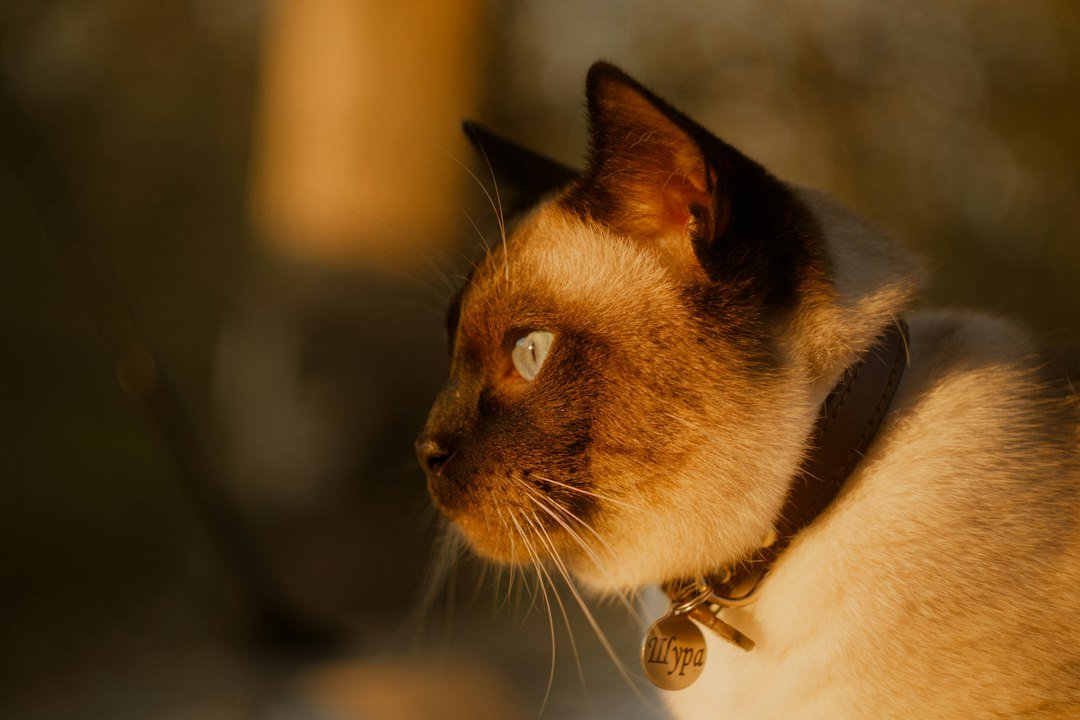
A common misconception is that the best cat collar with bell for bird safety is simply the loudest collar on the shelf. That is misleading. A bell may give nearby birds an extra moment of warning, but it cannot stop a determined cat from stalking, pouncing, or waiting beside a feeder, so the best cat collar with bell for bird safety balances audibility with a safe release buckle, low weight, correct fit, and your cat’s tolerance for wearing it.
Start with the cat’s safety. A collar should release if it catches on a branch, fence, or indoor furniture, because even a careful outdoor routine cannot remove every snagging risk. Choose a purpose-made breakaway buckle rather than a fixed buckle, elastic insert, or collar that relies only on looseness for safety. Breakaway mechanisms are made to open under pressure. Test the closure gently before use, then check it periodically for grit, cracked plastic, or wear that may change how it releases.
The bell is a warning device, not a shield. Cats are quiet hunters, and a small bell changes that advantage somewhat by adding sound as the cat moves. Still, wind, tall grass, traffic noise, a bird’s distance, and the cat’s movement all affect whether the bell is heard in time. Some cats also learn to move very slowly. Manage expectations.
What the best cat collar with bell for bird safety needs
Look for a collar that is light enough for daily wear but substantial enough that the bell, ring, and buckle do not twist under the chin. Very cheap hardware can rust, bend, or develop rough edges. Check it closely. A smooth metal ring and a well-secured bell are usually more practical than a bell hanging from a thin, open loop that can spread apart.
A good bell should make a clear sound with ordinary walking and head movement. You do not need a huge bell. Oversized bells can knock against a cat’s chest, catch in fur, or make the collar swing around. Small bells are common, but sound differs more than their size suggests because the metal thickness, internal bead, and opening affect the tone. If possible, move the bell in your hand before removing packaging, or read product descriptions that state whether a bell is included and attached.
Pay attention to how the bell hangs. A single small bell attached below the buckle area often stays reasonably centered, while several charms can spin around the neck and create extra weight or snag points. Keep it simple. Avoid dangling decorations, long ID-tag clusters, and sharp-edged novelty charms if bird safety is the reason for the collar.
Breakaway construction matters more than decorative material. Some collars use a plastic side-release buckle designed to separate under force, while others use a hook-and-loop closure that can release when caught. Either can work if it is made well and fits properly. A collar marketed as breakaway should have a closure intended to open. Do not assume that an elastic panel makes a collar equally safe.
Material affects comfort and upkeep. Nylon is common, light, and easy to wipe clean, though its edges can fray over time. Soft fabric collars can be comfortable but may hold moisture longer after rain. Leather may look durable, yet it can stiffen when wet and needs more care. There is no perfect material. Choose one that stays comfortable in your cat’s usual weather and can be inspected easily.
Fit the collar before relying on it
Even a well-made breakaway collar needs the right fit. Too loose, and a cat may catch a front leg through it or work the collar off repeatedly. Too tight, and it can rub skin or restrict comfortable movement. Use the two-finger check. You should usually be able to slide two flat fingers between the collar and the back of your cat’s neck without forcing them.
Check the fit again after a few minutes of normal movement. Cats lower their heads, stretch, groom, and pull backward when startled. Watch calmly. The collar should not ride up over the jaw, press into the throat, or rotate so the bell sits constantly under one ear.
Kittens and young cats need especially frequent checks because neck size can change quickly. Long-haired cats need a hands-on check rather than a visual guess. Fur hides gaps. For an adult cat, inspect fit at least once a week and after bathing, rain, weight change, or any lost-and-found collar incident.
Do not tighten a collar to prevent it from coming off. That defeats the point of a breakaway design. A collar that releases during a snag may be doing its job, even though replacing lost collars is frustrating. Keep a spare. If your cat loses collars often, assess where and when it happens before switching to a non-breakaway model.
Bell sound and the trade-offs
Louder is not automatically better. A very loud bell close to a cat’s ears may be irritating, and there is no universal volume that suits every cat or outdoor setting. The useful question is whether the bell makes a distinct sound during normal movement without turning the collar into a heavy, constant noisemaker. Listen to it at arm’s length. Then imagine it moving beside your cat’s head for hours.
Some bells become quieter when fur covers them or when the small internal bead wears down. Others rust after wet weather and stop ringing cleanly. Check monthly. Replace the bell or collar if the sound has changed, the surface has corroded, or the attachment ring looks stretched.
A bell may also annoy a cat who is sensitive to sound or who spends much of the day grooming, climbing, and resting indoors. Signs that the setup is not going well include persistent scratching at the collar, frantic attempts to remove it, hiding after it is put on, or repeated irritation around the neck. Take the collar off if it causes distress. A gradual introduction can help with many cats, but not every cat will accept a bell comfortably.
Try short indoor sessions first. Put the collar on during a relaxed period, offer a normal meal or quiet activity, and remove it after a few minutes if your cat remains comfortable. Increase wearing time over several days. Do not leave a new collar on an unsupervised cat immediately, because you need to see how it fits and whether the bell catches on fur.
Consider options beyond a bell
A bell is only one layer of bird-safety planning. Supervised outdoor time, a secure catio, leash walks with suitable equipment, and keeping cats indoors during periods of high bird activity can reduce opportunities to hunt. Context matters. A cat with access to dense shrubs near nesting areas presents a different challenge than a cat who only spends brief supervised time on a patio.
Bright, high-visibility collar covers are another product category to research. These covers are designed to make a cat more noticeable to birds during daylight. They are often sold separately or combined with a breakaway collar, and they can be more visually obvious than a bell in open light. They also add bulk. Check that any cover does not interfere with the breakaway buckle, cover the ID information you need, or make your cat overheat in warm weather.
If bird safety is your main goal, avoid treating a collar purchase as the whole solution. Food left outdoors can attract birds and create hunting opportunities. Bird feeders placed where a cat can hide nearby can do the same. Simple yard changes help. Place feeders away from dense ambush cover when possible, and bring your cat inside before dawn and around dusk if those are active outdoor periods in your area.
Some people consider a GPS tracker at the same time as a bell collar. Be cautious with size and total hanging weight. A tracker, bell, ID tag, and decorative charm can turn a simple collar into a heavy cluster that swings under the throat. Prioritize safety. If tracking is needed, look for a device specifically sized for cats and confirm that it can be used with a breakaway collar.
How to compare collars before buying
Use the product listing as a starting point, not proof that a collar suits your cat. Marketing terms such as safety buckle, reflective, and adjustable can be useful, but photographs do not always show how thick the webbing is, how the bell is attached, or whether the buckle is genuinely designed to release. Read the specifications. Look for neck-size range, material, buckle type, bell attachment, and care instructions.
Read recent customer feedback with a specific question in mind. Comments about a collar falling off may indicate a properly functioning breakaway buckle, poor sizing, or a weak closure. The details matter. Pay more attention to repeated reports of fraying, a bell detaching, rough hardware, or a buckle that will not release than to broad star ratings.
Check return policies before opening a package if your cat is unusually sensitive to collars. Policies vary by retailer and region. A collar may be inexpensive, but replacing several poorly fitting options costs more than choosing one with clear sizing and a practical return process. Keep packaging until you have checked the fit indoors.
Price is not a reliable safety test. A basic breakaway collar with one secure bell may be a better choice than a premium-looking collar covered in metal pieces. Spend for sound construction, easy adjustment, and a collar you will inspect. Skip unnecessary extras.
Type and budget examples
For a straightforward everyday option, compare lightweight nylon collars with plastic breakaway buckles and one attached bell. These are commonly the least expensive type, often found in the roughly $5 to $15 range, and they are practical when the webbing is smooth, the adjustment holds, and the bell ring is secure. This type is usually the best starting point for a healthy adult cat that needs a simple collar for supervised outdoor time.
A hook-and-loop, or Velcro-style, breakaway collar can suit cats that are hard to fit because it allows very small adjustments. These collars may cost roughly $8 to $20 depending on the fabric and closure quality. Compare how firmly the closure stays closed during ordinary movement and how readily it opens under a snag. Hook-and-loop material can also collect fur and debris, so it needs more frequent cleaning and inspection than a simple nylon buckle collar.
Fabric or reflective breakaway collars with a reinforced bell attachment often fall in a mid-range price category of about $10 to $25. They can be a useful choice for cats outdoors in low light, provided the reflective trim does not make the collar stiff and the added material does not interfere with the release buckle. A higher price is worthwhile only if it improves stitching, hardware, adjustability, or visibility rather than adding heavy decorations.
For bird-focused use, compare each type using the same points: whether the closure is purpose-made to release, whether a single bell rings during normal movement, whether the collar stays light with an ID tag attached, and whether the fit remains stable after your cat walks, grooms, and rests. The best option is the type that meets those safety checks for your individual cat, not necessarily the most expensive collar.
Choose by your cat’s situation
If your cat spends time both indoors and outdoors, a lightweight nylon breakaway collar with one bell is usually the most practical starting point. Indoor furniture creates snag risks too, so do not switch to a fixed buckle just because outdoor time is supervised. Choose a washable material, keep attachments minimal, and check the bell after rain or muddy play.
If you have a kitten or a young cat with a narrow neck, prioritize a collar with a small stated neck-size range and a low overall weight. A hook-and-loop breakaway style may allow finer adjustment, but inspect it often because kittens grow quickly and fur can collect in the closure. Recheck the two-finger fit frequently rather than buying a loose adult-size collar for your cat to grow into.
If your cat has long fur, look for a smooth, simple collar with a bell that hangs clear of the coat. Thick fur can muffle a small bell and hide a collar that has become too tight or twisted. A basic buckle-style breakaway collar can be easier to inspect by hand, while multiple charms and covers are more likely to catch in the coat.
If your cat is sensitive to sound, start with the lightest collar and a modestly sized bell rather than choosing the loudest option. Test it indoors for short sessions. If the bell causes distress, remove it and rely more heavily on supervised access, a catio, or other measures that reduce hunting opportunities.
A practical buying checklist
- Measure your cat’s neck with a soft tape or string, then compare that measurement with the maker’s stated adjustment range.
- Choose a collar with a purpose-made breakaway closure and a single securely attached bell.
- Check that the collar is light, smooth, and free of long dangling pieces.
- Fit it with the two-finger check, then watch your cat walk, groom, and rest indoors.
- Inspect the bell, ring, stitching, and buckle each week, especially after wet weather or outdoor play.
- Use the collar alongside supervised access and yard habits that reduce hunting opportunities.
This process takes little time. It also prevents a common mistake, which is buying for the bell sound alone and overlooking fit, release function, and the cat’s comfort. If a cat repeatedly rejects the collar, forcing the issue is unlikely to make the setup safer.
Frequently asked questions
Do bells on cat collars keep birds safe?
Bells can provide an audible cue that may help some birds notice a moving cat. They are not foolproof. A cat can still hunt successfully, particularly when vegetation, wind, distance, or slow movement muffles the sound, so pair a bell with practical limits on unsupervised outdoor access.
Should a cat bell collar always be breakaway?
For everyday cat wear, a breakaway design is generally the safer choice because collars can catch on objects. Snags happen. Check that the buckle actually releases as intended, and accept that a collar may occasionally be lost when it has done its safety job.
Can my cat wear an ID tag and bell together?
Yes, if the combined hardware stays light and does not create a long, swinging cluster under the neck. Keep the attachments minimal. Check that the tag and bell do not hook together, cover the breakaway release, or irritate your cat while grooming.
What if my cat hates the bell?
Remove it and reassess rather than assuming your cat will get used to it. Some cats tolerate a gradual introduction, while others remain uncomfortable with the sound or sensation. A secure outdoor enclosure or supervised time may be a better bird-safety measure for a cat that will not wear a bell collar calmly.
How often should I replace a cat collar with a bell?
Replace it when the buckle becomes unreliable, the webbing frays, the adjustment slips, the bell rusts, or the attachment hardware bends. There is no fixed calendar rule. Regular inspection is more useful than waiting for a set replacement date.
Related posts
This post is for general informational purposes only and is not veterinary advice. Every cat is different — if you have concerns about your cat’s health or behavior, please consult a qualified veterinarian.