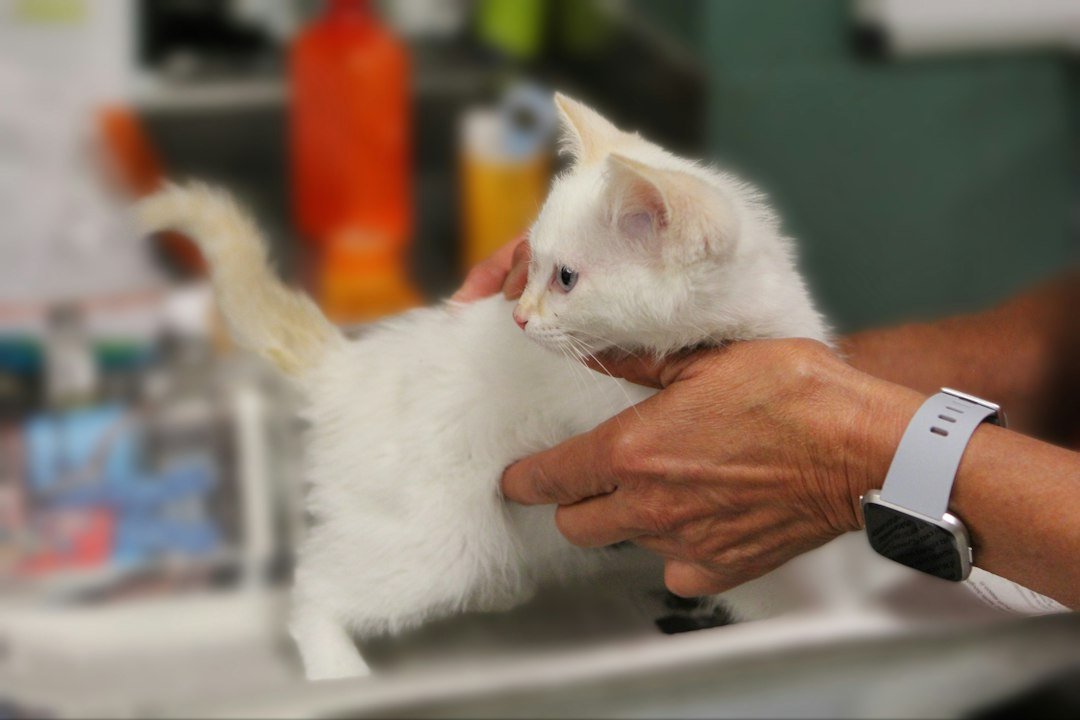
The clearest signs of a healthy kitten before adoption are bright, comfortable behavior, clean body areas, a good appetite, and a kitten who moves easily without obvious distress. Use these signs of a healthy kitten before adoption as a screening tool, not a guarantee, because a brief visit cannot reveal every health concern. Start with a calm look.
A kitten may be sleepy after play, shy in a new room, or unsettled around unfamiliar people. That is normal. What matters is the overall picture: whether the kitten seems reasonably alert when awake, interacts in a natural way for its age, and has no clear signs that it feels unwell or uncomfortable.
Signs of a healthy kitten before adoption
Give yourself enough time to watch before picking the kitten up. Ten to fifteen minutes is useful. If the kitten lives with littermates, observe how it walks, plays, rests, eats if possible, and responds when another kitten approaches, because these ordinary moments often tell you more than a quick cuddle.
| Area to check | What generally looks reassuring | What deserves a question |
|---|---|---|
| Eyes | Clear, open eyes with little or no discharge | Persistent squinting, cloudiness, marked redness, or thick discharge |
| Nose | Clean nose and quiet breathing | Frequent sneezing, crusting, nasal discharge, or noisy breathing |
| Ears | Clean-looking ears without a strong smell | Dark debris, redness, repeated scratching, or head shaking |
| Coat and skin | Clean coat, comfortable skin, no obvious bare patches | Fleas, scabs, dandruff, patches of hair loss, or sores |
| Movement | Even walking, climbing, and play appropriate for age | Limping, stiffness, repeated falling, or reluctance to move |
| Rear end | Clean fur under the tail | Diarrhea stuck to fur, swelling, redness, or a strong odor |
None of the question marks in the table automatically means you should reject a kitten. Some issues are minor and treatable. Still, a responsible rescue, breeder, or current owner should answer plainly about what they have noticed, what care the kitten has received, and whether a veterinarian has assessed the concern.
Check the kitten’s face and body
Look at the eyes first. They should usually be open and comfortable, without constant blinking or a heavy coating of discharge at the corners. A small amount of sleep crust can happen. Thick yellow or green discharge, a closed eye, obvious swelling, or a kitten that keeps rubbing its face calls for a direct conversation before you commit.
Listen while the kitten breathes. Quiet breathing is reassuring. Brief purring can sound louder than normal breathing, so wait until the kitten settles, then watch the chest rise and fall without visible strain. Ask about any repeated coughing, sneezing, or breathing noises you hear during the visit.
Check the ears without pushing anything inside them. The outer ear should look fairly clean, and the kitten should not react as though a light touch hurts. Dark, crumbly material can be associated with ear problems, while a strong smell or inflamed skin deserves veterinary attention. Leave the cleaning to the current caregiver or a vet.
A healthy-looking coat is usually reasonably clean and full for that kitten’s age and type. Run your hand gently along the back if the caregiver allows it. Feel for a comfortable body condition rather than expecting a round belly, since a very swollen abdomen can have several possible causes and needs a proper assessment.
Watch movement, appetite, and litter habits
Young kittens sleep a lot, then wake up with sudden energy. That is typical. When awake, watch how the kitten uses its body. It should place weight on all four legs, explore, and use the litter tray if available without repeated stumbling or crying. For example, a very young kitten may wobble briefly while turning during play, but it should recover easily rather than repeatedly collapsing or trailing behind its littermates. Persistent weakness or an inability to keep up deserves a question.
Ask to see a normal meal if the timing works. A kitten does not need to eat in front of a visitor to be healthy, especially in a busy setting. However, the caregiver should be able to tell you what food the kitten eats, how often it eats, whether its appetite has changed, and whether any vomiting or loose stool has occurred recently.
The area under the tail offers useful information. It should be reasonably clean and dry. A little mess can happen after one loose stool, particularly during food changes or stressful days. For instance, one soiled patch after a diet change is different from fur that remains repeatedly matted with diarrhea. Ongoing diarrhea can dehydrate a small kitten quickly, so ask how long it has been happening and whether the kitten has been checked.
Ask for records and clear answers
A good checklist for buyers includes paperwork as well as observation. Keep it simple. Ask for the kitten’s estimated birth date, vaccination record, parasite treatment record if one exists, food details, litter type, and any known illness, injury, medication, or veterinary visit.
- Ask when the kitten was last seen by a veterinarian.
- Ask which vaccines or treatments have been given, with dates if available.
- Ask what food the kitten currently eats and how much.
- Ask whether the kitten has lived with other cats, dogs, or children.
- Ask whether there have been appetite, stool, or behavior changes recently.
Clear answers matter. A caregiver may not know every detail, especially in a rescue setting, but they should not pressure you to ignore reasonable questions. Be cautious if someone refuses to let you see where the kitten lives, will not discuss health history, or insists on an immediate payment before you can think things through.
Consider age, social behavior, and the home setup
Do not judge confidence too quickly. One kitten may march over to greet you, while another needs a few quiet minutes before it comes closer. Both can become lovely companions, but a kitten should generally show some awareness of people and its surroundings rather than seeming completely shut down, distressed, or difficult to rouse.
Ask when the kitten was separated from its mother and littermates. Very early separation can make feeding and social adjustment harder. Local rules and rescue policies differ, but kittens are commonly kept with their mother and siblings until they are weaned and developing well enough for a move.
Look at the living space too. It does not need to be perfect. It should have fresh water, an area to rest, a reasonably clean litter tray, and no obvious overcrowding or unsafe hazards. A messy environment can make it harder to judge the kitten’s own condition and can increase exposure to parasites or infections.
Make a practical adoption decision
Use a two-part decision. First, decide whether the kitten appears comfortable today and whether the caregiver has been open about its history. Second, decide whether you can arrange a veterinary appointment shortly after adoption, budget for routine care and surprises, and give the kitten a quiet settling-in room at home.
Bring the kitten home in a secure carrier, offer the same food for the first few days, and avoid introducing every room or pet at once. Go slowly. A veterinary check soon after adoption is sensible even when the kitten looks well, because it establishes care and gives you a chance to discuss feeding, vaccines, parasite prevention, and any records you received.
Frequently asked questions
Should a healthy kitten be playful all the time?
No. Kittens often cycle between intense play and deep sleep. Look for normal interest and comfortable movement during awake periods rather than expecting constant activity.
Is a round belly always a warning sign?
No. A kitten can look round after eating. A noticeably swollen belly, especially with poor appetite, diarrhea, low energy, or an unthrifty coat, is worth asking about and discussing with a veterinarian.
Can I adopt a kitten with sneezing or eye discharge?
You can make that choice with full information. Ask what the caregiver has observed, whether the kitten has been examined, what treatment has been advised, and what follow-up care or costs may be needed.
What records should come home with the kitten?
Take copies of any vaccination, deworming, microchip, and veterinary records available. Also get the current food name, feeding routine, and contact details for the organization or person who placed the kitten.
Related posts
This post is for general informational purposes only and is not veterinary advice. Every cat is different — if you have concerns about your cat’s health or behavior, please consult a qualified veterinarian.