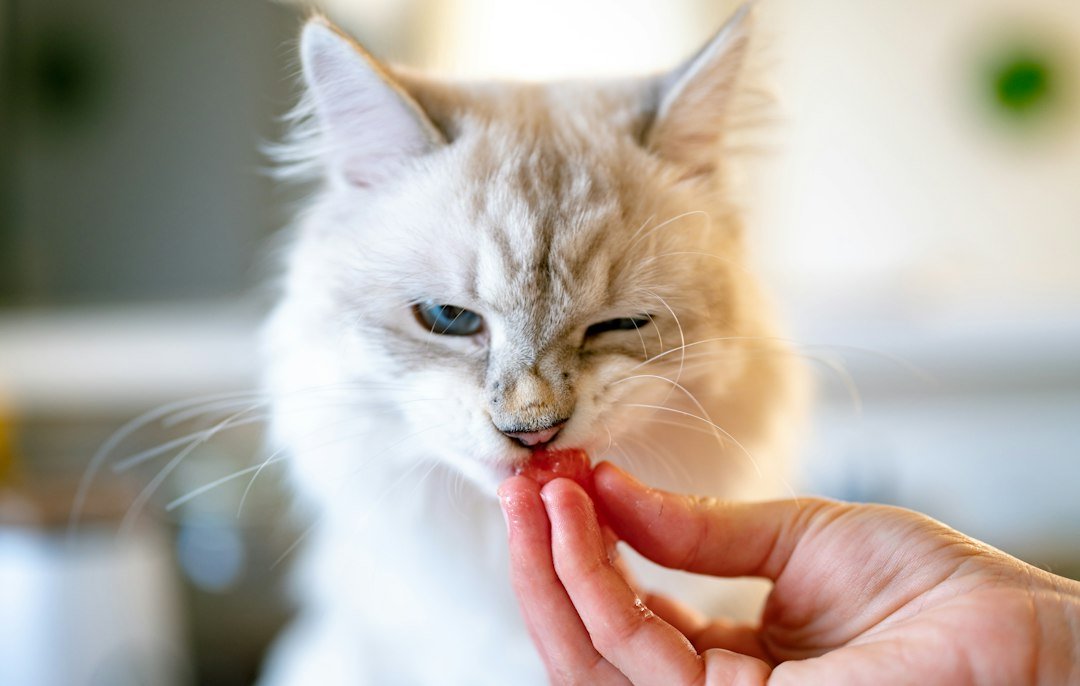
A common misconception is that the best freeze dried cat treats are automatically healthy simply because they contain meat. They are often simple, but simple is not the same as suitable for every cat. The best freeze dried cat treats should have a clearly named animal ingredient, usable calorie information, and a texture your cat can chew without trouble. Read the label first.
Freeze drying removes most moisture from raw ingredients at low temperatures, which creates a light, dry treat that usually has a strong meat smell. Cats often like that. Once water is removed, the protein and calories become concentrated into a very small piece, so a treat that looks tiny can still add up quickly during training or frequent snack time.
How to choose the best freeze dried cat treats
Start with the ingredient panel, not the front of the bag. A single-protein treat may list chicken breast, salmon, or beef liver as its only ingredient, while mixed recipes can include several animal ingredients and sometimes plant-based binders. Fewer ingredients make comparison easier. They do not automatically make a product better.
For many cats, a named meat, poultry, or fish ingredient is a straightforward choice. The wording matters. “Chicken” tells you more than a vague term such as “meat,” especially if you are trying to avoid an ingredient your cat has not tolerated well in the past. Keep the bag. You may need the lot information if you have a question for the manufacturer.
Check whether the package identifies the treat as a treat, a topper, or a complete-and-balanced food. This is a useful distinction. Most freeze-dried treats are intended for occasional feeding and do not provide the full vitamin and mineral balance a cat needs as its main diet, even when the ingredient list is entirely animal-based.
Calorie disclosure deserves more attention than it gets. A package may state calories per treat, per ounce, or per kilogram, and the per-treat number is usually the easiest one to use at home. Small numbers count. If one piece has 1 calorie and you give eight pieces during play, that is 8 calories before any other extras that day.
High protein options and what protein numbers mean
High protein options are usually made with meat, organs, fish, or a combination of these ingredients. Protein is useful for cats, which are obligate carnivores, but the highest percentage on a package is not always the most useful comparison. Moisture changes the math. Freeze-dried products contain very little water, so their guaranteed-analysis protein percentage can look much higher than a wet food label even when you are comparing different kinds of products.
Use protein as one part of the decision. A meat-only chicken or turkey treat commonly has a simple profile, while liver-heavy treats can be especially rich and aromatic. Some cats love them. Others get loose stools or lose interest when a rich treat is offered too often.
Fish-based treats are another popular high-protein option, particularly for cats that respond strongly to scent. They can be handy for nail trims or carrier practice. Still, a fish treat does not need to become the default reward just because your cat likes it most. Rotating treats can keep one flavor from becoming the only food your cat will accept during training.
Organ treats deserve a measured approach because they are concentrated and may be richer than plain muscle meat. Start small. Offer one small piece, then watch your cat’s appetite, litter box habits, and general comfort over the next day or two before making it a regular reward.
Choose a texture your cat can handle
Freeze-dried treats range from airy flakes to hard cubes. Texture matters. Large, dense chunks can be awkward for kittens, senior cats, or cats that gulp treats without chewing, while powdery crumbs may frustrate a cat that wants something substantial to bite.
Choose pieces you can break with your fingers if your cat tends to swallow quickly. That gives you more control over portions. It also lets you make one cube last through several repetitions when you are teaching a simple behavior, such as stepping onto a mat or entering a carrier.
Rehydrating is an option for many products. Add a few drops of plain water to a crushed piece and let it soften briefly, rather than leaving a wet treat sitting out for hours. Discard leftovers. Check the package first, since storage and handling directions vary between manufacturers.
Raw-food handling is part of the trade-off
Many freeze-dried meat treats are raw rather than cooked. That is a real trade-off. Freeze drying preserves the ingredient but does not work like cooking, so basic food-safety habits still matter around the bag, the bowl, and your hands.
Wash your hands after handling the treat, avoid placing it on kitchen preparation surfaces, and keep the bag sealed in a cool, dry place according to its label. Do not feed a product that smells unusually rancid, has visible moisture damage, or is past its date. When in doubt, skip it.
If someone in the household has a weakened immune system, or if your cat has health needs that affect food choices, ask a veterinarian before adding raw freeze-dried products. This is especially sensible before making a new treat part of a daily routine. The same care applies to young children who may handle crumbs or share feeding duties.
What product claims can and cannot tell you
Terms such as “single ingredient,” “human grade,” “limited ingredient,” and “made in the USA” can describe part of a product, but they do not replace the full label. Look closer. A single-ingredient recipe is easy to understand, while a country-of-origin claim may not tell you where every ingredient came from or how each batch was tested.
Research product pages and package labels before buying, especially if a recipe has changed or you are ordering online. Major brands such as PureBites, Vital Essentials, and Stella & Chewy’s sell freeze-dried cat treats in several protein types, but recipes, package sizes, calorie details, and availability can change. Verify the current label. The manufacturer’s feeding directions and lot information are more useful than an old retailer description.
Price is another practical trade-off. Freeze-dried treats generally cost more per ounce than many crunchy treats because the product is lightweight and moisture has been removed. Compare cost by number of usable rewards, not bag size alone. A larger cube that breaks into six training bits may last longer than a cheaper bag of tiny pieces you feed by the handful.
A simple way to test a new treat
- Read the label. Confirm the protein source, calorie statement, date, and storage directions. Take a photo.
- Offer one small piece. Use a quiet time when your cat is otherwise acting normally. Keep the portion tiny.
- Wait before increasing. Do not introduce several new foods on the same day. That makes reactions harder to sort out.
- Set a daily limit. Keep treats to a small part of the day’s calories, with 10 percent often used as a practical upper ceiling unless your veterinarian has given different guidance.
- Adjust for appetite. Reduce treats if your cat starts leaving regular meals behind. Meals come first.
This approach is deliberately boring. It works. A treat is easier to evaluate when it is the only new food, the portion is small, and you know exactly how many pieces were given.
When a cheaper treat may be the better buy
The most expensive freeze-dried option is not automatically the right one. A modestly priced product with a named protein, clear calorie information, intact packaging, and a size your cat can safely manage may suit your routine better than a premium bag that is too rich or too crumbly. Buy for the actual job.
For training, small breakable pieces and a moderate calorie count are usually practical. For an occasional food topper, flakes or crumbles may make more sense. If your cat is picky, buying the smallest available bag first can prevent waste. Start small.
Frequently asked questions
Are freeze-dried treats better than crunchy treats?
Neither type is automatically better. Freeze-dried treats often have a shorter ingredient list and a meat-forward smell, while crunchy treats may be easier to portion and less expensive. Choose based on ingredients, calories, texture, and your cat’s response. The label decides.
Can freeze-dried cat treats replace meals?
Usually, no. Most are labeled as treats or supplemental foods rather than complete-and-balanced diets, so they should not replace regular meals unless a product specifically states otherwise and a veterinarian has advised it. Treats stay treats.
How many freeze-dried treats can a cat have each day?
The answer depends on the calories in each piece and your cat’s overall food intake. Count the pieces. Use the package calorie information, keep treats as a small part of daily calories, and cut back if treats begin to displace normal meals.
Should I avoid freeze-dried raw treats?
Not every household makes the same choice. Raw freeze-dried products require careful handling because they are not cooked, and some households may prefer cooked treats for that reason. Follow package instructions. Ask a veterinarian if your cat or someone at home has special health considerations.
Related posts
This post is for general informational purposes only and is not veterinary advice. Every cat is different — if you have concerns about your cat’s health or behavior, please consult a qualified veterinarian.