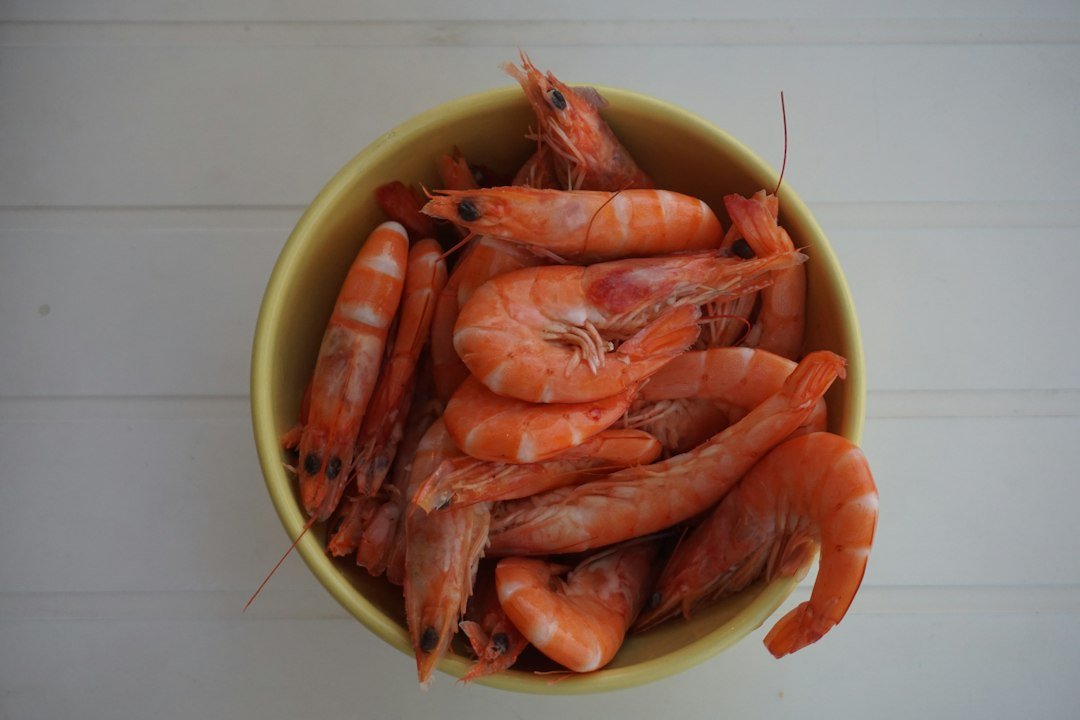
Can cats eat shrimp safely when you have a couple of plain shrimp left after dinner? Usually, yes, if the shrimp is fully cooked, unseasoned, shelled, and offered in a small amount. Keep it simple. Shrimp is not a necessary part of a cat’s diet, but a bite or two can be an occasional treat for many healthy adult cats that already eat a complete cat food.
Can cats eat shrimp safely as a treat?
Plain cooked shrimp is mostly animal protein, which makes it appealing to many cats. It has a strong smell. Still, a cat’s regular food should provide the balanced nutrition they need, including the right levels of taurine, vitamins, minerals, and fat, so shrimp should stay firmly in the treat category rather than replacing a meal.
The safest serving is a small piece of plain shrimp that has been cooked through and cooled to room temperature. Start tiny. Remove the shell, tail, legs, and the dark digestive tract if it is still present, because these parts can be difficult to chew and may create a choking or stomach-upset risk.
Shrimp itself is not automatically toxic to cats. The extras are often the problem. Restaurant shrimp and home recipes may contain salt, butter, oil, garlic, onion, spice blends, breading, sauces, or marinades that do not belong in a cat’s bowl.
Raw vs cooked shrimp for cats
Cooked shrimp is the clear practical choice. Heat reduces the risk from bacteria and parasites that may be present in raw seafood, while raw shrimp also creates more handling and storage concerns in a busy kitchen. Do not rely on freezing alone. Freezing practices and storage temperatures vary, and it is not a dependable home method for making raw shrimp safe for a cat.
| Type of shrimp | Best choice for cats? | Why |
|---|---|---|
| Plain, fully cooked shrimp | Yes, in a small treat portion | Lower food-safety risk when properly cooked, cooled, and served without shell or seasoning. |
| Raw shrimp | No | May carry bacteria or parasites and can contaminate bowls, hands, and kitchen surfaces. |
| Boiled or steamed shrimp with salt | Better to skip | Added salt is unnecessary, especially when a plain option is easy. |
| Fried, breaded, buttered, or sauced shrimp | No | Coatings and seasonings add fat, salt, and ingredients that may be unsuitable for cats. |
| Canned shrimp in brine or oil | Usually skip | It is often salty or packed with added ingredients. |
Poached, steamed, baked, or boiled shrimp can work if you cook it in plain water without seasoning. No sauce. Let it cool fully before offering it, since a cat can burn their mouth on food that feels only warm to your hand.
How to prepare shrimp safely
Preparation matters more than the cooking method. A clean, plain shrimp is the goal. If you are making shrimp for people, set aside the cat’s piece before salt, lemon, garlic, butter, or seasoning touches the pan.
- Choose plain shrimp that smells fresh and has been stored properly.
- Cook it fully until the flesh is opaque and firm.
- Cool it completely on a clean plate.
- Peel away the shell, tail, legs, and any sharp pieces.
- Cut one shrimp into small, bite-sized pieces.
- Offer one piece first and put the rest away.
Wash your hands, knife, board, and serving dish after handling raw shrimp. Kitchen hygiene matters. This protects people as well as pets, especially if another cat may lick the counter or investigate dropped food later.
Do not give a cat shrimp shells to chew for “dental cleaning.” They are not a safe chew. A hard tail or shell fragment can lodge in the mouth, get swallowed too quickly, or irritate the digestive tract.
How much shrimp can a cat have?
For a first taste, one small piece is enough for most cats. Think pea-sized. If your cat handles that normally, a small shrimp or a few small pieces on an occasional basis is plenty for an average adult cat.
The exact amount depends on the cat’s size, usual diet, activity, and health needs, but treats should remain a small slice of daily food intake. A cat that gets several extras each day can easily begin eating less balanced food, even when every individual treat seems harmless.
Use shrimp as a rare reward, not a daily habit. Once in a while is enough. If your cat is prone to begging after a seafood dinner, offer a piece in their regular bowl rather than feeding from your plate, which can make table begging harder to manage.
Kittens need especially consistent nutrition while they are growing. Keep treats minimal. Their stomachs are small, and a complete kitten food should take priority over novel snacks such as shrimp.
When shrimp is not a good choice
Skip shrimp if your cat has been told to follow a prescription diet or has a history of food sensitivities, digestive trouble, or health concerns that affect what they should eat. Ask the veterinarian managing that diet before adding treats. A small food change can matter more for these cats than it does for a healthy cat eating standard maintenance food.
Also avoid shrimp that has sat out during a meal, smells off, feels slimy, or has passed its safe storage time. When in doubt, discard it. Seafood spoils quickly, and reheating questionable leftovers does not reliably make them suitable.
Garlic and onion deserve special caution because they can be harmful to cats, including when they appear as powders in seasoning blends. Read the label. Shrimp scampi, curry, gumbo, cocktail sauce, and seasoned frozen shrimp are people food, not cat treats.
Be cautious with deli counters and prepared-food displays too. Those shrimp are commonly seasoned. Even plain-looking cooked shrimp may have been brined or handled alongside sauces, so home-cooked plain shrimp is easier to judge.
What to watch for after a first taste
Any new food can disagree with an individual cat, and seafood can trigger an adverse food reaction in some cats. Watch calmly. Vomiting, loose stool, repeated scratching, facial swelling, or unusual discomfort after eating shrimp are reasons to stop offering it and contact a veterinarian for guidance.
Breathing difficulty, collapse, pronounced swelling, or repeated vomiting needs urgent veterinary attention. Do not wait. Bring or photograph the ingredient label if your cat ate prepared shrimp, because the added ingredients may be more relevant than the shrimp itself.
A useful first-time routine is simple: offer one small plain piece when you can observe your cat for the rest of the day, then avoid introducing another new treat at the same time. This makes it easier to identify what may have upset their stomach if a problem occurs.
Can cats eat other shrimp products?
Shrimp-flavored cat foods and treats are different from leftover human shrimp because they are made as pet products and may be formulated to fit a complete diet or used as treats according to the package directions. Check the label. “Shrimp flavor” does not necessarily mean the food contains a large amount of shrimp.
Fish stock, shrimp broth, and seafood bisque are poor substitutes for plain shrimp. They often contain salt and seasonings. Homemade stock is only a possible option if it is completely plain and free of onion, garlic, added salt, and fat, but plain water remains the safer everyday choice.
Dried shrimp treats can be convenient, though their size and ingredient list still matter. Choose products made specifically for cats, use the feeding guidance on the package, and avoid treats with heavy sodium or a long list of flavorings. Prices and formulas vary by region, so check the current label before buying.
The practical bottom line
A healthy adult cat can usually have a little plain, fully cooked shrimp as an occasional treat. Small is safer. Remove every shell piece, avoid raw seafood and seasonings, and let your cat’s complete regular food do the nutritional heavy lifting.
If you only remember one rule, make it this: shrimp for cats should look boring. A cooled, unseasoned piece prepared separately is far safer than a bite from a restaurant plate or a leftover dish covered in sauce.
Related posts
This post is for general informational purposes only and is not veterinary advice. Every cat is different — if you have concerns about your cat’s health or behavior, please consult a qualified veterinarian.