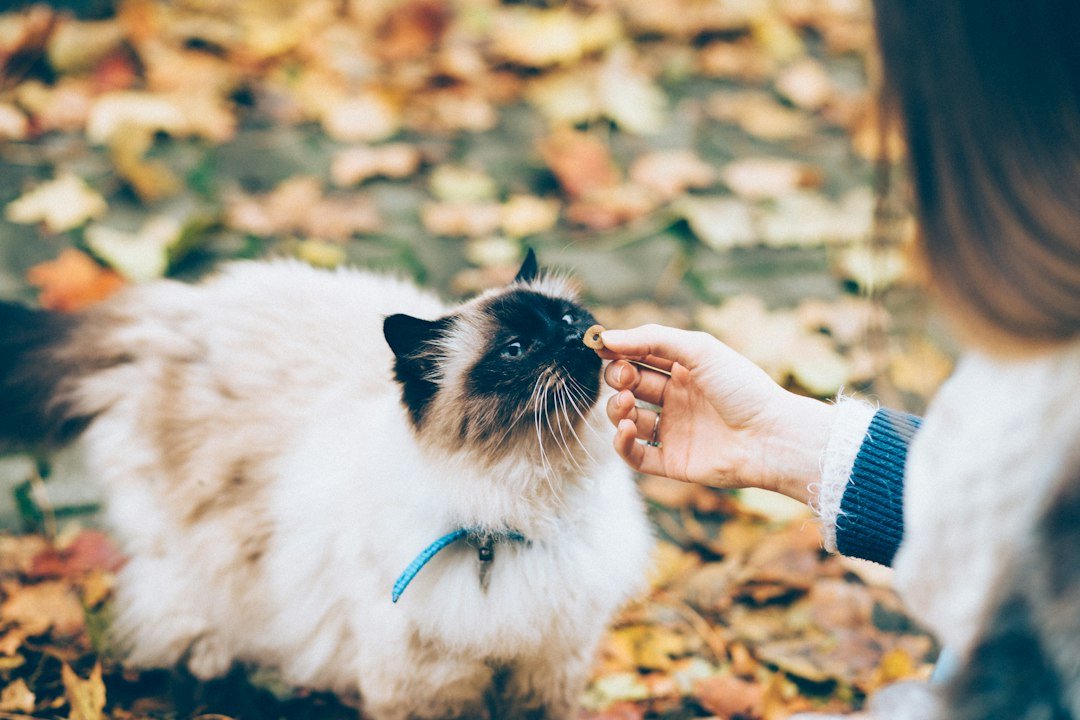
The best cat treats for training make a familiar moment easier: your cat has finally stepped into the carrier, touched the scratching post, or come when called, and you need a reward before they lose interest. For most cats, the best cat treats for training are tiny, soft or easily breakable, and finished in seconds. Speed matters. A treat that needs crunching or carries your cat away to a corner interrupts the lesson.
For picky cats, treat value matters more than a fancy package or a long ingredient list. Choose a few different textures and proteins, then test them during a quiet moment before using them for carrier practice or nail-trim sessions. Keep portions tiny. Training can involve many repetitions, so even a favorite treat needs to fit into your cat’s usual food intake.
What makes the best cat treats for training
A useful training treat has four basic qualities: your cat wants it, you can give it quickly, it is small enough for repeated rewards, and it does not upset their normal eating routine. The right choice is individual. One cat may work eagerly for a crunchy chicken treat, while another ignores it but will lick a little meat puree from a spoon.
Size comes first. Look for treats that are pea-sized or smaller, or that can be snapped into several pieces without crumbling everywhere. A reward should take about one or two seconds to eat. Tiny pieces let you reward each correct step, rather than saving all the value for the end of a difficult task.
Smell can help picky cats. Cats often decide whether food is appealing through scent before they taste it. Fish, poultry, liver, and meat-based purees tend to have stronger aromas than mild dry biscuits. Open the package first. If the smell is barely noticeable to you, it may still appeal to your cat, but a stronger-smelling option can be useful when distractions are high.
Texture changes the job. Crunchy treats are tidy and convenient for simple daily cues such as coming inside or hopping onto a mat. Soft treats are often easier to divide. Lickable treats can be especially useful for handling work because a cat can keep licking while you gently touch a paw or briefly brush their side.
Calories set the limit. Check the feeding guide and calorie statement on the package, especially if you plan several short sessions a day. Many general feline nutrition guidelines use treats as a small part of daily calories, often no more than about 10 percent, but your cat’s needs depend on body size, regular food, activity, and health history. Ask a veterinarian for individual feeding guidance if weight is a concern.
Good treat types for picky cats
There is no single winner for every selective eater. A small trial of different formats usually gives you better information than buying a large tub of one product. Start simple. Offer each option at a neutral time, not when your cat is already worried about the carrier or clippers.
- Soft meat treats: These are easy to cut into very small rewards and are often useful for quick repetitions. Check whether the pieces stay soft after opening, since some become dry or hard unless the bag is sealed well.
- Lickable puree treats: These work well with a spoon, a squeeze tube, or a small dish. They can keep a cat in one spot briefly, though they are less convenient for fast recall practice and can get messy.
- Freeze-dried single-protein treats: Chicken, salmon, turkey, and similar options may suit cats that prefer a straightforward meat smell and texture. Some pieces are large or crumbly, so test whether they break cleanly.
- Crunchy treats with soft centers: These can be appealing and easy to carry in a pocket or treat pouch. They are usually better for simple rewards than for close handling, because chewing takes longer.
- Regular kibble or measured wet food: If your cat is highly food-motivated, part of the normal daily ration can work as a reward. This is practical. It may not be valuable enough for harder tasks.
Commercial products can make training convenient, but label details matter more than the front-of-pack claims. When researching options, compare the calorie information, primary ingredients, texture, storage directions, and recommended serving amount on the manufacturer page or current package label. Formulas change. Verify the label before reordering, particularly if your cat has known food sensitivities.
How to choose without wasting money
Buy the smallest available package when you are testing a new treat. Picky cats can reject a food after one enthusiastic first try, and a large bag may go stale before you know whether it fits your training routine. Start with two formats. For example, choose one soft bite and one lickable option with different main proteins.
Read the ingredient list with a practical goal in mind. If your cat has previously done well with chicken-based food, a chicken treat is a sensible first test. If they routinely walk away from poultry, try a fish or turkey option instead. Do not introduce several new foods at once. If your cat develops digestive upset or refuses regular meals, stop the new item and contact a veterinarian for advice.
Think about where training happens. Dry treats are easier for hallway recalls, puzzle toys, and quick practice before meals. A puree works better on a towel during brushing or beside an open carrier, where slow licking can build a calmer association. Use a washable surface. Puree on carpet is not fun.
Packaging also affects real value. Resealable pouches help soft treats stay usable, while tubes are portable but may cost more per serving than a bag of bite-sized treats. Prices vary by region. Compare cost per ounce or gram only after checking how many usable training pieces you can make from the package.
A simple way to test treat value
Use a low-pressure test before relying on any product for a harder behavior. Put your cat in a familiar room, offer one tiny piece, then wait a few seconds before offering another. Watch the response. A treat has higher training value when your cat finishes it promptly and looks ready for the next piece.
- Offer a tiny sample when your cat is relaxed and mildly hungry, such as before a usual meal.
- Try three rewards of the same treat, spaced a few seconds apart.
- Notice whether your cat eats each piece promptly, sniffs and leaves it, chews slowly, or walks away after the first one.
- Repeat on another day with a different texture or protein.
- Save the strongest response for challenging tasks, such as carrier training or cooperative handling.
Here is a practical example. If a treat contains about two calories per piece and you use 12 pieces in a session, that is roughly 24 treat calories before dinner. Break each piece into halves or quarters if possible. Smaller rewards often keep the session moving without turning training into a second meal.
Use treats without creating frustration
Reward the exact behavior you want as soon as it happens. If your cat steps one paw into the carrier, give the treat while that paw is inside, rather than waiting until they walk back out. Timing is everything. The reward tells your cat which action earned it.
Keep early sessions short and easy. For a picky cat, two successful repetitions can be better than ten attempts after interest has faded. End while your cat still wants more. That leaves the treat and the exercise with a better association next time.
Do not use food to push a fearful cat closer to something scary than they are ready to approach. A treat placed near a carrier can be helpful if the cat chooses to move toward it. Back up if they freeze, retreat, or refuse a normally loved reward. The task is too difficult at that distance or pace.
Rotate treats carefully rather than constantly. Keeping one high-value option for challenging work can preserve its appeal, while ordinary kibble or a lower-value treat handles easy cues. This saves the special reward. It also helps you notice what your cat genuinely prefers.
Frequently asked questions
How many treats can I use in one training session?
Use as many tiny rewards as needed to keep the lesson clear, then account for those calories in the day’s food plan. Keep pieces very small. Several short sessions with a few rewards each are often easier to manage than one long session with many full-sized treats.
What if my picky cat ignores every treat?
Try training shortly before a scheduled meal, test a different texture, and reduce distractions. Warm wet food slightly so it smells stronger, but make sure it is only mildly warm before offering it. Some cats value play or access to a favorite spot more than food. Watch what your cat chooses.
Are lickable treats good for carrier training?
They can be useful because licking takes time and may encourage a cat to remain near or inside an open carrier voluntarily. Use a small amount. Start with the carrier door open and do not shut it during the first food-only sessions unless your cat is already comfortable.
Can I use human food as a cat training treat?
Plain, fully cooked meat without seasoning may be acceptable for some cats in very small amounts, but commercial cat treats are usually easier to portion and store. Avoid foods with onion, garlic, alcohol, chocolate, xylitol, cooked bones, or heavy seasoning. When unsure, choose a treat made for cats or ask a veterinarian.
Related posts
This post is for general informational purposes only and is not veterinary advice. Every cat is different — if you have concerns about your cat’s health or behavior, please consult a qualified veterinarian.